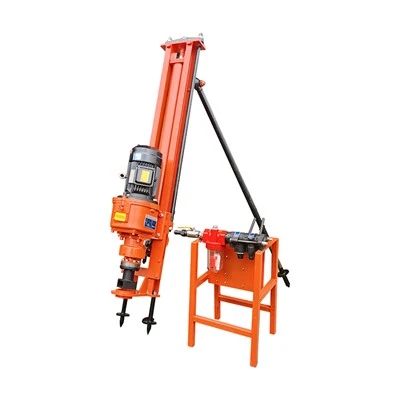
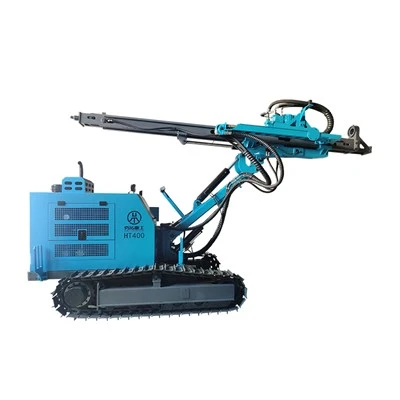
As a DTH hammer supplier, I've seen firsthand the ins and outs of using these tools in oil and gas exploration. DTH hammers are pretty cool pieces of equipment, but they come with their fair share of challenges. Let's dig into what those challenges are and how they can impact your exploration projects.
1. Geological Variability
One of the biggest headaches when using DTH hammers in oil and gas exploration is dealing with different types of rock formations. The ground isn't just one big, uniform block; it's made up of all sorts of rocks, each with its own properties.
For example, hard rocks like granite can really put a strain on DTH hammers. These rocks are tough to break through, and the constant impact can cause excessive wear and tear on the hammer components. The piston, bit, and other parts might start to show signs of damage much faster than they would in softer rock. This means more frequent replacements and maintenance, which can add up in terms of time and money.
On the other hand, soft or fractured rocks present their own set of problems. In these formations, the DTH hammer might not be able to generate enough impact energy to break the rock efficiently. The bit could get stuck or lose its effectiveness, leading to slower drilling progress. You might also run into issues with hole stability, as the soft rock can collapse around the drill bit, making it difficult to keep the hole open.
2. Air Supply Requirements
DTH hammers rely on compressed air to operate. The air is used to drive the piston, which in turn strikes the drill bit to break the rock. So, having a reliable and adequate air supply is crucial.
If the air pressure is too low, the DTH hammer won't function properly. It might not be able to generate enough force to break the rock, resulting in slow or ineffective drilling. You can check out our Low Pressure Down-the-hole Hammer for applications where lower air pressure is available, but even then, there are limits.
Conversely, if the air pressure is too high, it can cause problems too. Excessive pressure can lead to premature wear of the hammer components, as well as potential damage to the drill string. It can also be a safety hazard, as high-pressure air can cause blowouts or other dangerous situations.
Getting the right balance of air pressure and volume is a delicate dance. You need to consider factors like the type of rock, the size of the DTH hammer, and the depth of the well. And don't forget about the air compressor itself. It needs to be properly maintained and sized to meet the demands of the DTH hammer.
3. Temperature and Environmental Conditions
Oil and gas exploration often takes place in some pretty extreme environments. High temperatures, for example, can have a significant impact on the performance of DTH hammers. As the temperature rises, the air density decreases, which means the compressor has to work harder to maintain the same air pressure. This can lead to increased energy consumption and potential overheating of the compressor.
In addition, high temperatures can cause the lubricants in the DTH hammer to break down more quickly. Lubrication is essential for reducing friction and wear between the moving parts of the hammer. Without proper lubrication, the components can seize up or wear out prematurely.
Cold temperatures can also be a problem. In freezing conditions, the air can contain moisture, which can freeze inside the drill string and cause blockages. This can disrupt the air flow to the DTH hammer, leading to reduced performance or even complete failure.
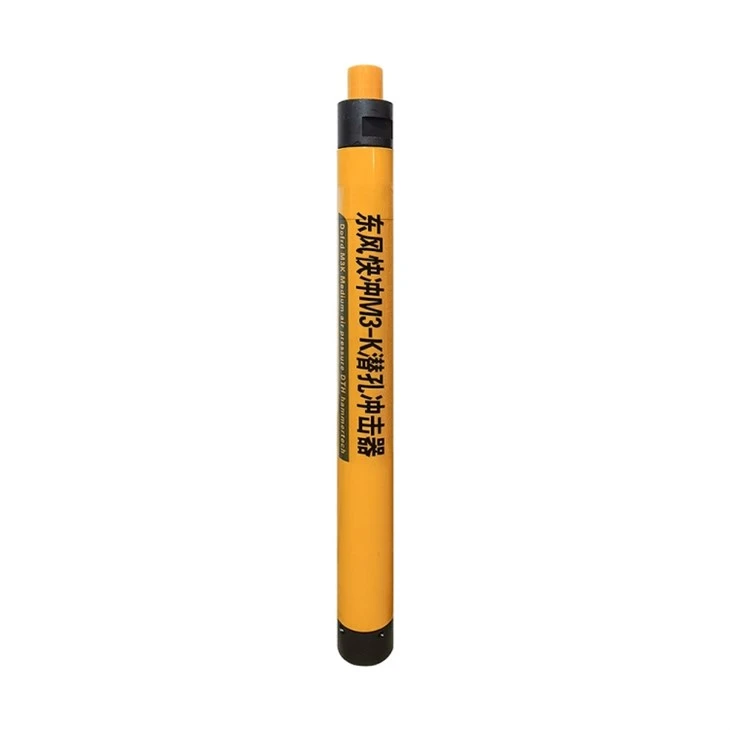
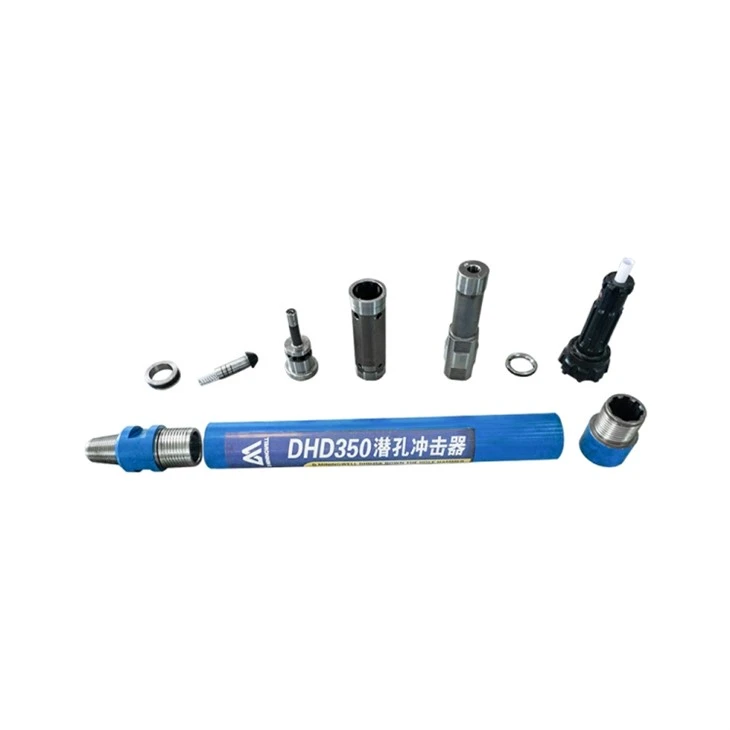
Environmental factors like dust, sand, and water can also affect the DTH hammer. Dust and sand can get into the hammer and cause abrasion, while water can corrode the components. You need to take steps to protect the DTH hammer from these elements, such as using proper filtration systems and seals.
4. Depth and Wellbore Conditions
As you drill deeper into the earth, the conditions inside the wellbore change. The pressure increases, and the temperature rises. These changes can have a significant impact on the performance of the DTH hammer.
At greater depths, the higher pressure can make it more difficult for the DTH hammer to operate. The increased pressure can counteract the impact force of the hammer, reducing its effectiveness. You might need to use a High Pressure DTH Hammer to overcome these challenges.
Wellbore conditions can also be a factor. If the wellbore is crooked or has irregularities, it can cause the DTH hammer to wear unevenly. The bit might not be able to strike the rock straight on, leading to inefficient drilling and increased wear on the hammer components.
5. Maintenance and Repair
Like any piece of equipment, DTH hammers require regular maintenance and repair. This is especially important in oil and gas exploration, where the hammers are subjected to harsh conditions.
Regular maintenance includes tasks like cleaning, lubricating, and inspecting the hammer components. You need to check for signs of wear, damage, or corrosion, and replace any parts that are worn out. This can be a time-consuming and labor-intensive process, but it's essential for keeping the DTH hammer in good working condition.
When a DTH hammer breaks down, you need to be able to repair it quickly. This requires having access to spare parts and trained technicians. If you don't have the right parts on hand, you might have to wait for them to be shipped, which can cause delays in your drilling operations.
6. Cost Considerations
Using DTH hammers in oil and gas exploration can be expensive. There are the upfront costs of purchasing the hammer and the associated equipment, such as the air compressor and drill string. Then there are the ongoing costs of maintenance, repair, and replacement parts.
In addition, the inefficiencies caused by the challenges we've discussed can also add to the cost. For example, if the DTH hammer is not performing well due to geological variability or air supply issues, it can take longer to drill the well. This means more time and money spent on the drilling operation.
However, it's important to note that the cost of using DTH hammers needs to be weighed against the benefits. DTH hammers can offer faster drilling speeds and better hole quality compared to other drilling methods in certain situations. So, you need to carefully evaluate the cost-benefit ratio for your specific exploration project.
Conclusion
Using DTH hammers in oil and gas exploration is definitely not without its challenges. From geological variability to air supply requirements, temperature and environmental conditions, depth and wellbore conditions, maintenance and repair, and cost considerations, there are a lot of factors to take into account.
But don't let these challenges scare you off. At our company, we're committed to providing high-quality DTH hammers and support to help you overcome these obstacles. We offer a range of DTH hammers, including Low Pressure Down-the-hole Hammer, medium air pressure dth hammer, and High Pressure DTH Hammer, to meet your specific needs.
If you're interested in learning more about our DTH hammers or have any questions about using them in your oil and gas exploration projects, we'd love to hear from you. Feel free to reach out to us to discuss your requirements and explore how we can help you achieve your drilling goals.
References
- "Drilling Engineering Handbook" by John P. Gates
- "Oil and Gas Well Drilling Technology" by Ahmed M. Gad