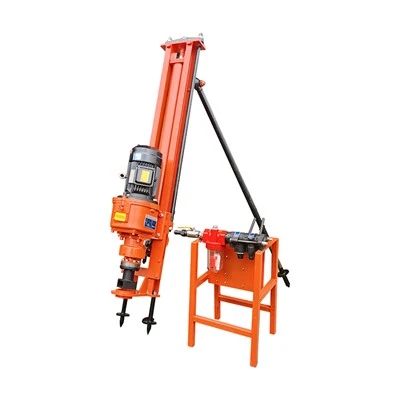
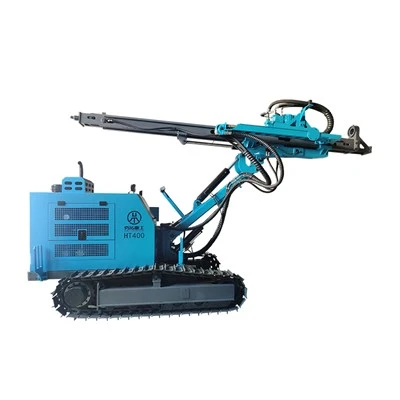
As a supplier in the water well drilling rig truck industry, I've witnessed firsthand the importance and evolution of data monitoring systems in these remarkable machines. In today's modern world, data has become the lifeblood of any efficient operation, and water well drilling rig trucks are no exception. This blog post aims to explore the data monitoring system in a water well drilling rig truck, highlighting its components, functions, and benefits.
Components of the Data Monitoring System
The data monitoring system in a water well drilling rig truck is a comprehensive setup that consists of several key components. These components work together seamlessly to collect, analyze, and present data related to the drilling operation.
Sensors
Sensors are the front - line soldiers of the data monitoring system. They are strategically placed throughout the drilling rig truck to measure various physical parameters. For example, pressure sensors are used to monitor the hydraulic pressure in the drilling pump. This is crucial because the right hydraulic pressure ensures the proper operation of the drill bit, preventing it from overloading or underperforming.
Temperature sensors are another important type. They keep an eye on the temperature of critical components such as the engine, motor, and hydraulic fluid. Excessive temperature can lead to component failure, so continuous monitoring allows for timely intervention to prevent breakdowns.
Depth sensors are essential for determining the depth of the well being drilled. Accurate depth measurement is necessary for ensuring that the well reaches the desired water - bearing formation. These sensors use different technologies, such as ultrasonic or laser, to provide precise readings.
Data Acquisition Unit (DAU)
The DAU serves as the central hub for collecting data from all the sensors. It is designed to interface with a wide range of sensor types, converting the analog signals from the sensors into digital data that can be processed further. The DAU also has the function of filtering and pre - processing the data to remove any noise or outliers, ensuring that the data sent to the next stage of the system is accurate and reliable.
On - board Computer
The on - board computer is the brain of the data monitoring system. It receives the processed data from the DAU and performs in - depth analysis. This computer is equipped with specialized software that can interpret the data and generate meaningful insights. For example, it can use historical data to predict when a component is likely to fail, allowing for proactive maintenance. It can also calculate the efficiency of the drilling operation based on data such as the rate of penetration, the amount of energy consumed, and the quantity of drilling fluid used.
Display Terminal
The display terminal is the interface through which the operator can access and view the data. It provides a user - friendly graphical display of all the relevant information, including real - time sensor readings, historical trends, and system alerts. The display can be customized according to the operator's preferences, allowing them to focus on the most important data for the current drilling operation.
Functions of the Data Monitoring System
The data monitoring system in a water well drilling rig truck serves several important functions that contribute to the overall efficiency and safety of the drilling operation.
Operational Efficiency
By providing real - time data on various parameters, the system allows the operator to optimize the drilling process. For example, the operator can adjust the speed of the drill bit based on the rock hardness detected by the sensors. This ensures that the drill bit is used most effectively, reducing wear and tear and increasing the rate of penetration.
The system also helps in managing the use of resources such as drilling fluid and fuel. By monitoring the consumption rate, the operator can make adjustments to minimize waste and save costs.
Safety Enhancement
Safety is of utmost importance in the drilling industry. The data monitoring system plays a crucial role in ensuring the safety of the crew and the equipment. For example, if the temperature of the engine exceeds a safe limit, the system will trigger an immediate alarm, notifying the operator to take corrective action. This can prevent engine damage and potential fires.
The system also monitors the structural integrity of the rig. Sensors can detect any abnormal vibrations or stresses in the rig components, allowing for early detection of potential failures. This gives the operator time to stop the operation and make necessary repairs before a catastrophic accident occurs.
Maintenance Planning
With the data collected by the monitoring system, maintenance can be planned more effectively. Instead of following a fixed maintenance schedule, which may be either too frequent or not frequent enough, the system can base maintenance on the actual condition of the components. For example, if the data shows that a particular bearing is experiencing increased friction, the operator can schedule maintenance for that bearing before it fails. This reduces downtime and extends the lifespan of the equipment.
Benefits of the Data Monitoring System
The implementation of a data monitoring system in a water well drilling rig truck offers numerous benefits to both the drillers and the end - users.
Improved Productivity
The ability to optimize the drilling process based on real - time data leads to significant productivity gains. Drillers can complete more wells in less time, increasing their overall output. The system also helps in reducing the number of errors and re - work, further contributing to improved productivity.
Cost Savings
As mentioned earlier, the system helps in reducing resource consumption and minimizing equipment downtime. This translates into substantial cost savings. By avoiding unnecessary maintenance and repairs, drillers can save money on labor and replacement parts. Additionally, the efficient use of fuel and drilling fluid reduces operating costs.
Enhanced Reputation
A water well drilling rig truck equipped with a reliable data monitoring system reflects positively on the driller's reputation. End - users are more likely to trust a drilling company that can provide accurate and detailed information about the drilling process. This can lead to more business opportunities and long - term customer relationships.
Our Offerings
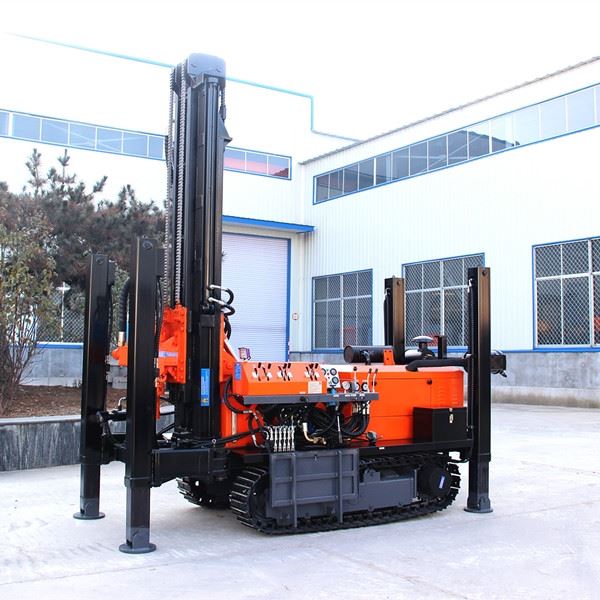
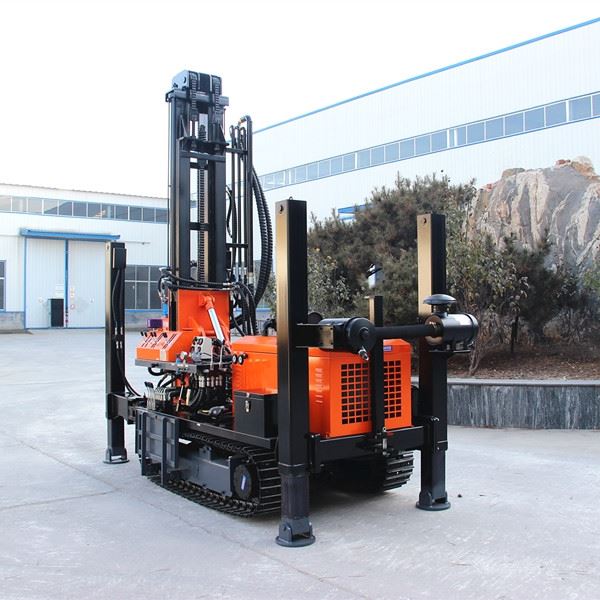
At our company, we understand the significance of a robust data monitoring system. That's why our water well drilling rig trucks, such as the SM300 Hydraulic Crawler Water Well Drilling Rig and the SM280 Hydraulic Crawler Water Well Drilling Rig, are equipped with state - of - the - art data monitoring systems. These systems are designed to provide accurate and reliable data, ensuring the highest level of efficiency and safety in the drilling operation.
We also offer the Crawler Water Well Drilling Rig, which comes with a comprehensive data monitoring solution. Our rigs are built to last and are backed by our team of experts who can provide support and training on the data monitoring system.
Contact Us for Procurement
If you are interested in purchasing a water well drilling rig truck with a top - notch data monitoring system, we invite you to contact us. Our team of sales representatives is ready to answer all your questions and provide you with detailed information about our products. We can also arrange a demonstration so that you can see the data monitoring system in action. Don't miss out on the opportunity to improve your drilling operations with our advanced technology.
References
- Drilling Equipment Handbook: A comprehensive guide on the latest technologies and components used in water well drilling rigs.
- Journal of Drilling Technology: Research articles on the application of data monitoring systems in the drilling industry.