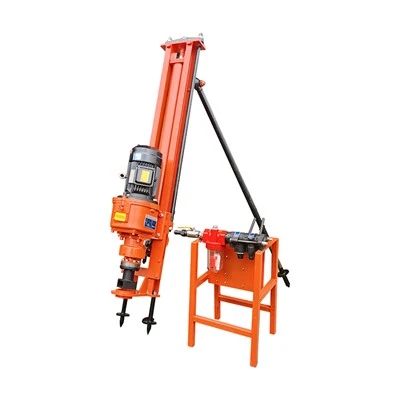
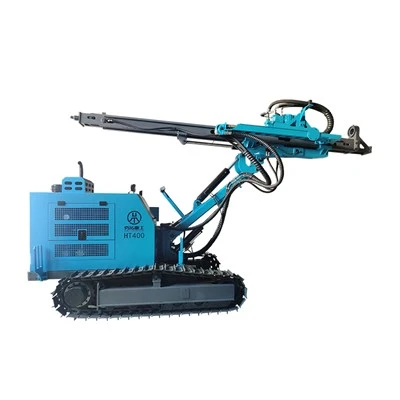
Air consumption is a critical parameter when it comes to pneumatic rock drilling rigs. As a supplier of pneumatic rock drilling rigs, understanding and communicating the air consumption of our products is essential for our customers to make informed decisions. This blog post will delve into what air consumption means for a pneumatic rock drilling rig, the factors that influence it, and why it matters in practical applications.
What is Air Consumption in a Pneumatic Rock Drilling Rig?
Air consumption in a pneumatic rock drilling rig refers to the volume of compressed air that the rig uses per unit of time, typically measured in cubic feet per minute (CFM) or cubic meters per minute (m³/min). The compressed air serves multiple functions within the rig. It powers the hammer mechanism that generates the impact force necessary to break through rock, and it also helps to flush out the drill cuttings from the borehole.

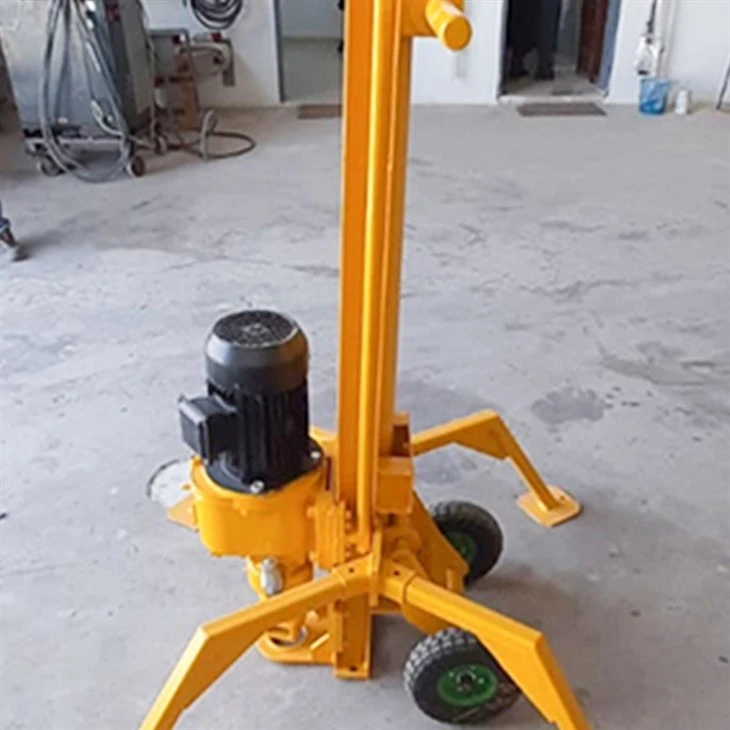
The air consumption rate is a key specification that determines the size and capacity of the air compressor required to operate the drilling rig effectively. If the air compressor does not provide enough air volume at the required pressure, the drilling performance will be severely affected. The hammer may not operate at its optimal frequency, resulting in slower drilling speeds and reduced penetration rates. On the other hand, using an oversized air compressor can lead to unnecessary energy consumption and increased operating costs.
Factors Influencing Air Consumption
Several factors can influence the air consumption of a pneumatic rock drilling rig. Understanding these factors can help customers select the right rig for their specific applications and optimize the performance of their drilling operations.
Drill Bit Size
The size of the drill bit has a significant impact on air consumption. Larger drill bits require more air to flush out the larger volume of drill cuttings generated during the drilling process. Additionally, the impact force needed to break through the rock increases with the drill bit size, which also leads to higher air consumption by the hammer mechanism. For example, a rig equipped with a 4-inch drill bit will generally consume more air than one with a 2-inch drill bit.
Rock Hardness
The hardness of the rock being drilled is another crucial factor. Harder rocks require more energy to break, which means the hammer mechanism needs to operate at a higher frequency and with greater force. This, in turn, increases the air consumption of the rig. For instance, drilling through granite, which is a very hard rock, will result in higher air consumption compared to drilling through limestone, which is relatively softer.
Drilling Depth
As the drilling depth increases, the pressure required to flush the drill cuttings out of the borehole also increases. This means that more air is needed to maintain an effective flushing action. Additionally, the longer the borehole, the more resistance the compressed air encounters as it travels through the drill string. This can further increase the air consumption of the rig.
Rig Design and Efficiency
The design and efficiency of the pneumatic rock drilling rig itself play a significant role in determining its air consumption. Modern rigs are often designed with advanced technologies and features that improve their energy efficiency and reduce air consumption. For example, some rigs use variable displacement hammers that can adjust the air consumption based on the drilling conditions. Others incorporate improved air distribution systems that ensure more efficient use of the compressed air.
Why Air Consumption Matters
Understanding the air consumption of a pneumatic rock drilling rig is crucial for several reasons.
Energy Efficiency
Air compressors are one of the most energy-intensive components in a pneumatic drilling system. By selecting a rig with lower air consumption, customers can reduce their energy costs significantly. This not only helps to lower the operating expenses of the drilling operation but also contributes to environmental sustainability by reducing energy consumption and greenhouse gas emissions.
Equipment Selection
Knowing the air consumption requirements of a rig is essential for selecting the right air compressor. An undersized air compressor will not be able to provide enough air to operate the rig effectively, while an oversized compressor will waste energy and increase costs. By matching the air compressor capacity to the air consumption of the rig, customers can ensure optimal performance and efficiency.
Drilling Performance
Proper air supply is crucial for maintaining the drilling performance of a pneumatic rock drilling rig. Insufficient air supply can lead to reduced drilling speeds, lower penetration rates, and increased wear and tear on the drill bit and other components. On the other hand, an adequate and consistent air supply ensures smooth operation of the hammer mechanism and efficient flushing of the drill cuttings, resulting in improved drilling performance and productivity.
Our Pneumatic Rock Drilling Rigs and Air Consumption
As a supplier of pneumatic rock drilling rigs, we offer a wide range of products with different air consumption rates to meet the diverse needs of our customers. Our rigs are designed with the latest technologies and features to ensure high performance, energy efficiency, and reliability.
For example, our Hand Held Rock Drill is a compact and lightweight rig that is ideal for small-scale drilling applications. It has a relatively low air consumption rate, making it suitable for use with smaller air compressors. This rig is easy to operate and maintain, and it provides excellent drilling performance in various rock conditions.
Our small down the hole drilling rigs are designed for more demanding applications, such as drilling in hard rock formations. These rigs are equipped with powerful hammers and advanced air distribution systems to ensure efficient use of the compressed air. They have higher air consumption rates compared to the hand-held rigs but offer greater drilling depth and penetration rates.
In addition, our mini pneumatic drill is a versatile rig that can be used for a variety of drilling tasks, including geotechnical exploration, mining, and construction. It combines the advantages of a small size and low air consumption with high drilling performance.
Contact Us for More Information
If you are interested in learning more about the air consumption of our pneumatic rock drilling rigs or would like to discuss your specific drilling requirements, please contact us. Our team of experts is available to provide you with detailed technical information, product recommendations, and pricing quotes. We are committed to helping you select the right rig for your application and ensuring the success of your drilling operations.
References
- Walsh, T. J., & Fowell, R. J. (1988). Rock drilling technology. Institution of Mining and Metallurgy.
- Singh, R. N., & Goel, R. K. (2013). Engineering geology and rock mechanics: principles and practice. Elsevier.