Down the hole (DTH) drilling is a widely used technique in the mining, construction, and geotechnical industries. As a DTH drilling supplier, I am often asked about how this drilling method works. In this blog post, I'll provide a detailed explanation of the DTH drilling process, its components, advantages, and applications.
The Basics of Down the Hole Drilling
At its core, DTH drilling is a method of creating holes in rock or other hard materials. Unlike some other drilling methods, where the drilling force is applied at the surface, DTH drilling places the drilling hammer directly at the bottom of the hole. This design allows for more efficient energy transfer and better penetration rates, especially in hard and abrasive rock formations.
Components of a DTH Drilling System
A typical DTH drilling system consists of several key components:
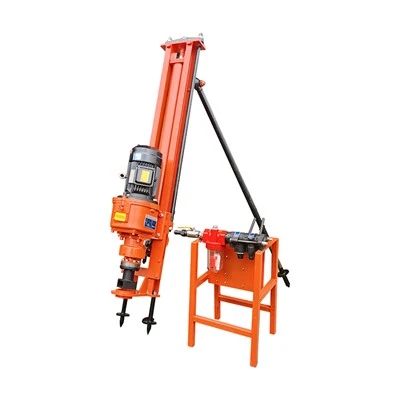
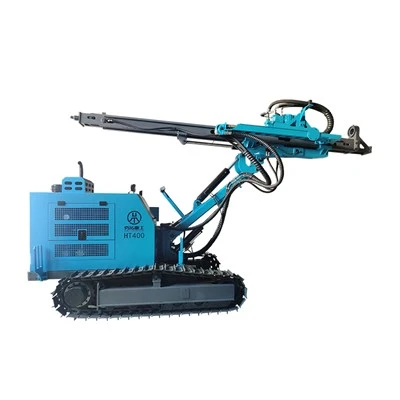
- Drill Rig: The drill rig is the platform that supports the entire drilling operation. It provides the power, mobility, and control necessary to operate the DTH hammer and drill string. There are different types of drill rigs available, including Crawler dth Drilling Rig and Crawler down the hole Drill Rig, each designed for specific applications and environments.
- DTH Hammer: The DTH hammer is the heart of the DTH drilling system. It is a pneumatic or hydraulic device that delivers a series of high - energy blows to the drill bit. The hammer is located at the bottom of the drill string and is powered by compressed air or hydraulic fluid. When the compressed air or fluid enters the hammer, it causes a piston to move back and forth, striking the drill bit with great force.
- Drill Bit: The drill bit is the cutting tool that actually breaks the rock. It is attached to the bottom of the DTH hammer and comes in various shapes and designs, depending on the type of rock being drilled and the specific requirements of the project. Common drill bit designs include button bits, which have tungsten carbide buttons on the face of the bit to provide better cutting efficiency.
- Drill String: The drill string is a series of connected drill pipes that transmit the rotational force and the compressed air or hydraulic fluid from the drill rig to the DTH hammer and drill bit. The drill string also helps to keep the hole straight and provides a pathway for the cuttings to be removed from the hole.
The DTH Drilling Process
The DTH drilling process can be divided into several steps:
- Setup: The first step is to set up the drill rig at the desired drilling location. This involves leveling the rig, positioning it over the drill hole, and connecting the necessary hoses and cables for power and air supply.
- Initial Penetration: Once the rig is set up, the drill bit is lowered to the surface of the rock. The DTH hammer is then activated, and the drill bit begins to break the rock. As the bit penetrates the rock, the drill string is slowly advanced into the hole.
- Drilling: During the drilling process, the DTH hammer continues to deliver a series of high - energy blows to the drill bit. At the same time, the drill string rotates, allowing the drill bit to cut through the rock in a circular motion. Compressed air or hydraulic fluid is continuously pumped down the drill string to power the DTH hammer and to remove the cuttings from the hole. The cuttings are carried to the surface by the air or fluid flow and are collected in a cuttings collection system.
- Hole Depth and Diameter Control: The depth and diameter of the hole are carefully controlled during the drilling process. The drill rig is equipped with sensors and controls that allow the operator to monitor and adjust the drilling parameters, such as the rotation speed, feed rate, and air pressure. This ensures that the hole is drilled to the required specifications.
- Completion: Once the desired hole depth is reached, the drilling process is stopped. The drill string and the DTH hammer are then removed from the hole, and the hole is ready for further processing, such as blasting in mining applications or installing a foundation in construction projects.
Advantages of DTH Drilling
DTH drilling offers several advantages over other drilling methods:
- High Penetration Rates: The direct placement of the DTH hammer at the bottom of the hole allows for more efficient energy transfer, resulting in higher penetration rates, especially in hard and abrasive rock formations.
- Precision: DTH drilling can produce holes with high precision in terms of depth, diameter, and straightness. This is important in applications where accurate hole placement is critical, such as in mining for ore extraction or in construction for foundation drilling.
- Versatility: DTH drilling can be used in a wide range of applications, including mining, construction, geotechnical investigations, and water well drilling. It can also be used in different types of rock formations, from soft sedimentary rocks to hard igneous rocks.
- Cost - Effectiveness: Despite the initial investment in the DTH drilling equipment, the high penetration rates and the ability to drill in difficult rock conditions can result in lower overall drilling costs in the long run.
Applications of DTH Drilling
DTH drilling is used in a variety of industries and applications:
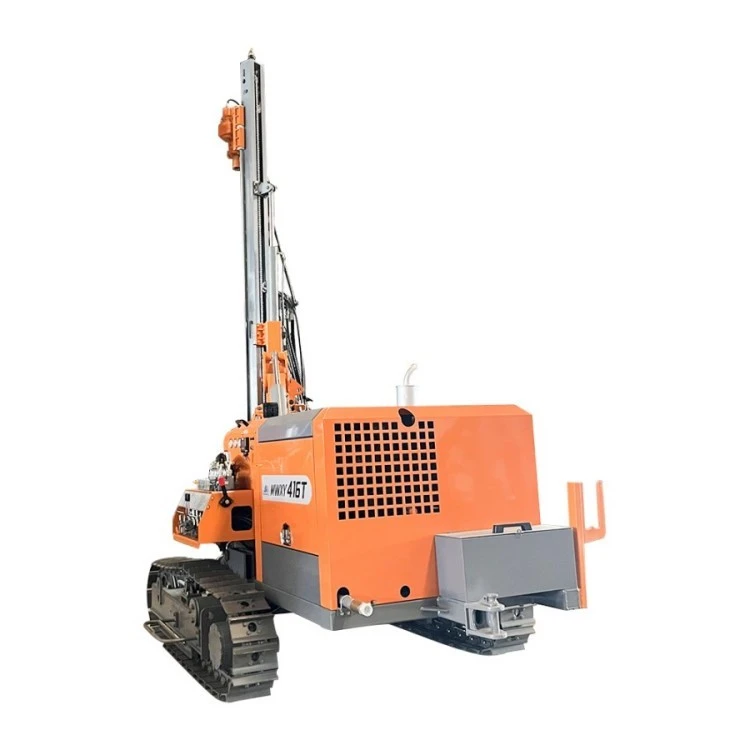
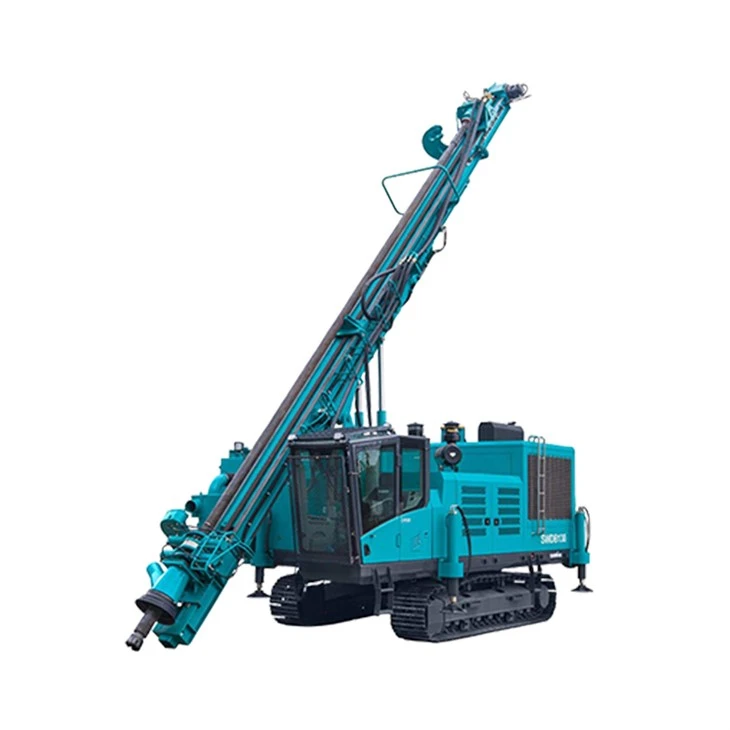
- Mining: In the mining industry, DTH drilling is commonly used for blast hole drilling. Blast holes are drilled into the rock to place explosives for rock fragmentation. The high penetration rates and precision of DTH drilling make it an ideal choice for this application.
- Construction: In construction, DTH drilling is used for foundation drilling, such as for building foundations, bridges, and dams. It can also be used for soil investigation and geotechnical testing to determine the properties of the soil and rock beneath the construction site.
- Geotechnical Investigations: Geotechnical engineers use DTH drilling to collect rock and soil samples for analysis. These samples can provide valuable information about the geological conditions of an area, which is important for engineering design and construction planning.
- Water Well Drilling: DTH drilling can also be used for water well drilling. The ability to drill deep and straight holes in hard rock formations makes it a suitable method for accessing groundwater sources.
Comparison with Other Drilling Methods
While DTH drilling has many advantages, it is important to compare it with other drilling methods, such as top hammer surface drill rigs. top hammer surface drill rig operate by applying the drilling force at the surface of the drill string. They are generally more suitable for shallower holes and softer rock formations. In contrast, DTH drilling is better suited for deeper holes and harder rock, where its high - energy transfer and penetration rates are more effective.
Conclusion
Down the hole drilling is a powerful and versatile drilling method that offers many advantages in a variety of industries. Its ability to drill deep, straight holes in hard and abrasive rock formations makes it an essential tool for mining, construction, and geotechnical applications. As a DTH drilling supplier, we are committed to providing high - quality DTH drilling equipment and solutions to meet the diverse needs of our customers.
If you are interested in learning more about DTH drilling or are looking to purchase DTH drilling equipment, we encourage you to contact us for a detailed discussion. Our team of experts can provide you with the information and support you need to make the right decision for your project.
References
- "Drilling Engineering Handbook" by John P. Gunnerson
- "Mining Engineering: Principles and Practice" by Hartman, H. L.
- Industry reports on drilling technologies and applications