Hey there! I'm a supplier of rock drilling equipment, and I've been in this industry for quite some time. One of the hot topics these days is how to improve the automation level of rock drilling equipment. In this blog, I'm gonna share some insights based on my experience and knowledge.
First off, let's talk about why we even need to improve the automation level. Well, there are several good reasons. For starters, automation can significantly boost efficiency. Manual rock drilling is a labor - intensive job. Workers have to operate the equipment constantly, which is not only tiring but also slow. With automation, the equipment can work continuously without getting tired, increasing the drilling speed and the amount of work done in a given time.
Another major advantage is safety. Rock drilling sites can be dangerous places. There are risks of rockfalls, dust inhalation, and equipment malfunctions. By automating the process, we can reduce the number of workers exposed to these hazards. They can operate the equipment from a safe distance, using remote - control systems or automated programs.
Now, let's dive into some practical ways to improve the automation level.
Sensor Technology
One of the key elements in automation is sensor technology. Sensors can collect a vast amount of data about the drilling process. For example, pressure sensors can monitor the pressure inside the drill bit. This helps to ensure that the drill is applying the right amount of force. If the pressure is too low, the drilling may be ineffective; if it's too high, it can damage the drill bit.
Temperature sensors are also important. Drilling generates a lot of heat, and excessive heat can cause the drill bit to wear out quickly or even break. By monitoring the temperature, the system can adjust the drilling speed or apply cooling measures automatically.
There are also sensors for detecting the position and orientation of the drill. This is crucial for accurate drilling, especially in complex geological conditions. For instance, in underground mining, the drill needs to follow a specific path to reach the ore body. Position sensors can help the equipment stay on track.
Programmable Logic Controllers (PLCs)
PLCs are like the brains of the automated rock drilling equipment. They can store and execute pre - programmed instructions. You can set up a PLC to control the start and stop of the drill, adjust the drilling speed, and change the direction of the drill bit.
For example, if you know the geological structure of a particular area, you can program the PLC to adjust the drilling parameters accordingly. In a soft rock layer, the drill can operate at a higher speed, while in a hard rock layer, it can slow down and apply more pressure.
PLCs are also very flexible. You can easily modify the programs as needed, based on new data or changing drilling requirements.
Remote - Control Systems
Remote - control systems are a great way to add an extra layer of automation. With a remote - control system, an operator can control the rock drilling equipment from a safe location, such as an office or a control room.
This is especially useful in situations where the drilling site is difficult to access or dangerous. For example, in a high - altitude mountain drilling project or a drilling operation near a volcanic area. The operator can use a joystick or a computer interface to control the movement of the drill, start and stop the equipment, and adjust the drilling parameters.
Integration of Different Equipment
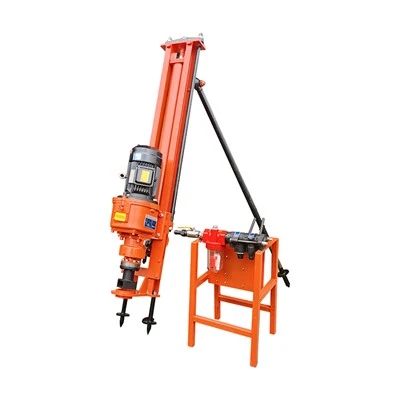
To achieve a high level of automation, it's important to integrate different types of rock drilling equipment. For example, you can integrate a Hand Held Rock Drill with a larger drilling rig. The hand - held drill can be used for initial exploration or for drilling in hard - to - reach areas, while the larger rig can be used for the main drilling operation.
Integrating equipment also means making sure that they can communicate with each other. For example, the data collected by the sensors on one piece of equipment can be shared with other equipment in the system. This allows for more coordinated and efficient operation.
Machine Learning and Artificial Intelligence
Machine learning and artificial intelligence (AI) are revolutionizing the rock drilling industry. These technologies can analyze large amounts of data collected by the sensors and make intelligent decisions.
For example, machine learning algorithms can analyze the data from previous drilling operations to predict the geological conditions of a new drilling site. Based on these predictions, the system can automatically adjust the drilling parameters to optimize the drilling process.
AI can also be used for equipment maintenance. By analyzing the data from the sensors, the system can detect early signs of equipment failure and schedule maintenance before a breakdown occurs. This reduces downtime and saves costs.
Training and Support
Improving the automation level of rock drilling equipment also requires proper training and support for the operators. They need to be familiar with the new technologies and how to use them effectively.
As a supplier, we offer training programs for our customers. These programs cover everything from basic operation of the automated equipment to advanced programming of the PLCs. We also provide ongoing technical support to help our customers solve any problems they may encounter.
Case Studies
Let me share a couple of case studies to illustrate the benefits of improving the automation level.
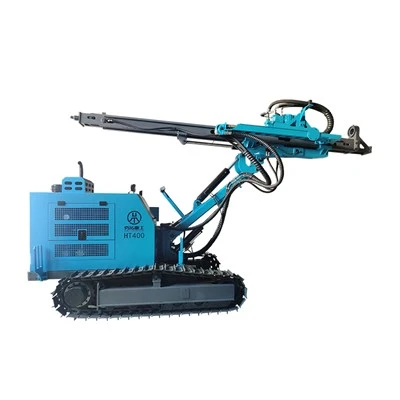
In a large - scale open - pit mining project, a mining company decided to upgrade their Integrated Open - pit Down - the - hole Drill Rig with automation features. They installed sensors to monitor the drilling parameters and a PLC to control the operation.


After the upgrade, they noticed a significant increase in efficiency. The drilling speed increased by 30%, and the number of drill bit replacements decreased by 20%. The safety of the workers also improved, as they could operate the equipment from a control room.
Another case is a small - scale construction project that used a mini pneumatic drill with a simple remote - control system. The operator could control the drill from a safe distance, which reduced the risk of injury. The project was completed ahead of schedule, thanks to the improved efficiency of the automated operation.
Conclusion
In conclusion, improving the automation level of rock drilling equipment is not only possible but also highly beneficial. By using sensor technology, PLCs, remote - control systems, and integrating different equipment, we can achieve higher efficiency, better safety, and lower costs.
Machine learning and AI are also opening up new possibilities for further optimization. As a rock drilling equipment supplier, we're committed to helping our customers improve the automation level of their equipment.
If you're interested in upgrading your rock drilling equipment or learning more about our automation solutions, please don't hesitate to contact us. We can have a detailed discussion about your specific needs and come up with a customized solution for you.
References
- Smith, J. (2020). "Advances in Rock Drilling Automation". Journal of Mining Technology.
- Johnson, A. (2021). "Sensor Applications in Rock Drilling Equipment". Industrial Automation Magazine.
- Brown, C. (2022). "Remote - Control Systems for Rock Drilling". Construction Equipment Review.