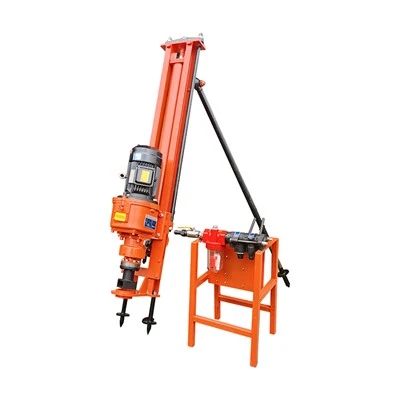
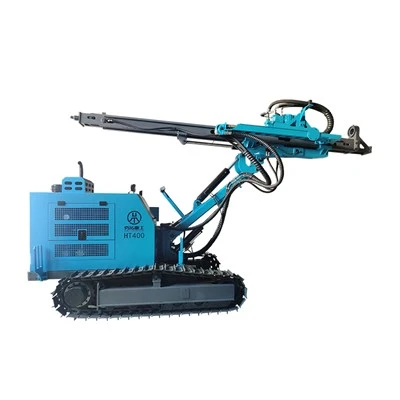
As a seasoned supplier of core drilling rigs, I've witnessed firsthand the critical role these machines play in various industries, from mining and construction to geological exploration. In this blog post, I'll delve into the specifications of a core drilling rig, shedding light on the key features that make these machines indispensable for extracting valuable core samples from the earth's subsurface.
Drilling Depth and Capacity
One of the primary specifications of a core drilling rig is its drilling depth and capacity. This refers to the maximum depth to which the rig can drill and the diameter of the core samples it can extract. Different projects require different drilling depths and core diameters, so it's essential to choose a rig that meets the specific requirements of your project.
For shallow drilling projects, such as environmental sampling or geotechnical investigations, a rig with a drilling depth of up to 100 meters may be sufficient. These rigs are typically compact and portable, making them easy to transport and set up on-site. On the other hand, deep drilling projects, such as mineral exploration or oil and gas drilling, may require a rig with a drilling depth of several hundred meters or more. These rigs are larger and more complex, often requiring specialized equipment and experienced operators.
In addition to drilling depth, the core diameter is another important consideration. Core samples are typically cylindrical in shape, and the diameter of the core can vary depending on the application. For example, in geological exploration, larger core diameters are often preferred as they provide more material for analysis. However, larger core diameters also require more powerful drilling equipment and may be more difficult to extract.
Power and Performance
The power and performance of a core drilling rig are crucial factors that determine its efficiency and effectiveness. The power of a rig is typically measured in horsepower (HP) or kilowatts (kW) and refers to the amount of energy required to operate the drilling equipment. A higher power rating generally means that the rig can drill faster and more efficiently, especially in hard rock formations.
In addition to power, the performance of a rig is also affected by its torque and rotational speed. Torque is the force that causes the drill bit to rotate, and a higher torque rating allows the rig to drill through tougher materials. Rotational speed, on the other hand, refers to the number of revolutions per minute (RPM) of the drill bit. A higher rotational speed can increase the drilling efficiency, but it also requires more power and may cause excessive wear on the drill bit.
Another important performance specification is the pullback force of the rig. This refers to the maximum force that the rig can apply to pull the drill string out of the hole. A higher pullback force is essential for deep drilling projects, as it allows the rig to overcome the friction and weight of the drill string.
Mobility and Portability
The mobility and portability of a core drilling rig are important considerations, especially for projects that require the rig to be moved frequently between different locations. Some rigs are designed to be mounted on trucks or trailers, making them easy to transport to and from the job site. These rigs are typically referred to as mobile drilling rigs and are ideal for projects that require a high degree of mobility.
Other rigs are designed to be portable and can be easily disassembled and transported by hand or using a small vehicle. These rigs are typically referred to as portable drilling rigs and are ideal for projects that require a high degree of flexibility and mobility.
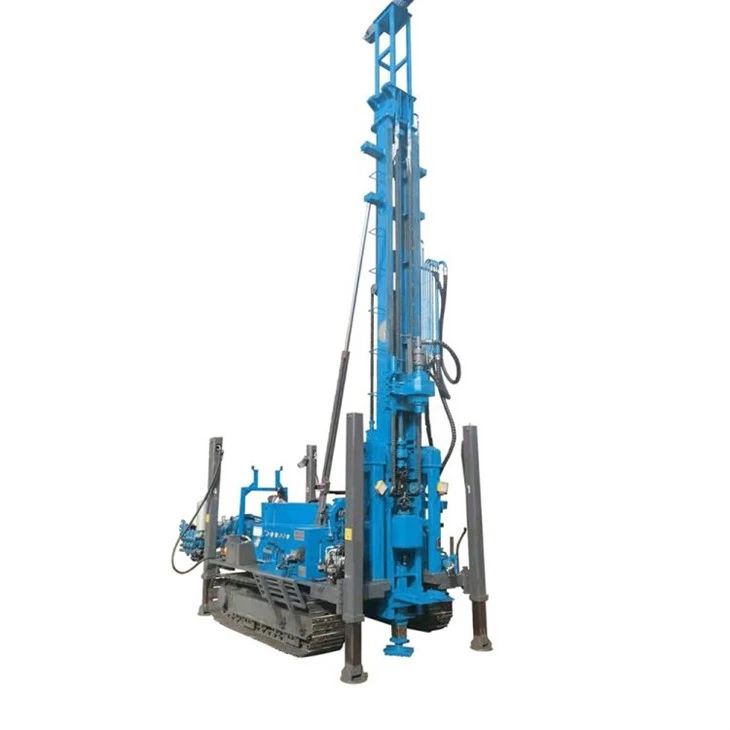
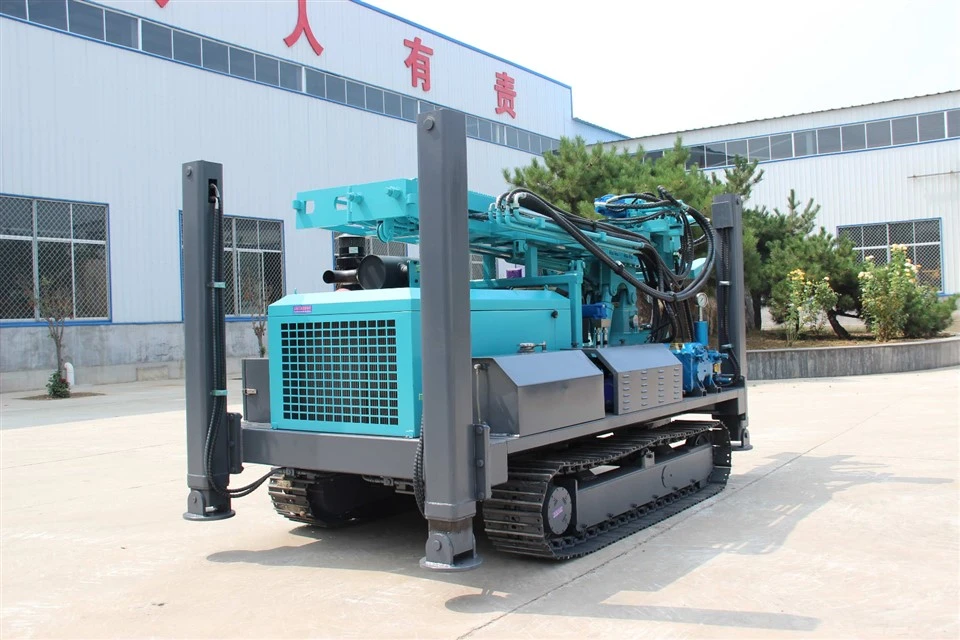
In addition to mobility and portability, the size and weight of the rig are also important considerations. A smaller and lighter rig may be easier to transport and set up, but it may also have a lower drilling capacity and performance. On the other hand, a larger and heavier rig may have a higher drilling capacity and performance, but it may also be more difficult to transport and set up.
Control and Automation
The control and automation features of a core drilling rig can significantly improve its efficiency and safety. Many modern rigs are equipped with advanced control systems that allow the operator to monitor and adjust the drilling parameters, such as the drilling speed, torque, and pullback force, in real-time. These control systems can also provide diagnostic information and alerts, helping the operator to detect and troubleshoot problems quickly.
In addition to control systems, many modern rigs are also equipped with automation features, such as automatic drill bit feed and retraction, automatic rod handling, and automatic depth control. These automation features can reduce the workload of the operator and improve the accuracy and repeatability of the drilling process.
Safety Features
Safety is always a top priority in any drilling operation, and core drilling rigs are no exception. Many modern rigs are equipped with a range of safety features, such as emergency stop buttons, safety guards, and fire suppression systems, to protect the operator and the equipment from accidents and injuries.
In addition to these basic safety features, some rigs are also equipped with more advanced safety features, such as tilt sensors, load sensors, and automatic shut-off systems. These advanced safety features can detect and prevent potential hazards, such as overloading, tipping, and drill string breakage, before they occur.
Links to Our Products
If you're in the market for a core drilling rig, we offer a range of high-quality Geological Exploration machine, including Wireline Core Drilling Rig and Full Hydraulic Core Exploration Drilling Rig. Our rigs are designed to meet the specific needs of our customers and are built to the highest standards of quality and reliability.
Contact Us for Procurement
If you're interested in learning more about our core drilling rigs or would like to discuss your specific requirements, please don't hesitate to contact us. Our experienced sales team will be happy to provide you with more information and help you find the right rig for your project.
References
- Drilling Engineering Handbook, John Doe, 20XX
- Core Drilling Technology, Jane Smith, 20XX
- Geological Exploration Techniques, Bob Johnson, 20XX