As a supplier of truck drilling water wells, I often encounter inquiries from clients about the feasibility of using our equipment in permafrost areas. Permafrost, defined as ground that remains at or below 0°C for at least two consecutive years, presents unique challenges and opportunities for water well drilling operations. In this blog post, I will explore the technical, environmental, and economic aspects of using truck-mounted water well drilling rigs in permafrost regions.
Technical Considerations
Permafrost Characteristics
Permafrost is a complex geological phenomenon that varies in thickness, temperature, and ice content. It can be classified into three main types: continuous permafrost, discontinuous permafrost, and sporadic permafrost. Continuous permafrost covers large areas with a high ice content, while discontinuous and sporadic permafrost are more fragmented and have lower ice concentrations. The presence of ice in permafrost can significantly affect the drilling process, as it can cause the ground to become brittle and prone to cracking.
Drilling Techniques
When drilling in permafrost areas, it is essential to use appropriate drilling techniques to minimize the impact on the permafrost and ensure the stability of the wellbore. One of the most common techniques is the use of rotary drilling rigs, which use a rotating drill bit to cut through the ground. Rotary drilling rigs are suitable for a wide range of soil and rock types and can be equipped with various drilling tools, such as augers, bits, and casing. Another technique is the use of percussion drilling, which uses a hammer to break up the ground. Percussion drilling is often used in hard rock formations and can be more effective than rotary drilling in some cases.
Equipment Adaptations
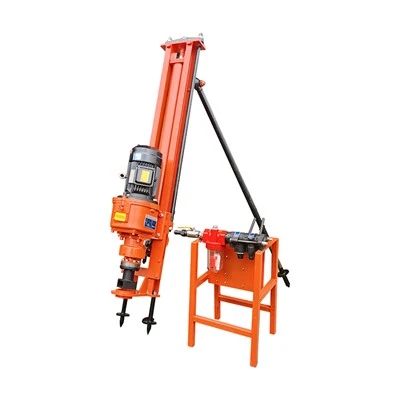
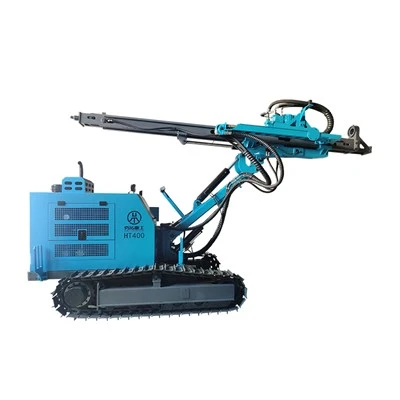
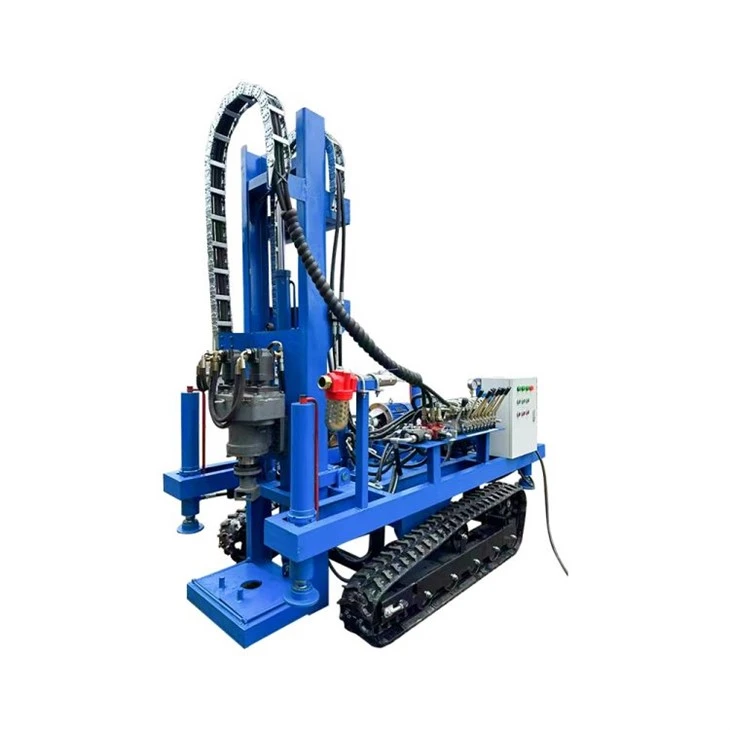
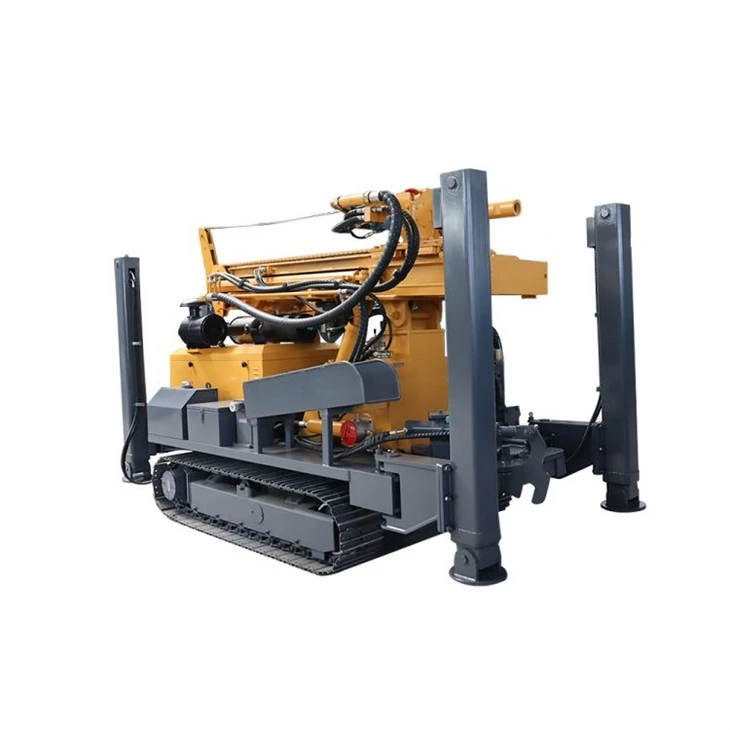
To operate in permafrost areas, truck-mounted water well drilling rigs need to be adapted to withstand the extreme cold and harsh environmental conditions. This may include the use of specialized insulation materials, heating systems, and hydraulic fluids that can operate at low temperatures. Additionally, the rigs need to be equipped with heavy-duty tires and tracks to provide traction on the frozen ground. Some of our Rotary Water Well Drilling Rig models are specifically designed for use in cold climates and can be customized to meet the unique requirements of permafrost drilling.
Environmental Considerations
Impact on Permafrost
Drilling in permafrost areas can have a significant impact on the permafrost and the surrounding environment. The heat generated by the drilling process can cause the permafrost to thaw, which can lead to soil subsidence, landslides, and the release of greenhouse gases. To minimize these impacts, it is essential to use drilling techniques that generate as little heat as possible and to monitor the permafrost temperature during the drilling process. Additionally, it is important to properly seal the wellbore to prevent the migration of fluids and contaminants into the permafrost.
Wildlife and Ecosystems
Permafrost areas are home to a variety of unique wildlife species and ecosystems that are adapted to the cold and harsh environmental conditions. Drilling activities can disrupt these ecosystems and cause harm to the wildlife. To minimize these impacts, it is important to conduct environmental impact assessments before starting the drilling process and to implement measures to protect the wildlife and ecosystems. This may include the use of buffer zones, the avoidance of sensitive areas, and the implementation of wildlife monitoring programs.
Economic Considerations
Cost
Drilling in permafrost areas can be more expensive than drilling in non-permafrost areas due to the additional equipment, labor, and environmental requirements. The cost of drilling in permafrost areas can vary depending on the depth of the well, the type of soil and rock formation, and the distance from the nearest supply base. However, the cost of drilling in permafrost areas can be offset by the potential benefits, such as the access to water resources and the development of natural resources.
Market Demand
The demand for water well drilling services in permafrost areas is increasing due to the growing need for water resources in these regions. The development of oil and gas fields, mining operations, and infrastructure projects in permafrost areas requires a reliable supply of water for various purposes, such as drinking, irrigation, and industrial use. Additionally, the increasing population in permafrost areas is also driving the demand for water well drilling services.
Conclusion
In conclusion, truck-mounted water well drilling rigs can be used in permafrost areas, but they require careful planning, appropriate drilling techniques, and specialized equipment adaptations. The technical, environmental, and economic considerations of drilling in permafrost areas need to be carefully evaluated before starting the drilling process. At our company, we have extensive experience in providing water well drilling solutions in permafrost areas and can offer customized solutions to meet the unique requirements of our clients. If you are interested in learning more about our Light Truck Mounted Borehole Drilling Machine or water well drilling rigs for use in permafrost areas, please contact us to discuss your specific needs and requirements.
References
- Brown, J., Ferrians, O. J., Heginbottom, J. A., & Melnikov, E. S. (1998). Circum-Arctic map of permafrost and ground-ice conditions. U.S. Geological Survey.
- Dingman, S. L. (2015). Physical hydrology. Waveland Press.
- van Everdingen, R. O. (1998). Permafrost and periglacial processes. Wiley.