Hey there! As a supplier of well drilling water trucks, I often get asked about the noise levels of these machines. It's a valid concern, especially when you're working in residential areas or trying to keep the peace on a job site. So, let's dive into what you can expect in terms of noise when using well drilling water trucks.
Understanding the Noise Sources
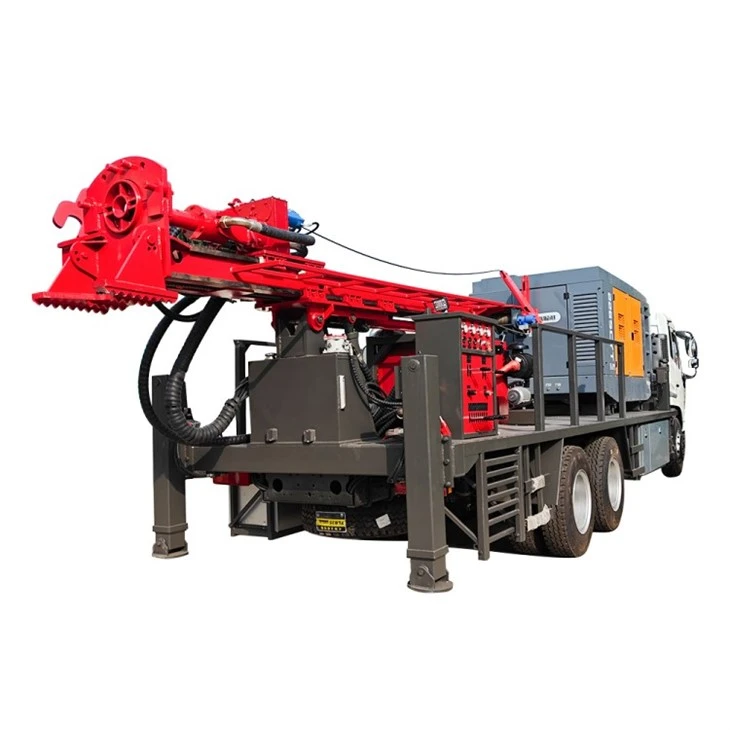
Well drilling water trucks are complex pieces of equipment, and there are several sources of noise. First off, there's the engine. Just like any large vehicle, the engine of a well drilling water truck is a significant contributor to the overall noise level. The engine has to work hard to power the truck itself, as well as the drilling equipment and water pumping systems. The combustion process inside the engine cylinders, the movement of pistons, and the operation of the exhaust system all generate sound waves that we perceive as noise.
Another major source of noise is the drilling mechanism. When the drill bit hits the ground and starts to break through rocks and soil, it creates a lot of vibration and noise. The rotation of the drill string, the impact of the bit on the subsurface materials, and the movement of the drilling fluid all add to the racket. And let's not forget about the water pump. The water pump is responsible for circulating the drilling fluid and providing the necessary pressure for the drilling process. The operation of the pump, with its moving parts and pressure changes, also produces a fair amount of noise.
Measuring Noise Levels
Noise levels are typically measured in decibels (dB). A decibel is a unit that quantifies the intensity of sound. For reference, a normal conversation between two people is usually around 60 dB, while a lawn mower can be about 90 dB. When it comes to well drilling water trucks, the noise levels can vary depending on several factors, such as the type of engine, the drilling method, and the size of the equipment.
On average, a well drilling water truck can produce noise levels in the range of 90 - 110 dB at the source. That's pretty loud, especially when you consider that prolonged exposure to noise levels above 85 dB can cause hearing damage. If you're standing near the truck while it's operating, you'll definitely need to wear ear protection. And if you're working in a residential area, the noise can be a real nuisance to the neighbors.
Factors Affecting Noise Levels
There are several factors that can affect the noise levels of well drilling water trucks. One of the most important factors is the type of engine. Diesel engines are generally louder than gasoline engines, as they have a more powerful combustion process and higher compression ratios. The size of the engine also matters. Larger engines tend to produce more noise because they have more cylinders and a greater displacement.
The drilling method can also have a significant impact on noise levels. For example, traditional rotary drilling methods can be relatively noisy, as the drill bit rotates at high speeds and creates a lot of friction and vibration. On the other hand, some newer drilling technologies, such as the reverse circulation water well drilling rig, may produce less noise. Reverse circulation drilling uses a different mechanism to remove cuttings from the borehole, which can reduce the amount of vibration and noise generated.
The condition of the equipment is another crucial factor. Worn-out or poorly maintained engines, drill bits, and pumps can produce more noise than well-maintained equipment. Regular maintenance, such as changing the oil, replacing worn parts, and lubricating moving components, can help keep the noise levels in check.

Noise Reduction Strategies
As a well drilling water truck supplier, I understand the importance of reducing noise pollution. That's why we offer several solutions to help our customers minimize the noise levels of their equipment.
One of the simplest ways to reduce noise is to use soundproofing materials. We can install soundproofing panels on the engine compartment, the drilling rig, and the water pump to absorb and dampen the sound waves. These panels are typically made of materials like fiberglass or foam, which have excellent sound absorption properties.
Another effective strategy is to use mufflers and silencers. Mufflers are installed on the exhaust system of the engine to reduce the noise produced by the exhaust gases. Silencers can also be used on the air intake and water pump systems to reduce the noise generated by the movement of air and water.
In addition to these physical solutions, we also recommend using the right drilling techniques. For example, using a slower drilling speed can reduce the amount of vibration and noise generated by the drill bit. And by choosing the appropriate drilling method for the specific soil and rock conditions, you can minimize the noise levels and improve the efficiency of the drilling process.
Comparing with Other Drilling Equipment
It's also interesting to compare the noise levels of well drilling water trucks with other types of drilling equipment. For instance, Light Truck Mounted Borehole Drilling Machine and Well Drilling Machines may have different noise profiles.
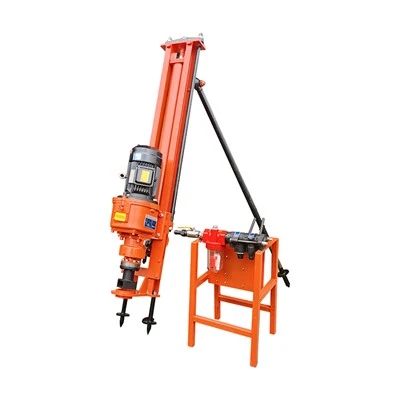
Light truck-mounted borehole drilling machines are generally smaller and more compact than well drilling water trucks. They are often used for smaller-scale drilling projects, such as in residential areas or for agricultural purposes. These machines may produce less noise because they have smaller engines and less powerful drilling mechanisms.
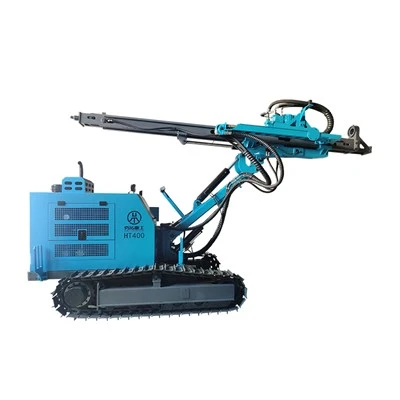
Well drilling machines, on the other hand, can vary widely in terms of size and noise levels. Some well drilling machines are designed for large-scale commercial projects and may be very noisy. Others are more compact and may be suitable for smaller jobs with lower noise requirements.
The Importance of Noise Considerations
When choosing a well drilling water truck or any other drilling equipment, it's essential to consider the noise levels. Not only can excessive noise be a nuisance to the surrounding environment, but it can also have legal implications. Many local governments have noise regulations in place to protect the health and well - being of their residents. If your drilling operations exceed the permitted noise levels, you may face fines or other penalties.
Moreover, reducing noise levels can also improve the working conditions for your employees. By minimizing the noise exposure, you can reduce the risk of hearing damage and other health problems. This can lead to a more productive and satisfied workforce.
Conclusion
In conclusion, the noise levels of well drilling water trucks can be significant, but there are ways to manage and reduce them. As a supplier, we offer a range of solutions to help you keep the noise under control, from soundproofing materials to advanced drilling techniques. Whether you're working in a residential area or a commercial site, it's important to consider the noise impact of your drilling operations.
If you're in the market for a well drilling water truck or want to learn more about our noise reduction solutions, don't hesitate to reach out. We're here to help you find the right equipment for your needs and ensure that your drilling projects run smoothly, quietly, and efficiently. Let's start a conversation and see how we can work together to meet your well drilling requirements.
References
- "Noise Control in Industrial Settings", Industrial Noise Handbook
- "Drilling Equipment Noise and Vibration", Journal of Geotechnical Drilling