As a trusted drilling rod supplier, I understand the significance of properly storing drilling rods. A well - maintained storage method not only ensures the longevity of the rods but also enhances their performance when put to use. In this blog, I'll share some scientific and practical tips on how to store a drilling rod properly.
I. Understanding the Types of Drilling Rods
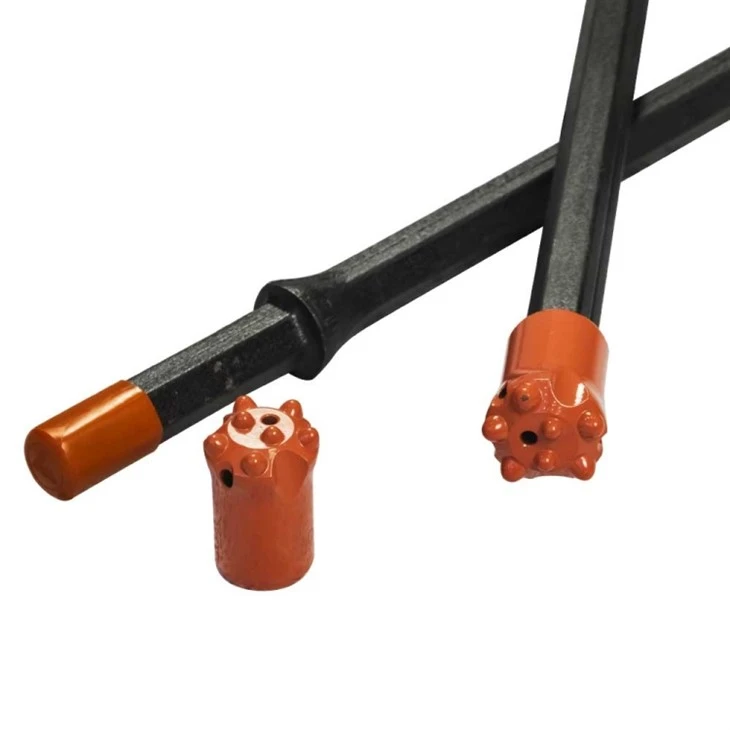
Before we delve into the storage methods, it's essential to understand the different types of drilling rods. At our company, we supply various types, such as Oil drilling rods, Tapered Drill Rod, and Steel Drill Rod. Each type has its own characteristics and storage requirements.
Oil drilling rods are typically used in the oil and gas industry. They are often exposed to harsh environments underground, so they need to be protected from corrosion and damage during storage. Tapered drill rods are designed for specific drilling applications where a tapered shape is required for better penetration and stability. Steel drill rods, on the other hand, are known for their strength and durability. They are commonly used in rock drilling and other tough - working conditions.
II. Pre - storage Preparation
- Cleaning
Before storing the drilling rods, thorough cleaning is a must. Drill rods used in different environments may be covered with dirt, mud, oil, or other contaminants. These substances can accelerate corrosion and damage the surface of the rods. Use appropriate cleaning agents and tools, such as wire brushes and high - pressure water guns, to remove all the dirt and debris. For oil - contaminated rods, use degreasers to clean the oil off. - Inspection
After cleaning, conduct a detailed inspection of the drilling rods. Check for any visible signs of damage, such as cracks, bends, or wear. Pay special attention to the threaded connections, as they are crucial for the proper functioning of the rods when assembled. If any damaged parts are found, mark them clearly and consider repair or replacement options. This not only helps in maintaining the quality of the stored rods but also prevents potential safety hazards during future use. - Coating
Applying a protective coating is an effective way to prevent corrosion during storage. There are different types of coatings available, such as anti - rust paints and grease. For steel drill rods, a thin layer of anti - rust grease can be applied to the entire surface, especially the threaded parts. The coating acts as a barrier between the rod and the surrounding environment, protecting it from moisture and oxygen that can cause rust.
III. Storage Environment
- Temperature and Humidity
Drilling rods should be stored in a controlled environment. High humidity can lead to corrosion, especially for steel components. Ideally, the relative humidity in the storage area should be kept below 60%. If it's not possible to control the humidity in a large - scale warehouse, dehumidifiers can be used. Temperature also plays a role. Extreme temperatures, either too high or too low, can affect the material properties of the rods. A stable temperature between 10°C and 30°C is recommended. - Ventilation
Good ventilation is essential in the storage area. Stagnant air can trap moisture and pollutants, which are harmful to the drilling rods. Adequate ventilation helps to keep the air fresh and reduces the risk of corrosion. Install ventilation fans or open windows and doors regularly to ensure proper air circulation. - Protection from the Elements
The storage area should be protected from rain, snow, and direct sunlight. Exposure to these elements can cause physical and chemical damage to the rods. If the rods are stored outdoors temporarily, use waterproof covers to shield them from the elements. However, long - term outdoor storage is not recommended.
IV. Storage Methods
- Rack Storage
Rack storage is a common and effective way to store drilling rods. Use sturdy racks made of steel or other durable materials. The rods should be placed horizontally on the racks, with sufficient spacing between each rod to prevent contact and scratching. Make sure the racks are stable and can support the weight of the rods. Label the racks clearly to indicate the type, size, and quantity of the rods stored on each one. - Stacking
If rack storage is not available, stacking can be an alternative. When stacking drilling rods, place similar - sized and - shaped rods together. Place a layer of protective material, such as rubber mats or wooden boards, between each layer of rods to prevent scratching and damage. However, be careful not to stack the rods too high, as this can cause instability and increase the risk of collapse. - Separate Storage of Different Types
It's important to store different types of drilling rods separately. This is because different types of rods may have different chemical compositions and storage requirements. For example, oil drilling rods may have different surface treatments compared to steel drill rods. By storing them separately, you can better manage and protect each type of rod.
V. Monitoring and Maintenance during Storage
- Regular Inspections
Set up a regular inspection schedule for the stored drilling rods. Check for any signs of corrosion, damage, or deformation. Inspect the coating periodically to ensure it's still intact. If any issues are found, take immediate action to address them, such as re - applying the coating orrepairing the damaged parts. - Inventory Management
Keep an accurate inventory of the stored drilling rods. This includes information such as the type, size, quantity, and storage location of each rod. Regularly update the inventory to reflect any changes, such as new arrivals or withdrawals. Good inventory management helps in efficient use of the stored rods and reduces the risk of loss or misplacement.
VI. Conclusion
Proper storage of drilling rods is a crucial aspect of maintaining their quality and performance. As a drilling rod supplier, I strongly recommend following these storage guidelines to ensure the longevity of your drilling rods. By pre - preparing the rods, controlling the storage environment, using appropriate storage methods, and conducting regular monitoring and maintenance, you can significantly reduce the risk of damage and ensure that the rods are in optimal condition when needed.

If you're in the market for high - quality drilling rods or need more information on storage and maintenance, don't hesitate to contact us for procurement discussions. Our team of experts is ready to assist you in finding the right products for your specific needs. Let's work together to achieve your drilling goals!
References
- Smith, J. (2020). Handbook of Drilling Equipment Storage. Drilling Industry Press.
- Brown, A. W. (2019). Corrosion Prevention in Drill Rods. Metallurgy Journal.