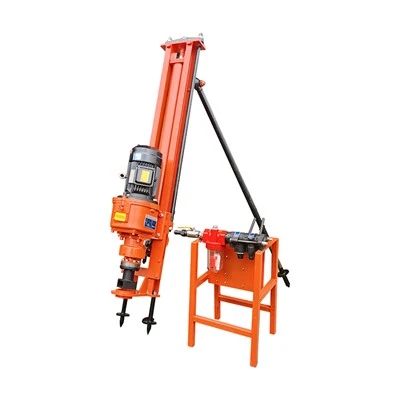
Hey there! As a supplier of pneumatic air leg rock drills, I get asked a lot about how often these bad boys should be lubricated. It's a crucial question because proper lubrication can make or break the performance and lifespan of your drill. So, let's dive right in and figure this out.
First off, let's understand why lubrication is so important for a pneumatic air leg rock drill. Pneumatic drills rely on compressed air to operate. Inside the drill, there are a bunch of moving parts like pistons, valves, and gears. These parts rub against each other during operation. Without proper lubrication, this friction can cause excessive wear and tear, leading to decreased efficiency, increased energy consumption, and even breakdowns. Lubrication reduces friction, dissipates heat, and protects the internal components from corrosion and damage.
Now, the frequency of lubrication depends on several factors. One of the main factors is how often you use the drill. If you're using your pneumatic air leg rock drill on a daily basis for long hours, it's going to need more frequent lubrication compared to a drill that's used only occasionally.
For heavy - duty, continuous use, I'd recommend lubricating the drill at least once every shift. A shift could be 8 hours, for example. This ensures that the internal components are always well - protected and can operate smoothly throughout the workday. You can use a high - quality pneumatic drill oil for this purpose. Just pour the oil into the air inlet of the drill according to the manufacturer's instructions.
If your usage is more moderate, say a few hours a day, lubricating the drill every 2 - 3 days should be sufficient. This gives the drill enough lubrication to keep it running well without over - lubricating, which can also cause problems. Over - lubrication can lead to oil build - up inside the drill, which might clog the air passages and affect the drill's performance.
Another factor to consider is the working environment. If the drill is being used in a dusty or dirty environment, it will need more frequent lubrication. Dust and dirt can get into the drill and mix with the lubricant, reducing its effectiveness. In such cases, even if the usage is low, I'd suggest lubricating the drill daily or at least every other day. The dust particles can act as an abrasive, causing more wear on the internal parts.
On the other hand, if the drill is used in a clean and dry environment, you might be able to stretch the lubrication intervals a bit. However, this doesn't mean you can neglect lubrication altogether. Even in ideal conditions, the moving parts still need some form of protection.
Let's also talk about the type of lubricant you use. Not all lubricants are created equal. You need to use a lubricant specifically designed for pneumatic tools. These lubricants are formulated to withstand the high - pressure and high - speed operation of pneumatic drills. They have the right viscosity and anti - wear properties to keep your drill in top shape.
Some people might wonder if they can use other types of oils or greases. Well, it's not a good idea. Using the wrong lubricant can damage the drill. For example, heavy - duty grease might be too thick and could clog the small air passages inside the drill. And using motor oil might not provide the necessary anti - wear protection for the high - speed moving parts.
Now, I know what you're thinking. How do I know if my drill is getting enough lubrication? Well, there are a few signs to look out for. If the drill starts to make unusual noises, like grinding or squeaking, it could be a sign that the internal parts are not well - lubricated. Also, if you notice a decrease in the drill's performance, such as slower drilling speed or less power, it might be time to check the lubrication level.


If you're just starting out with a new pneumatic air leg rock drill, it's a good idea to follow the manufacturer's guidelines for lubrication. The manufacturer knows the drill inside out and can provide the most accurate information. But as you get more experience using the drill, you can adjust the lubrication schedule based on your actual usage and working conditions.
In addition to regular lubrication, it's also important to perform other maintenance tasks on your drill. This includes cleaning the drill after each use to remove any dirt, dust, or debris. You should also check the air hoses for leaks and make sure the air pressure is set correctly. These maintenance tasks, combined with proper lubrication, can significantly extend the lifespan of your drill.
By now, you should have a good idea of how often to lubricate your pneumatic air leg rock drill. Remember, it all depends on your usage and the working environment. And don't forget to use the right lubricant.
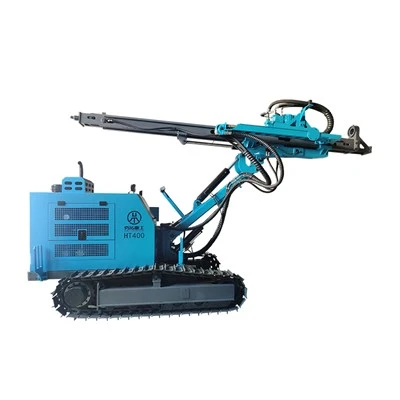
If you're in the market for a high - quality pneumatic air leg rock drill, or you're interested in our other rock - drilling equipment like the mini pneumatic drill or the Integrated Open - pit Down - the - hole Drill Rig, we've got you covered. Our products are built to last and perform under tough conditions. If you have any questions or want to discuss your specific needs, feel free to reach out. We're here to help you make the best choice for your rock - drilling projects.
References
- General knowledge about pneumatic tools maintenance
- Manufacturer's guidelines for pneumatic air leg rock drills