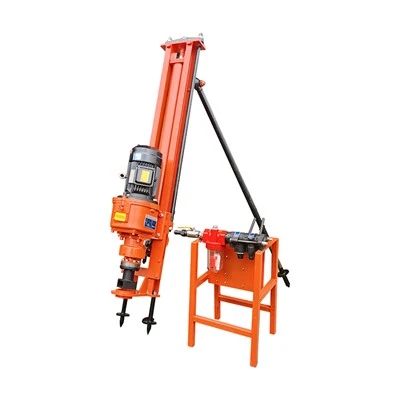
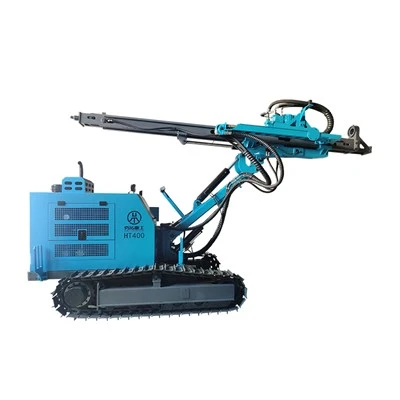
In the realm of modern exploration and excavation, core drilling rigs play a pivotal role. As a leading supplier of core drilling rigs, I've witnessed firsthand the rapid evolution of this industry. New technologies are constantly being integrated into core drilling rigs, enhancing their efficiency, precision, and safety. In this blog, I'll delve into some of the most significant new technologies applied in modern core drilling rigs.
Hydraulic Systems
One of the most prominent advancements in core drilling rigs is the widespread adoption of hydraulic systems. Traditional mechanical systems have limitations in terms of power transmission and control flexibility. Hydraulic systems, on the other hand, offer numerous advantages.
Full hydraulic core exploration drilling rigs, such as the ones we supply Full Hydraulic Core Exploration Drilling Rig, use hydraulic power to drive the drilling mechanism. Hydraulic cylinders can provide precise and powerful force for operations like hoisting the drill pipe, applying pressure to the drill bit, and controlling the rotation speed. This results in smoother and more efficient drilling processes.
Moreover, hydraulic systems are highly adaptable. They can be easily adjusted to different drilling conditions, such as varying rock hardness and drilling depths. The ability to fine - tune the hydraulic parameters allows for optimal performance in a wide range of geological environments. For example, in soft rock formations, the hydraulic pressure can be reduced to prevent over - penetration, while in hard rock, higher pressure can be applied to ensure effective drilling.
Automation and Control Systems
Automation is revolutionizing the core drilling industry. Modern core drilling rigs are equipped with advanced automation and control systems that significantly improve operational efficiency and safety.
Automated drilling control systems can monitor and adjust various drilling parameters in real - time. For instance, they can regulate the rotation speed of the drill bit, the feed rate of the drill pipe, and the pressure applied to the bit based on the geological data collected during the drilling process. This not only ensures more accurate drilling but also reduces the risk of human error.
In addition, remote control technology has become increasingly popular. Operators can now control the drilling rig from a safe distance using wireless communication devices. This is particularly useful in hazardous environments, such as areas with high - risk geological conditions or in mines where there may be potential for gas leaks or rockfalls. Remote control allows operators to avoid direct exposure to dangerous situations while still maintaining full control over the drilling operation.
Rotary Core Drilling Technology
Rotary core drilling is a well - established technique, but recent technological advancements have further enhanced its performance. Rotary core drilling rigs are designed to rotate the drill bit at high speeds to cut through the rock and extract core samples.
New rotary core drilling rigs are equipped with more powerful and efficient motors. These motors can generate higher torque, which is essential for drilling through hard rock formations. Additionally, the design of the drill bits has been improved. Advanced materials and manufacturing techniques are used to produce drill bits that are more durable and have better cutting performance.
Some rotary core drilling rigs also feature advanced mud circulation systems. The mud serves multiple purposes, including cooling the drill bit, carrying the rock cuttings to the surface, and providing stability to the borehole. The improved mud circulation systems ensure a more efficient removal of cuttings, which helps to prevent clogging and improves the overall drilling efficiency.
Wireline Core Drilling Technology
Wireline core drilling is another important technology in the core drilling industry. Wireline core drilling allows for the retrieval of core samples without having to pull out the entire drill string. This significantly reduces the time and effort required for core sample collection.
The wireline system consists of a wireline winch, a cable, and a core barrel. When the core barrel is full of core samples, it can be retrieved to the surface using the wireline cable, eliminating the need to disassemble the entire drill string. This process saves a great deal of time, especially in deep - hole drilling operations.
Modern wireline core drilling rigs are also equipped with advanced sensors and monitoring devices. These sensors can detect the position of the core barrel in the borehole, the amount of core sample collected, and the condition of the wireline cable. This information is crucial for ensuring the safe and efficient operation of the wireline system.
Drilling Fluid Technology
Drilling fluid, also known as drilling mud, is an essential component of core drilling operations. Recent advancements in drilling fluid technology have improved the performance of core drilling rigs.
New drilling fluids are formulated to have better lubricating properties. This reduces the friction between the drill bit and the rock, as well as between the drill pipe and the borehole wall. Lower friction means less wear and tear on the drilling equipment, which extends the lifespan of the drill bits and pipes.
Drilling fluids also play a vital role in maintaining borehole stability. Specialized fluids can be used to seal the borehole wall, preventing the collapse of the surrounding rock. In addition, they can carry the rock cuttings to the surface more effectively. Some advanced drilling fluids are designed to be environmentally friendly, which is becoming an increasingly important consideration in modern drilling operations.
Advanced Sensor Technology
Sensor technology has made significant contributions to the modernization of core drilling rigs. A variety of sensors are used to collect data during the drilling process, which is then used to optimize the drilling operation.
Geological sensors can analyze the rock properties in real - time. They can detect the type of rock, its hardness, and its density. This information is crucial for adjusting the drilling parameters to ensure efficient drilling. For example, if the sensor detects a change in rock type from soft sandstone to hard granite, the drilling rig's control system can automatically adjust the rotation speed and pressure.
In addition, vibration sensors can monitor the vibrations of the drill rig. Excessive vibrations can indicate problems such as misaligned drill pipes or worn - out drill bits. By detecting these vibrations early, operators can take corrective actions to prevent equipment damage and ensure continuous drilling operations.
Temperature sensors are also used to monitor the temperature of the drill bit and the drilling fluid. High temperatures can cause damage to the drill bit and reduce its performance. The sensor data can be used to adjust the cooling system to maintain an optimal operating temperature.
Conclusion
The integration of these new technologies in modern core drilling rigs has transformed the core drilling industry. Hydraulic systems, automation, advanced drilling techniques, improved drilling fluids, and sensor technology have all contributed to more efficient, accurate, and safe drilling operations.
As a core drilling rig supplier, we are committed to staying at the forefront of these technological advancements. We continuously invest in research and development to incorporate the latest technologies into our products, ensuring that our customers receive the most advanced and reliable core drilling solutions.
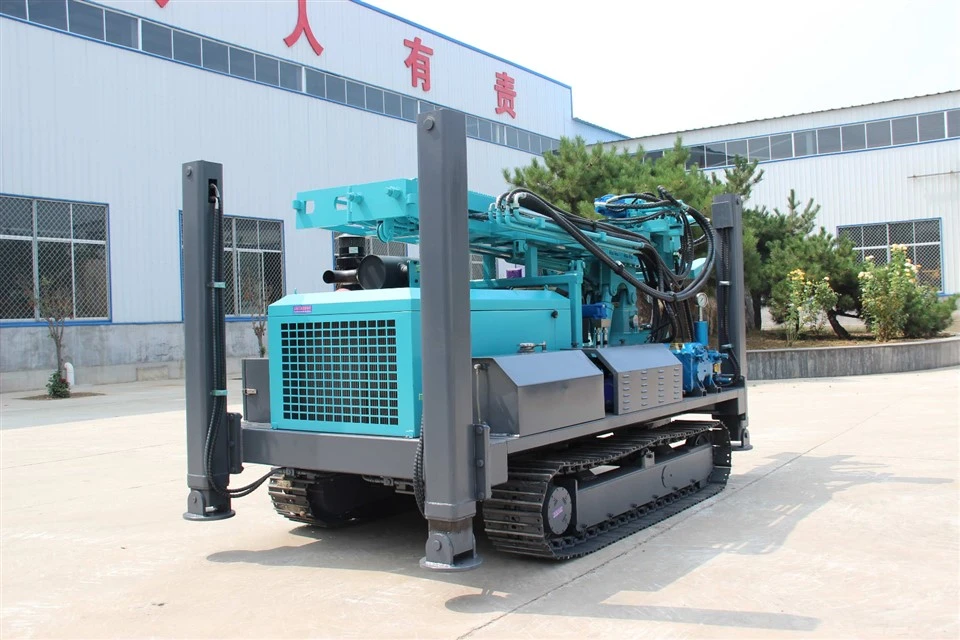
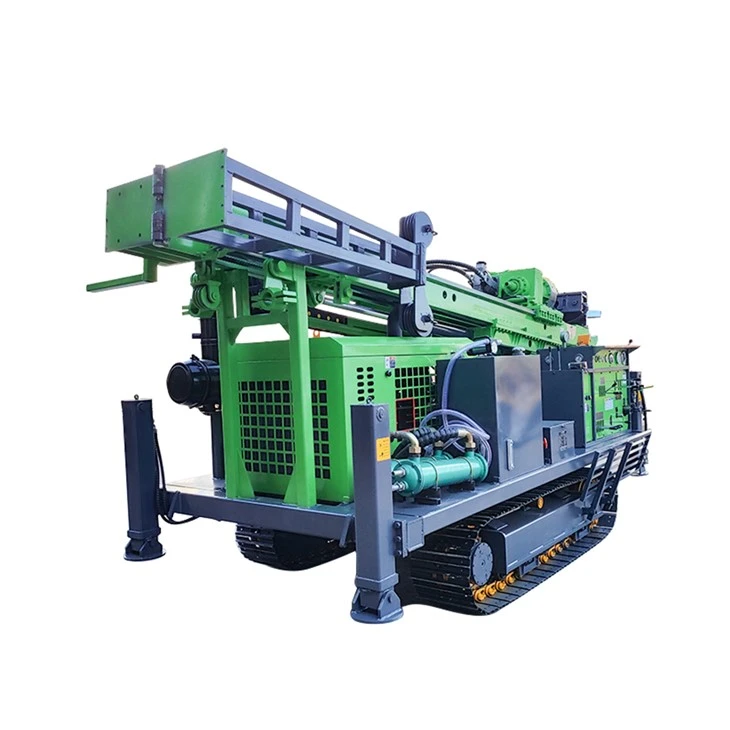
If you are in the market for high - quality core drilling rigs or have any questions about our products, we encourage you to reach out to us. We are more than happy to discuss your specific requirements and provide you with the best - suited drilling solutions for your projects.
References
- "Drilling Engineering Handbook"
- "Advances in Geotechnical Drilling Technology"
- Industry reports on core drilling rig technology trends