Down the hole (DTH) drilling is a popular method used in various industries, including mining, construction, and geothermal energy extraction. It involves using a drill bit at the bottom of the hole to break rock, with the help of a hammering action from a down the hole hammer. One crucial aspect of DTH drilling is the selection of the appropriate drill pipe size. In this blog, as a DTH drilling supplier, I will explore the different sizes of drill pipes for DTH drilling and their applications.
Understanding Drill Pipe Sizes
Drill pipes for DTH drilling come in a range of sizes, which are typically measured by their outer diameter (OD) and inner diameter (ID). The OD is the external measurement of the pipe, while the ID is the internal measurement. These measurements are crucial as they determine the compatibility of the drill pipe with other drilling components, such as the DTH hammer, bit, and drill rig.
The most common sizes of drill pipes for DTH drilling range from 2 - 1/2 inches (63.5 mm) to 6 - 1/4 inches (158.75 mm) in OD. However, larger sizes can also be used for specific applications. The choice of drill pipe size depends on several factors, including the type of rock being drilled, the depth of the hole, the drilling method, and the capacity of the drill rig.
Small - Sized Drill Pipes (2 - 1/2 inches - 3 - 1/2 inches OD)
Drill pipes with an OD of 2 - 1/2 inches (63.5 mm) to 3 - 1/2 inches (88.9 mm) are considered small - sized. These pipes are commonly used in applications where a smaller hole diameter is required, such as in geotechnical investigations, environmental drilling, and some light - duty mining operations.
- Geotechnical Investigations: In geotechnical investigations, small - sized drill pipes are used to collect soil and rock samples from the ground. The smaller hole diameter allows for more precise sampling and reduces the disturbance to the surrounding soil and rock.
- Environmental Drilling: For environmental drilling, such as groundwater monitoring well installation, small - sized drill pipes are ideal. They can be used to drill holes in various soil and rock formations with minimal impact on the environment.
- Light - Duty Mining Operations: In some small - scale mining operations, where the ore body is relatively shallow and the rock is not extremely hard, small - sized drill pipes can be used for exploration and production drilling.
Medium - Sized Drill Pipes (3 - 3/4 inches - 5 inches OD)
Medium - sized drill pipes, with an OD ranging from 3 - 3/4 inches (95.25 mm) to 5 inches (127 mm), are the most commonly used in DTH drilling. They offer a good balance between drilling efficiency and hole stability.
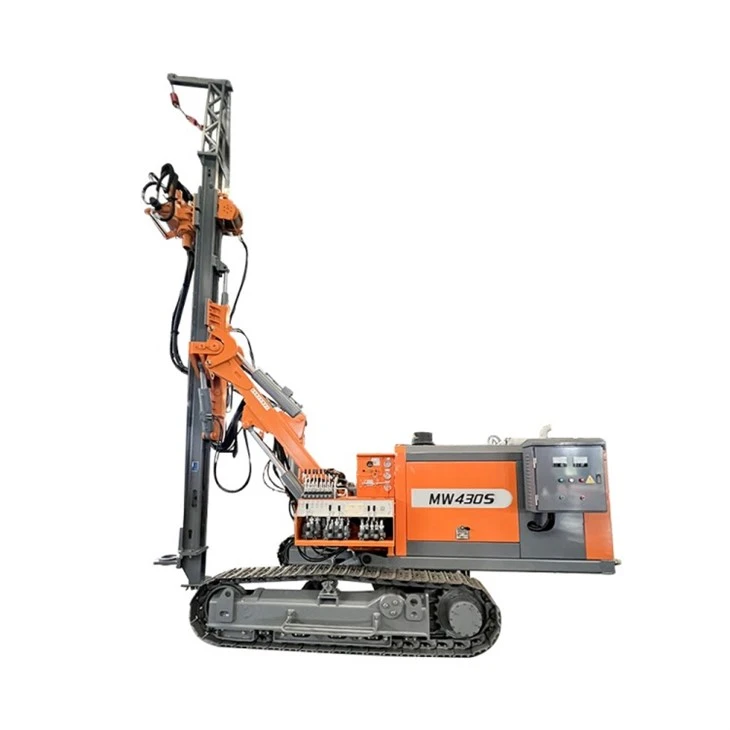
- Mining Applications: In mining, medium - sized drill pipes are used for both exploration and production drilling. They can handle a wide range of rock types, from soft sedimentary rocks to moderately hard igneous rocks. For example, in open - pit mining, these pipes are used to drill blast holes for ore extraction.
- Construction Projects: In construction, medium - sized drill pipes are used for foundation drilling, such as for building foundations, bridges, and retaining walls. They can drill through various soil and rock layers to reach the required depth for a stable foundation.
- Quarrying: Quarry operations often use medium - sized drill pipes to drill holes for blasting. The pipes can be used to create holes of the appropriate size and depth to break the rock into manageable pieces for extraction.
Large - Sized Drill Pipes (5 - 1/4 inches - 6 - 1/4 inches OD)
Large - sized drill pipes, with an OD of 5 - 1/4 inches (133.35 mm) to 6 - 1/4 inches (158.75 mm), are used in heavy - duty applications where a large hole diameter and high - energy drilling are required.
- Large - Scale Mining: In large - scale mining operations, such as deep - hole mining and large - scale open - pit mining, large - sized drill pipes are used to drill large - diameter blast holes. These holes are necessary to accommodate large amounts of explosives for efficient rock fragmentation.
- Geothermal Drilling: Geothermal energy extraction often requires the drilling of large - diameter holes to access hot water or steam reservoirs deep underground. Large - sized drill pipes can handle the high - pressure and high - temperature conditions associated with geothermal drilling.
- Large - Scale Construction Projects: For large - scale construction projects, such as dam construction and large - scale infrastructure development, large - sized drill pipes are used for foundation drilling. They can drill through hard rock layers to provide a stable foundation for massive structures.
The Importance of Compatibility
When selecting drill pipe sizes, it is essential to ensure compatibility with other drilling components. For example, the drill pipe must be compatible with the DTH hammer and bit. The ID of the drill pipe should be large enough to allow the passage of the necessary drilling fluids, such as air or water, to the bottom of the hole.
Moreover, the drill pipe must be compatible with the drill rig. The rig's capacity, including its torque, pull - back force, and rotation speed, must be sufficient to handle the selected drill pipe size. Using an incompatible drill pipe size can lead to inefficiencies, increased wear and tear on the equipment, and even safety hazards.
Our Product Range
As a DTH drilling supplier, we offer a wide range of drill pipes in different sizes to meet the diverse needs of our customers. Our drill pipes are made from high - quality materials and are designed to withstand the harsh conditions of DTH drilling.
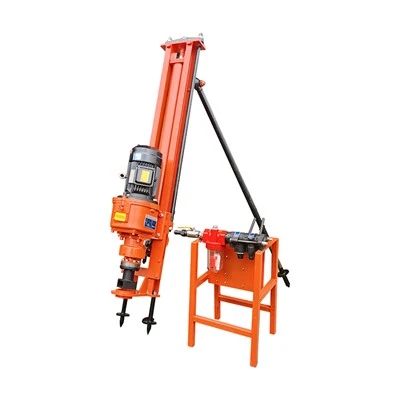
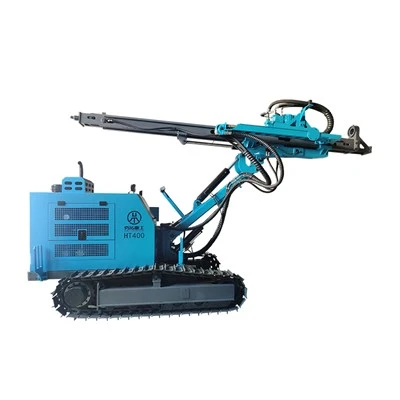
We also provide Anchor Drilling Rig, Crawler down the hole Drill Rig, and top hammer surface drill rig that are compatible with our drill pipes. These rigs are equipped with advanced technology to ensure efficient and reliable drilling operations.
Contact Us for Purchase and Consultation
If you are in the market for DTH drill pipes or related drilling equipment, we invite you to contact us for a detailed consultation. Our team of experts can help you select the most appropriate drill pipe size and equipment based on your specific drilling requirements. Whether you are involved in a small - scale geotechnical project or a large - scale mining operation, we have the solutions to meet your needs.
References
- "Drilling Engineering Handbook" by Anthony Economides, Michael J. Economides, and Khaled N. N. Salamy.
- "Mining Engineering Handbook" by Hartman and Mutmansky.
- Industry standards and guidelines from organizations such as the American Petroleum Institute (API) and the International Society for Rock Mechanics (ISRM).