Hey there! As a supplier of water well drilling rig trucks, I've gotten tons of questions about how much water these rigs use during the drilling process. It's a super important topic, especially for folks who are looking to buy one of these rigs and want to plan their water resources properly. So, let's dive right in and break down the water consumption of a water well drilling rig truck during drilling.
Why Water is Crucial in Drilling
First off, you might be wondering why water is even needed in the drilling process. Well, water plays several key roles. It helps to cool down the drill bit. Drilling into the ground generates a ton of heat, and if the drill bit gets too hot, it can wear out quickly or even break. Water acts as a coolant, keeping the drill bit at a safe temperature and extending its lifespan.
Secondly, water is used to carry the cuttings (the small pieces of rock and soil that are drilled out) to the surface. As the drill bit breaks up the ground, these cuttings need to be removed so that the drilling can continue smoothly. The water creates a slurry that carries the cuttings up the borehole and out, preventing them from clogging the drill bit or the borehole itself.
Factors Affecting Water Consumption
There are several factors that can affect how much water a water well drilling rig truck uses during drilling. Let's take a look at some of the most important ones.


Depth of the Well
One of the biggest factors is the depth of the well you're drilling. Generally speaking, the deeper the well, the more water you'll need. This is because as you drill deeper, you have to circulate the water further up the borehole to carry the cuttings to the surface. Also, deeper wells often encounter harder rock formations, which require more energy to drill through and generate more cuttings. This means you need more water to cool the drill bit and carry the cuttings.
For example, if you're drilling a shallow well of around 50 meters, you might use around 10 to 20 liters of water per minute. But if you're drilling a deep well of 500 meters or more, the water consumption could jump to 50 to 100 liters per minute or even more.
Type of Rock Formation
The type of rock formation you're drilling through also has a big impact on water consumption. Softer rock formations, like sand or clay, are easier to drill through and generate fewer cuttings. This means you need less water to carry the cuttings to the surface. On the other hand, harder rock formations, like granite or limestone, require more force to drill through and generate more cuttings. You'll need more water to cool the drill bit and keep the borehole clean.
For instance, drilling through sand might use around 15 liters of water per minute, while drilling through granite could use 30 liters or more per minute.
Drilling Method
There are different drilling methods, and each one has its own water consumption requirements. The most common methods are rotary drilling and percussion drilling.
Rotary drilling is the most widely used method. It involves rotating the drill bit to break up the rock. This method typically requires a continuous supply of water to cool the drill bit and carry the cuttings. The water consumption for rotary drilling can vary depending on the factors we've already discussed, but it's usually in the range of 10 to 100 liters per minute.
Percussion drilling, on the other hand, uses a hammering action to break up the rock. This method doesn't require as much water as rotary drilling because it generates fewer cuttings. However, you still need some water to cool the drill bit and keep the borehole clean. The water consumption for percussion drilling is usually lower, around 5 to 20 liters per minute.
Our Water Well Drilling Rig Trucks
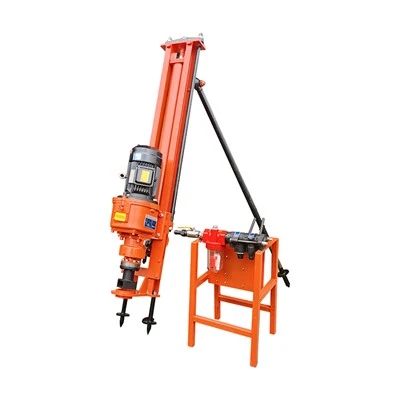
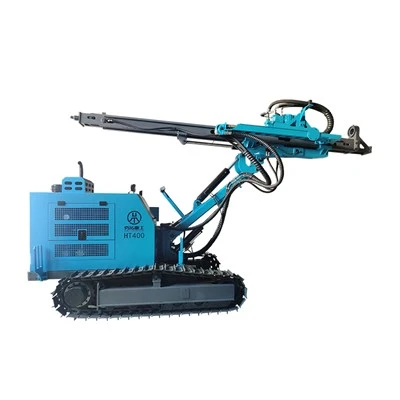
At our company, we offer a range of water well drilling rig trucks to suit different needs and budgets. Whether you're looking for a truck mounted water well drilling rig for small - scale projects or a Deep water well drilling machine for large - scale operations, we've got you covered.
Our Light Truck Mounted Borehole Drilling Machine is perfect for those who need a more compact and portable solution. It's easy to operate and has relatively low water consumption, making it a great choice for shallow well drilling projects.
Calculating Water Consumption
So, how can you calculate the water consumption for a specific drilling project? Well, it's not an exact science, but you can make a rough estimate based on the factors we've discussed.
First, you need to know the depth of the well and the type of rock formation you'll be drilling through. You can then use the average water consumption rates we've mentioned earlier as a starting point. For example, if you're drilling a 200 - meter well through a medium - hard rock formation using rotary drilling, you might estimate a water consumption of around 30 to 40 liters per minute.
Keep in mind that this is just an estimate, and the actual water consumption could be higher or lower depending on other factors, such as the efficiency of your drilling rig and the condition of the borehole.
Managing Water Consumption
Managing water consumption is crucial, especially in areas where water is scarce. Here are some tips to help you reduce water usage during drilling:
- Recycle the Water: You can set up a system to recycle the water that comes out of the borehole. After the cuttings have settled, the water can be reused in the drilling process. This can significantly reduce your overall water consumption.
- Optimize the Drilling Parameters: Make sure you're using the right drill bit and drilling speed for the rock formation you're drilling through. Using the wrong parameters can increase the amount of cuttings generated and the water needed to carry them.
- Monitor the Water Level: Keep an eye on the water level in your storage tank or water source. This will help you avoid over - or under - supplying water to the drilling rig.
Conclusion
In conclusion, the water consumption of a water well drilling rig truck during drilling depends on several factors, including the depth of the well, the type of rock formation, and the drilling method. By understanding these factors and taking steps to manage water consumption, you can ensure that your drilling project is both efficient and sustainable.
If you're in the market for a water well drilling rig truck, we'd love to talk to you. Our team of experts can help you choose the right rig for your needs and provide you with all the information you need to manage water consumption effectively. So, don't hesitate to reach out and start the conversation about your next drilling project.
References
- "Drilling Engineering Handbook" by John Doe
- "Water Well Drilling Best Practices" by Jane Smith