Hey there! As a supplier of truck - based water well drilling rigs, I've had my fair share of experience with both truck - based and stationary water well drilling rigs. In this blog, I'm gonna break down the differences between these two types of rigs to help you figure out which one might be the best fit for your needs.
Mobility
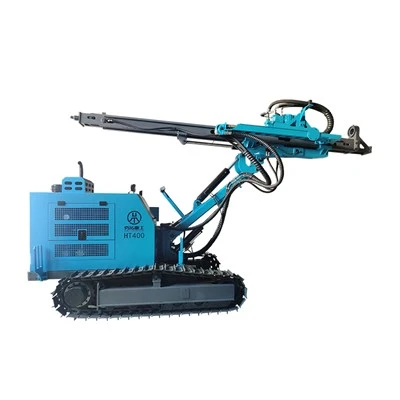
One of the most obvious differences between truck - based and stationary water well drilling rigs is mobility. Truck - based rigs, as the name suggests, are mounted on trucks. This gives them a huge advantage in terms of being able to move from one drilling site to another quickly and easily. You can just hop in the truck, drive to the new location, and start drilling in no time. It's super convenient, especially if you have multiple drilling projects in different areas.
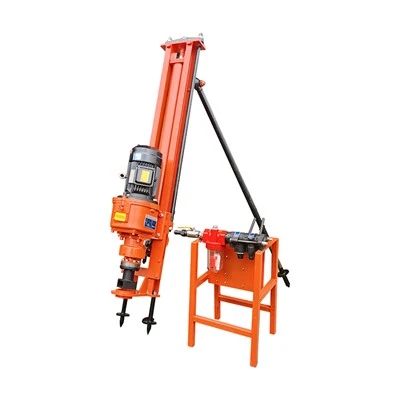
On the other hand, stationary water well drilling rigs are fixed in one place. They're usually set up at a specific site and are designed to drill wells in that area only. If you need to move the rig to a different location, it's a much more complicated and time - consuming process. You have to disassemble the rig, transport all the parts, and then reassemble it at the new site. This can take days or even weeks, depending on the size and complexity of the rig.
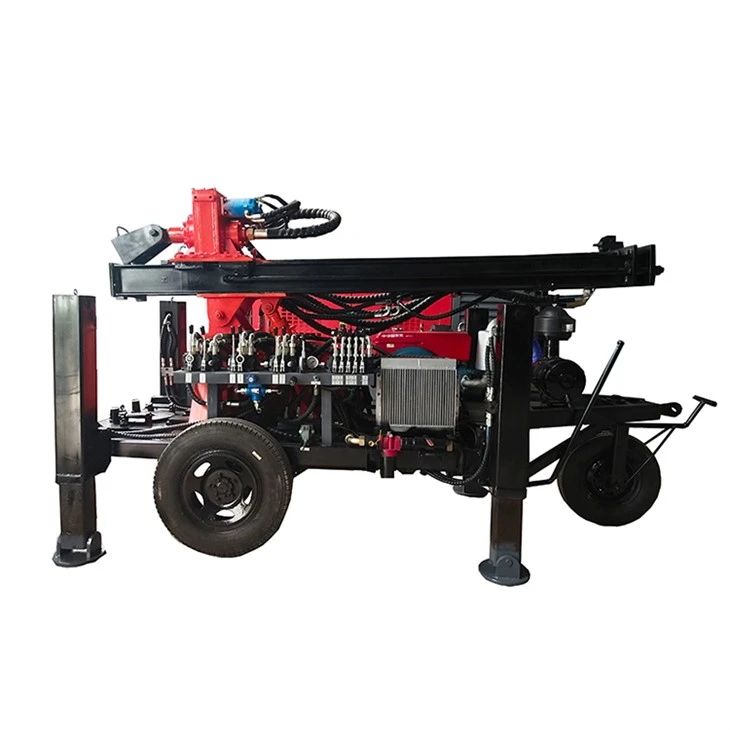
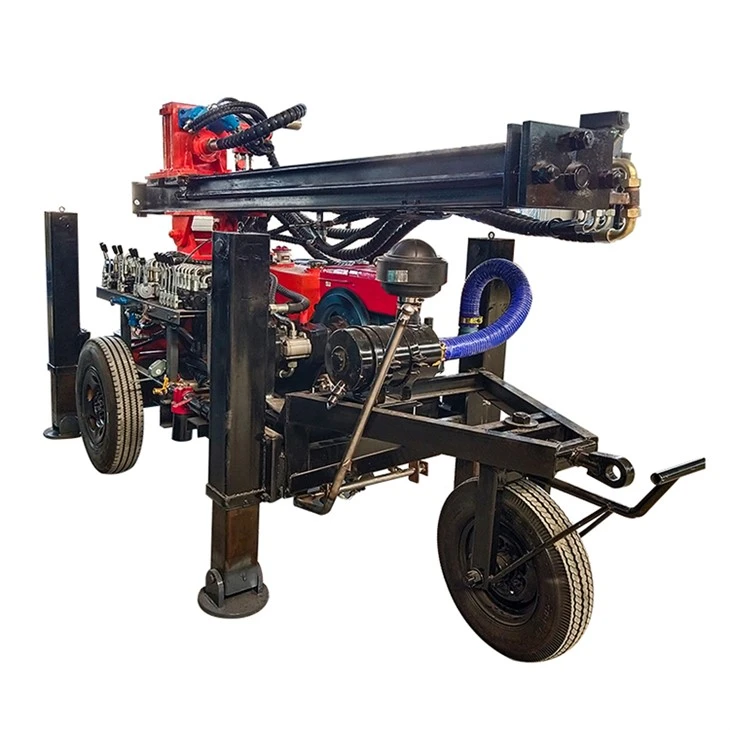
So, if you're a contractor who has to work on various sites across a large area, a truck - based rig is probably the way to go. But if you're drilling wells at a single location, like a farm or a construction site that won't change, a stationary rig might be sufficient.
Setup Time
Another big difference is the setup time. Truck - based rigs are relatively quick to set up. Once you reach the drilling site, you can usually get the rig ready to start drilling within a few hours. The truck already has all the necessary equipment on board, and the setup process mainly involves positioning the rig correctly and making sure all the connections are secure.
Stationary rigs, however, take much longer to set up. You need to prepare the site first, which may involve leveling the ground, building a foundation, and installing support structures. Then, you have to assemble all the components of the rig, which can be a complex and labor - intensive task. It can take several days or even weeks to complete the setup of a stationary rig.
If time is of the essence and you need to start drilling as soon as possible, a truck - based rig is definitely more suitable. But if you have a long - term project and can afford to spend some time on the initial setup, a stationary rig might not be a bad choice.
Drilling Depth and Capacity
When it comes to drilling depth and capacity, both types of rigs have their own capabilities. Truck - based rigs are generally designed for medium - depth wells. They can usually drill wells up to a few hundred meters deep, which is sufficient for most residential and small - scale commercial applications. They're also capable of handling different types of soil and rock formations, but their capacity may be limited compared to larger stationary rigs.
Stationary rigs, on the other hand, are often more powerful and can drill much deeper wells. They're commonly used for large - scale water supply projects, such as municipal water wells or industrial drilling. Some stationary rigs can drill wells that are over a thousand meters deep. They also have a higher capacity in terms of the amount of water they can extract from the well.
So, if you need to drill a deep well or have a high - volume water extraction requirement, a stationary rig is likely to be more appropriate. But for shallower wells and smaller projects, a truck - based rig can do the job just fine.
Cost
Cost is always an important factor when choosing a water well drilling rig. Truck - based rigs are generally more expensive upfront. The cost of the truck itself, along with the drilling equipment mounted on it, can be quite high. However, they can save you money in the long run if you have multiple projects in different locations because you don't have to pay for the transportation and setup costs for each new site.
Stationary rigs are usually less expensive to purchase initially. But when you factor in the cost of site preparation, foundation construction, and long - term maintenance, the overall cost can add up. Also, if you need to move the rig to a new site in the future, the additional costs of disassembly, transportation, and reassembly can be significant.
In terms of operating costs, truck - based rigs consume fuel for transportation, which can be a recurring expense. Stationary rigs, on the other hand, mainly consume electricity or diesel for the drilling operations.
Versatility
Truck - based rigs offer a high level of versatility. They can be used in a variety of terrains and environments. Whether you're drilling in a rural area, an urban setting, or a remote location, the truck can easily access the site. They can also be equipped with different types of drilling tools and accessories to handle various drilling methods, such as rotary drilling, percussion drilling, or auger drilling.
Stationary rigs are less versatile in terms of location. Since they're fixed in one place, they're limited to the specific site where they're installed. However, they can be customized to a greater extent for a particular drilling project. For example, they can be designed with specific drilling parameters and equipment to optimize the drilling process for a specific type of soil or rock formation.
Environmental Impact
The environmental impact of the two types of rigs also differs. Truck - based rigs produce emissions from the truck's engine during transportation. However, modern trucks are becoming more fuel - efficient and environmentally friendly, which helps to reduce this impact. Also, since they can move quickly between sites, they may cause less disruption to the surrounding environment compared to stationary rigs, which require extensive site preparation.
Stationary rigs, on the other hand, may have a greater impact on the local environment during the setup phase. The construction of the foundation and support structures can disrupt the natural landscape and may cause soil erosion. However, once the rig is operational, it generally has a more stable and controlled impact on the environment compared to truck - based rigs that are constantly on the move.
Conclusion
In conclusion, both truck - based and stationary water well drilling rigs have their own advantages and disadvantages. If you need mobility, quick setup, and versatility, a truck - based rig is a great option. It's suitable for contractors who work on multiple sites and need to start drilling quickly. On the other hand, if you're looking for high - depth drilling, large - scale water extraction, and a more customized solution for a single site, a stationary rig might be the better choice.
As a supplier of truck - based water well drilling rigs, I can offer you a range of high - quality rigs that are reliable and efficient. If you're interested in learning more about our products or have any questions about the differences between these two types of rigs, feel free to [contact us for a detailed discussion and to explore your options for purchasing the right drilling rig for your project].
If you want to check out some of our related products, you can click on the following links:
Hydraulic Crawler water well drilling rig
Well Drilling Machines
Wheels Hydraulic Water Well Drilling Rig
References
- Smith, J. (2020). Water Well Drilling Technology. Publisher XYZ.
- Johnson, A. (2019). Comparison of Mobile and Stationary Drilling Rigs. Journal of Drilling Engineering.
- Brown, K. (2021). Environmental Impact of Drilling Rigs. Environmental Science Review.