Hey there! As a supplier of screw air compressors, I often get asked about how to clean the interior of these machines. A well - maintained screw air compressor not only runs more efficiently but also has a longer lifespan. So, let's dive right into it and learn how to clean the interior of a screw air compressor step by step.
Why Cleaning the Interior is Important
First off, you might be wondering why it's so crucial to clean the inside of your screw air compressor. Over time, dirt, dust, oil, and other contaminants can build up in the compressor. This buildup can restrict airflow, reduce the compressor's efficiency, and even cause mechanical problems. For example, if dirt accumulates on the screws, it can increase friction, which in turn can lead to premature wear and tear. Plus, a dirty compressor can produce lower - quality compressed air, which might not be suitable for some applications.
Pre - cleaning Preparations
Before you start cleaning, you need to take some safety precautions. Make sure the compressor is completely turned off and unplugged (if it's an electric one) or the engine is shut down (for diesel models). Also, relieve all the pressure in the system. You can do this by opening the drain valves. It's a good idea to wear safety goggles and gloves to protect yourself from any debris or oil that might come out during the cleaning process.
Cleaning the Air Intake
The air intake is where all the outside air enters the compressor. It's usually equipped with a filter, and this is the first place you should clean. Remove the air filter. If it's a disposable filter, check the manufacturer's recommendations. Sometimes, it's best to just replace it with a new one. If it's a reusable filter, you can clean it by gently tapping it to remove loose dirt, and then wash it with a mild detergent and water. Rinse it thoroughly and let it dry completely before reinstalling it.
While you're at the air intake, also check the intake duct. Use a soft brush or a vacuum cleaner with a brush attachment to remove any dirt or debris that might have accumulated inside. This will ensure that the air entering the compressor is as clean as possible.
Cleaning the Oil System
The oil in a screw air compressor plays a vital role in lubrication, cooling, and sealing. Over time, the oil can get contaminated with dirt, metal particles, and other impurities. Start by draining the old oil. Place an oil - collecting container under the drain valve and open it. Let the oil drain completely. This might take a few minutes.
Once the old oil is drained, you can clean the oil filter. Similar to the air filter, some oil filters are disposable, and you should replace them. For reusable oil filters, you can soak them in a suitable cleaning solvent and then use a brush to remove any stubborn deposits. Rinse the filter thoroughly and let it dry.
After cleaning the oil filter, you can add fresh oil to the compressor. Make sure to use the oil recommended by the manufacturer. The right type of oil is essential for the proper functioning of the compressor.
Cleaning the Compression Chamber
The compression chamber is where the magic happens. This is where the air is compressed. To clean it, you'll need to access the chamber. This might involve removing some covers or panels. Be careful when doing this and keep track of all the screws and parts you remove.
Once you have access to the compression chamber, use a degreaser to spray on the internal surfaces. Let the degreaser sit for a few minutes to break down the oil and dirt. Then, use a soft brush to gently scrub the surfaces. Pay special attention to the screws. The screws are the heart of the rotary screw air compressor, and any dirt or debris on them can affect their performance. You can find more information about rotary screw air compressor on our website.
After scrubbing, use a clean cloth or a vacuum cleaner to remove the loosened dirt and degreaser. Make sure the chamber is completely dry before reassembling the compressor.
Cleaning the Cooler
The cooler is responsible for keeping the compressor from overheating. Over time, it can get clogged with dirt and debris, which reduces its cooling efficiency. Start by removing any external dirt from the cooler fins using a soft brush or compressed air. You can use a can of compressed air if you don't have an air compressor handy.
If the cooler is still dirty after the external cleaning, you might need to clean it more thoroughly. You can use a suitable cooler cleaning solution. Follow the instructions on the cleaning solution carefully. Usually, you'll need to soak the cooler in the solution or circulate the solution through the cooler. After cleaning, rinse the cooler with clean water and let it dry.
Reassembling and Testing
Once you've cleaned all the components, it's time to reassemble the compressor. Put all the parts back in their original positions. Make sure all the screws are tightened properly, but don't over - tighten them as this can damage the parts.
After reassembling, add the appropriate amount of oil and close all the drain valves. Plug in the compressor (or start the engine) and let it run for a few minutes. Check for any leaks or abnormal noises. If everything seems okay, you're good to go!
Regular Maintenance Schedule
To keep your screw air compressor in top condition, it's important to have a regular maintenance schedule. Depending on how often you use the compressor, you should clean the air filter at least once a month. The oil should be changed every few hundred hours of operation, and the oil filter should be replaced at the same time.
Regularly inspect the compression chamber and cooler for any signs of dirt or damage. By following a regular maintenance schedule, you can ensure that your compressor provides reliable compressed air solutions for a long time.
Our Range of Screw Air Compressors
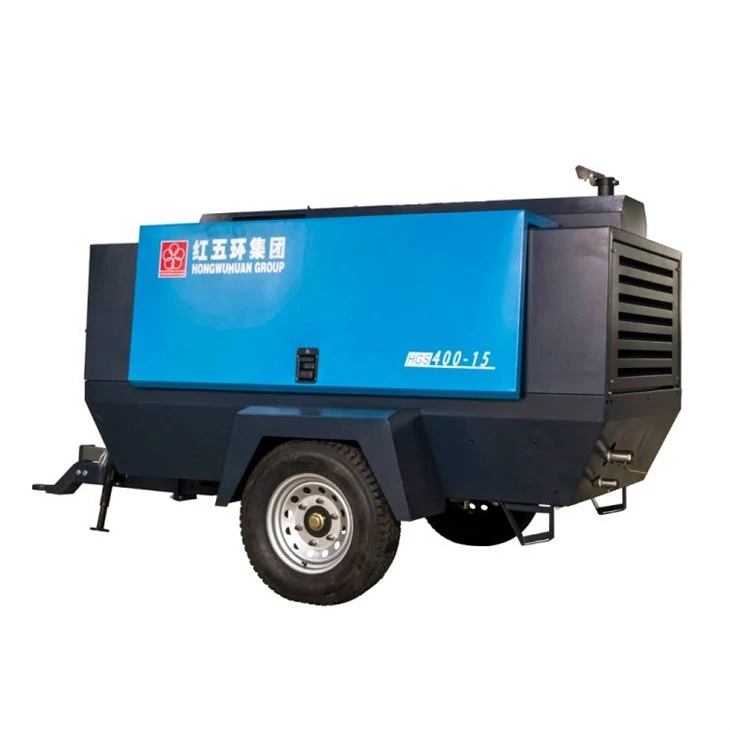
As a supplier, we offer a wide range of screw air compressors to meet different needs. Our Low noise Screw air compressor is perfect for environments where noise is a concern. Whether you need a portable unit for on - site work or a stationary one for a factory, we have the right compressor for you.
If you're interested in our products or have any questions about cleaning or maintaining your screw air compressor, don't hesitate to reach out. We're here to help you make the most of your compressor and ensure that it runs smoothly for years to come. Contact us for more information and to start a procurement discussion.

References
- Compressor Manufacturer's Manuals
- Industry Best Practices for Air Compressor Maintenance