Hey there! As a supplier of pneumatic rock drilling rigs, I've seen firsthand how different applications call for different types of these rigs. In this blog, I'm gonna break down the key differences between pneumatic rock drilling rigs for various uses.
Mining Applications
When it comes to mining, the demands on pneumatic rock drilling rigs are pretty intense. Mines can have all sorts of rock formations, from soft limestone to super-hard granite. So, the rigs need to be powerful and reliable.
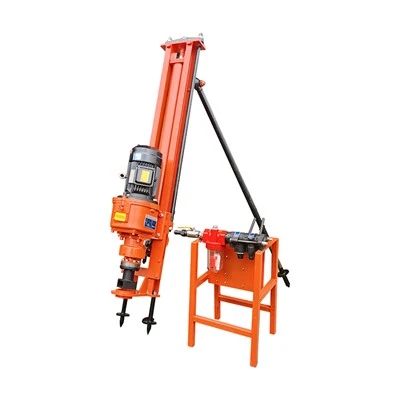
For underground mining, space is often limited. That's where hand held rock drilling equipment comes in handy. These rigs are lightweight and easy to maneuver in tight spaces. Miners can use them to drill holes for blasting or installing support structures. They're usually operated by a single person, which is great for efficiency in small - scale operations.
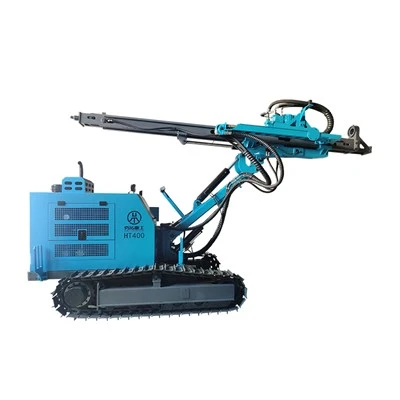
On the other hand, in large - scale open - pit mining, we need something more heavy - duty. Big pneumatic rock drilling rigs are designed to drill deep and large - diameter holes quickly. These rigs are mounted on trucks or crawlers for mobility around the mine site. They can handle the tough job of breaking up large rock masses, and they're often used in combination with other mining equipment like excavators and haul trucks.
Construction Applications
In the construction industry, pneumatic rock drilling rigs are used for a variety of tasks. For building foundations, we often use rigs that can drill precise holes for piles. These rigs need to be accurate and able to work in different soil and rock conditions.
If you're working on a small construction project, like a residential building, mini pneumatic drill might be the way to go. These are compact and easy to transport, making them ideal for sites with limited access. They can drill holes for footings or for installing small - scale utilities.
For larger construction projects, such as high - rise buildings or bridges, more powerful rigs are required. These rigs can drill deeper and wider holes to support the heavy loads of the structures. They also need to be stable and have advanced control systems to ensure the accuracy of the drilling.
Quarrying Applications
Quarrying is all about extracting large blocks of stone or rock. Pneumatic rock drilling rigs play a crucial role in this process. They're used to drill holes along the edges of the rock mass to create a line of weakness. Then, explosives can be placed in these holes to break the rock into manageable pieces.
In quarries, the rigs need to be able to drill straight and parallel holes over long distances. Some quarrying rigs are designed with special features to ensure the accuracy of the drilling, like laser - guided systems. They also need to be durable, as they'll be operating in a harsh environment with lots of dust and debris.
Geothermal and Water Well Drilling
When it comes to geothermal and water well drilling, the requirements for pneumatic rock drilling rigs are a bit different. For water well drilling, the rigs need to be able to drill through different layers of soil and rock to reach the water table. They need to be able to handle various types of formations, from sandy soils to hard bedrock.
Small down the hole drilling rigs are often used for this purpose. They're relatively small and can be set up quickly on site. They're also cost - effective for small - to medium - sized water well projects.
In geothermal drilling, the rigs need to drill deeper to reach the geothermal energy sources. These rigs need to have high - pressure air systems to remove the cuttings from the hole and keep the drill bit cool. They also need to be able to handle the high temperatures and pressures associated with geothermal wells.
Key Differences in Design and Features
One of the main differences between pneumatic rock drilling rigs for different applications is the power source. Some rigs are powered by compressed air, while others may have additional power sources like hydraulic systems. Compressed air - powered rigs are often more suitable for applications where portability and simplicity are important, like small - scale construction or mining.
The drill bit is another important factor. Different applications require different types of drill bits. For example, in soft rock formations, a simple carbide - tipped bit might be sufficient. But in hard rock, more advanced diamond - impregnated or tungsten - carbide bits are needed. These bits can withstand the high forces and abrasion during the drilling process.
The size and weight of the rigs also vary depending on the application. Smaller rigs are more portable but may have limited drilling capabilities, while larger rigs can drill deeper and wider holes but are less maneuverable.
Maintenance and Safety Considerations
Regardless of the application, proper maintenance of pneumatic rock drilling rigs is essential. Regular inspections of the air compressor, drill bit, and other components can prevent breakdowns and ensure the safety of the operators.


Safety is also a top priority. All rigs should be equipped with safety features like guards, emergency stop buttons, and proper ventilation systems. Operators should be trained on how to use the rigs safely and follow all safety protocols.
In conclusion, there are significant differences between pneumatic rock drilling rigs for different applications. Each type of rig is designed to meet the specific needs of the industry it serves. Whether you're in mining, construction, quarrying, or well - drilling, choosing the right rig is crucial for the success of your project.
If you're in the market for a pneumatic rock drilling rig for your specific application, don't hesitate to reach out to us. We have a wide range of rigs to choose from, and our team of experts can help you find the perfect one for your needs. Let's start a conversation about your project and see how we can assist you.
References
- "Rock Drilling Handbook" - Various industry - specific research materials have been consulted to gather information on the different applications of pneumatic rock drilling rigs and their design features.
- Industry reports from mining, construction, quarrying, and well - drilling associations have provided insights into the current trends and requirements for these rigs in different sectors.