Hey there! As a supplier of hand held rock drills, I know firsthand how important it is to ensure the safety of operators when using these powerful tools. In this blog post, I'll share some tips and best practices that can help keep your team safe while working with hand held rock drills.
First things first, let's talk about the importance of proper training. Before anyone uses a hand held rock drill, they should receive comprehensive training on how to operate it safely. This training should cover everything from the basic functions of the drill to more advanced techniques for handling different types of rock. It's also important to make sure that operators are familiar with the safety features of the drill, such as the emergency stop button and the vibration dampening system.
Another key aspect of ensuring operator safety is to provide the right personal protective equipment (PPE). This includes items like safety glasses, earplugs, hard hats, and gloves. Safety glasses protect the eyes from flying debris, while earplugs help reduce the risk of hearing loss from the loud noise generated by the drill. Hard hats protect the head from falling rocks or other objects, and gloves provide a better grip on the drill and protect the hands from cuts and abrasions.
In addition to PPE, it's also important to make sure that the work area is safe. This means clearing the area of any obstacles or hazards that could cause the operator to trip or fall. It's also important to make sure that the ground is stable and level, as uneven ground can make it difficult to control the drill and increase the risk of accidents.

When using a hand held rock drill, it's important to follow the manufacturer's instructions carefully. This includes using the right drill bit for the type of rock you're working with, as well as following the recommended drilling speed and pressure. Using the wrong drill bit or applying too much pressure can cause the drill to overheat or break, which can be dangerous for the operator.
It's also important to take regular breaks when using a hand held rock drill. The vibrations and noise generated by the drill can be tiring, and taking breaks can help prevent fatigue and reduce the risk of accidents. It's a good idea to take a break every 20-30 minutes and stretch your muscles to help relieve the tension.
Now, let's talk about some specific types of hand held rock drills and how to ensure their safe use.
Small Down the Hole Drilling
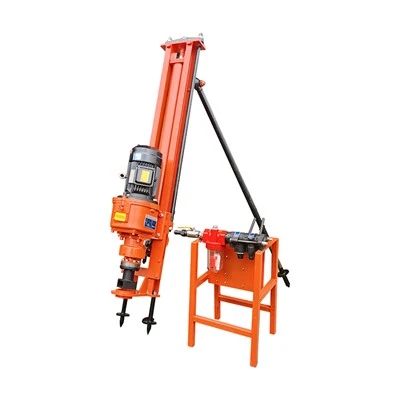
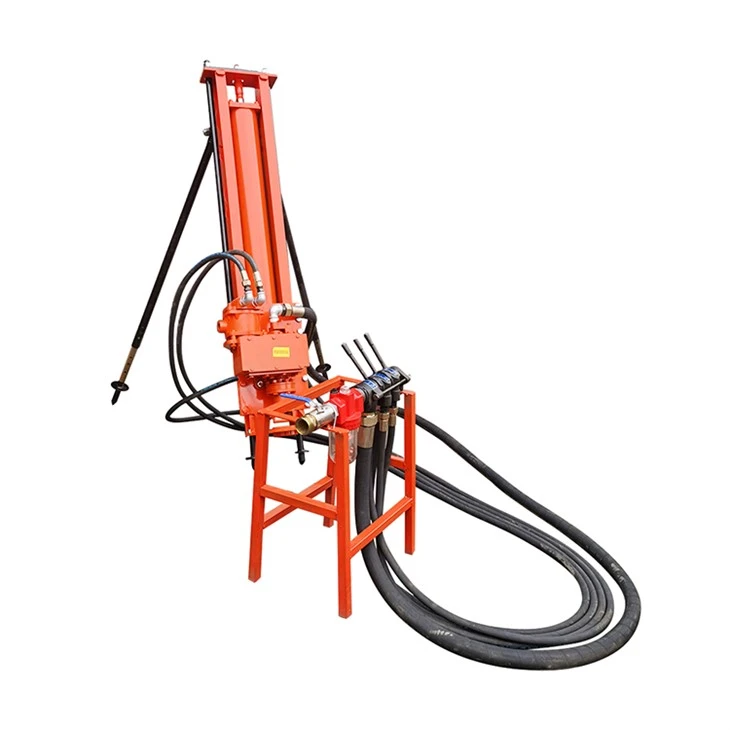
Small down the hole drilling is a popular method for drilling small holes in rock. These drills are typically used for applications like mining, construction, and geotechnical exploration. When using a small down the hole drill, it's important to make sure that the drill is properly secured to the ground. This can be done using a tripod or other type of support system. It's also important to make sure that the drill bit is properly aligned and that the drill is operating at the correct speed and pressure.
Pneumatic Air Leg Rock Drill
Pneumatic air leg rock drills are another popular type of hand held rock drill. These drills are powered by compressed air and are typically used for applications like tunneling, mining, and quarrying. When using a pneumatic air leg rock drill, it's important to make sure that the air supply is clean and dry. Contaminated air can cause the drill to malfunction or break, which can be dangerous for the operator. It's also important to make sure that the air leg is properly adjusted and that the drill is operating at the correct pressure.
Hand Held Rock Drilling Equipment
Hand held rock drilling equipment comes in a variety of shapes and sizes, and is used for a wide range of applications. When using hand held rock drilling equipment, it's important to make sure that the drill is properly maintained. This includes regularly cleaning the drill, lubricating the moving parts, and replacing any worn or damaged parts. It's also important to make sure that the drill is stored in a safe and dry place when not in use.
In conclusion, ensuring the safety of operators when using a hand held rock drill is essential. By providing proper training, the right PPE, a safe work area, and following the manufacturer's instructions, you can help reduce the risk of accidents and keep your team safe. If you're in the market for a hand held rock drill, I encourage you to contact us to learn more about our products and how we can help you ensure the safety of your operators. We're here to help you find the right drill for your needs and provide you with the support and resources you need to use it safely.
References
- Manufacturer's manuals for hand held rock drills
- Occupational Safety and Health Administration (OSHA) guidelines for rock drilling
- Industry best practices for hand held rock drill safety