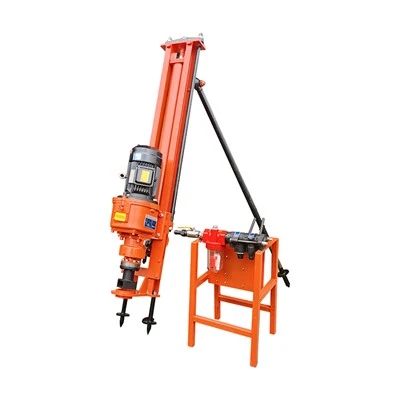
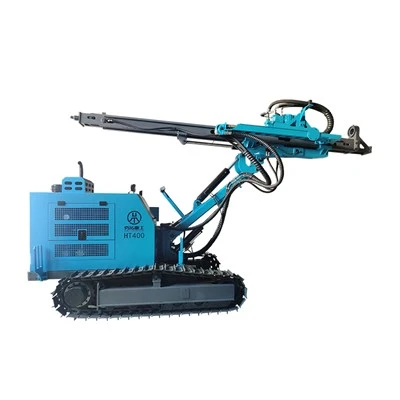
Hey there! As a supplier of water well drilling equipment, I often get asked about the productivity of these machines. In this blog, I'll break down what productivity means in the context of water well drilling equipment, factors that affect it, and how you can get the most out of your rig.
What Does Productivity Mean for Water Well Drilling Equipment?
When we talk about the productivity of water well drilling equipment, we're essentially looking at how efficiently it can drill a well. This includes several key aspects:
Drilling Speed
The speed at which the rig can penetrate the ground is a major factor. A faster - drilling rig can complete a well in less time, allowing you to take on more projects. For example, a high - performance groundwater drilling rig might be able to drill through soft rock at a rate of several meters per hour, while a less powerful one could take much longer.
Depth Capacity
How deep the rig can drill is also crucial. Some projects require wells that are only a few dozen meters deep, while others may need to reach hundreds of meters. A rig with a greater depth capacity gives you the flexibility to handle a wider range of jobs. Our truck mounted water well drilling rig is designed to reach significant depths, making it suitable for both small - scale and large - scale projects.
Hole Diameter
The diameter of the hole the rig can create is another important consideration. Different applications may require different hole sizes. For instance, a well for domestic use might only need a relatively small diameter, while an industrial well could require a much larger one. A versatile rig should be able to adjust the hole diameter as needed.
Reliability
A reliable rig is more productive in the long run. If a rig breaks down frequently, it not only wastes time on repairs but also disrupts your project schedule. Our Trailers Type Water Well Drilling Rig is built with high - quality components to ensure maximum reliability and minimize downtime.
Factors Affecting the Productivity of Water Well Drilling Equipment
Geological Conditions
The type of ground you're drilling through has a huge impact on productivity. Soft soil and sand are much easier to drill through than hard rock. For example, drilling through clay might be relatively quick, but when you hit granite, the drilling speed can slow down significantly. You may need to use different drilling techniques and tools depending on the geology.
Rig Specifications
The specifications of the rig itself play a vital role. Things like the power of the engine, the type of drilling method (e.g., rotary, percussion), and the quality of the drill bits all affect how well the rig performs. A more powerful engine can drive the drill more effectively, and high - quality drill bits can cut through the ground more efficiently.
Operator Skill
An experienced and skilled operator can make a big difference in the productivity of the rig. They know how to adjust the drilling parameters, handle different geological conditions, and troubleshoot problems quickly. Proper training for operators is essential to ensure optimal performance.
Maintenance
Regular maintenance is key to keeping the rig running at its best. This includes checking and replacing worn - out parts, lubricating moving components, and ensuring that all systems are functioning properly. Neglecting maintenance can lead to reduced productivity and even major breakdowns.
How to Maximize the Productivity of Your Water Well Drilling Equipment
Choose the Right Rig
Selecting the right rig for the job is the first step. Consider the depth, diameter, and geological conditions of the project. If you're mainly working on shallow wells in soft soil, a smaller, more portable rig might be sufficient. But for deep - well projects in hard rock, you'll need a more powerful and heavy - duty rig.
Train Your Operators
Invest in training for your operators. Make sure they understand the rig's operation, safety procedures, and how to handle different situations. Regular refresher courses can also help keep their skills up - to - date.
Plan Ahead
Before starting a project, conduct a thorough site survey to understand the geological conditions. This will help you choose the right drilling method and tools. Having a detailed plan can also help you avoid unexpected delays.
Keep Up with Maintenance
Establish a regular maintenance schedule and stick to it. This will help prevent breakdowns and ensure that the rig is always in top condition. Keep a stock of common replacement parts on hand so you can quickly address any issues that arise.
Conclusion
The productivity of water well drilling equipment is a combination of many factors, including drilling speed, depth capacity, reliability, and more. By understanding these factors and taking steps to maximize productivity, you can get the most out of your rig and complete projects more efficiently.
If you're in the market for water well drilling equipment or want to discuss how to improve the productivity of your existing rig, don't hesitate to reach out. We're here to help you find the best solutions for your needs. Whether you're a small - scale contractor or a large - scale drilling company, we have the right equipment and expertise to support your projects.


References
- "Drilling Engineering Handbook"
- Industry reports on water well drilling equipment performance