Can a Mini Rock Drilling Machine be Used for Oil and Gas Exploration?
As a supplier of mini rock drilling machines, I often encounter questions from clients regarding the suitability of our products for various applications, including oil and gas exploration. This blog post aims to delve into the feasibility of using mini rock drilling machines in the oil and gas sector, exploring their capabilities, limitations, and potential benefits.
Understanding Mini Rock Drilling Machines
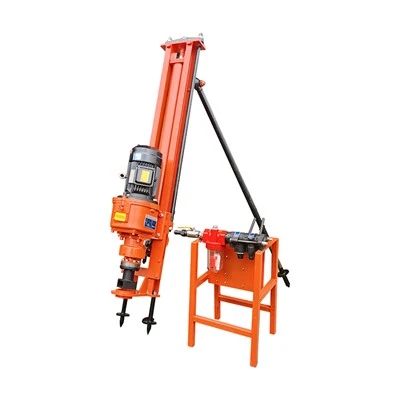
Mini rock drilling machines are compact, lightweight, and highly maneuverable pieces of equipment designed for drilling in hard rock formations. They come in various types, such as mini pneumatic drill and small down the hole drilling, each with its own unique features and advantages. These machines are typically powered by compressed air, hydraulic systems, or electric motors, and they are capable of drilling holes of different diameters and depths.
One of the key advantages of mini rock drilling machines is their portability. They can be easily transported to remote locations, making them ideal for exploration projects in areas with limited access. Additionally, their small size allows them to operate in confined spaces, such as underground mines or urban areas, where larger drilling equipment may not be feasible.
The Requirements of Oil and Gas Exploration
Oil and gas exploration is a complex and challenging process that involves the search for hydrocarbon reserves beneath the Earth's surface. This process typically requires the use of specialized drilling equipment capable of reaching great depths and withstanding high pressures and temperatures.
The drilling process in oil and gas exploration can be divided into two main stages: exploration drilling and production drilling. Exploration drilling is used to identify potential hydrocarbon reserves, while production drilling is used to extract the oil and gas from the reservoir.
During exploration drilling, geologists and engineers use a variety of techniques to locate potential hydrocarbon deposits. This may include seismic surveys, well logging, and core sampling. Once a potential reservoir has been identified, a drilling rig is used to drill a test well to confirm the presence of oil or gas.
Production drilling, on the other hand, involves the use of larger, more powerful drilling rigs to extract the oil and gas from the reservoir. These rigs are typically capable of drilling holes with diameters ranging from a few inches to several feet and depths of up to several miles.
Can Mini Rock Drilling Machines be Used for Oil and Gas Exploration?
While mini rock drilling machines have many advantages, their suitability for oil and gas exploration depends on several factors, including the depth and diameter of the well, the type of rock formation, and the specific requirements of the exploration project.
In general, mini rock drilling machines are not suitable for deep well drilling in the oil and gas industry. The maximum depth that these machines can typically reach is limited to a few hundred feet, which is far less than the depths required for most oil and gas exploration projects. Additionally, the small diameter of the holes drilled by mini rock drilling machines may not be sufficient for the installation of production casing and other equipment required for oil and gas extraction.
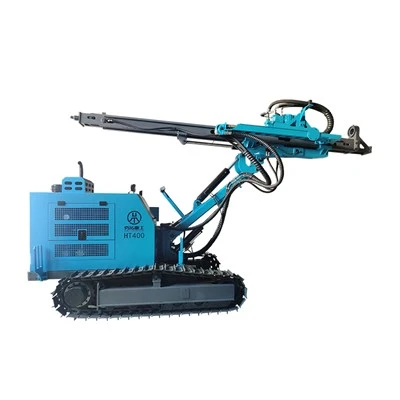
However, mini rock drilling machines can be used for certain aspects of oil and gas exploration, such as shallow well drilling for environmental monitoring, geothermal exploration, or the installation of small-scale production wells in areas with low hydrocarbon reserves. For example, Integrated Open-pit Down-the-hole Drill Rig can be used for surface exploration in open-pit mines or for the installation of monitoring wells in areas with potential hydrocarbon contamination.
Another potential application of mini rock drilling machines in oil and gas exploration is in the collection of core samples. Core samples are cylindrical sections of rock that are extracted from the subsurface using a core drill. These samples provide valuable information about the geological structure and properties of the rock formation, which can help geologists and engineers to identify potential hydrocarbon reserves.
Mini rock drilling machines can be used to collect core samples from shallow depths, which can be used for preliminary exploration or for the validation of seismic data. The small size and portability of these machines make them ideal for collecting core samples in remote or difficult-to-access locations.
Advantages of Using Mini Rock Drilling Machines in Oil and Gas Exploration
Despite their limitations, there are several advantages to using mini rock drilling machines in oil and gas exploration:
- Cost-effectiveness: Mini rock drilling machines are generally less expensive to purchase and operate than larger drilling rigs. This can significantly reduce the cost of exploration projects, especially in the early stages when the potential for hydrocarbon reserves is still uncertain.
- Flexibility: Mini rock drilling machines can be easily adapted to different drilling conditions and requirements. They can be equipped with different types of drill bits and accessories to suit the specific needs of the project, making them a versatile option for exploration projects.
- Environmental friendliness: Mini rock drilling machines are typically more environmentally friendly than larger drilling rigs. They produce less noise, vibration, and emissions, which can help to minimize the impact on the environment and local communities.
Limitations of Using Mini Rock Drilling Machines in Oil and Gas Exploration
While mini rock drilling machines have many advantages, they also have several limitations that need to be considered when using them for oil and gas exploration:
- Limited depth and diameter: As mentioned earlier, mini rock drilling machines are not suitable for deep well drilling in the oil and gas industry. Their maximum depth and diameter capabilities are limited, which may restrict their use to shallow wells or small-scale exploration projects.
- Lower drilling efficiency: Mini rock drilling machines generally have lower drilling efficiency than larger drilling rigs. They may take longer to drill a hole of a given diameter and depth, which can increase the overall cost and time of the exploration project.
- Lack of advanced technology: Mini rock drilling machines may not be equipped with the same advanced technology and features as larger drilling rigs. This may limit their ability to perform complex drilling operations or to collect accurate data during the drilling process.
Conclusion
In conclusion, while mini rock drilling machines have many advantages, their suitability for oil and gas exploration depends on several factors. While they may not be suitable for deep well drilling or large-scale production, they can be a cost-effective and flexible option for certain aspects of exploration, such as shallow well drilling, environmental monitoring, and core sampling.


If you are considering using mini rock drilling machines for your oil and gas exploration project, it is important to consult with a qualified drilling engineer or geologist to determine the most appropriate equipment and techniques for your specific needs. Additionally, it is important to ensure that the equipment is properly maintained and operated to ensure its safety and reliability.
If you have any questions or would like to discuss the potential use of our mini rock drilling machines for your oil and gas exploration project, please do not hesitate to contact us. Our team of experts is available to provide you with more information and to help you find the right solution for your needs.
References
- American Petroleum Institute (API). (2019). API Recommended Practice 7G: Drilling Equipment Inspection, Maintenance, Repair, and Reconditioning.
- Society of Petroleum Engineers (SPE). (2020). SPE Drilling Engineering Handbook.
- International Association of Drilling Contractors (IADC). (2021). IADC Drilling Manual.