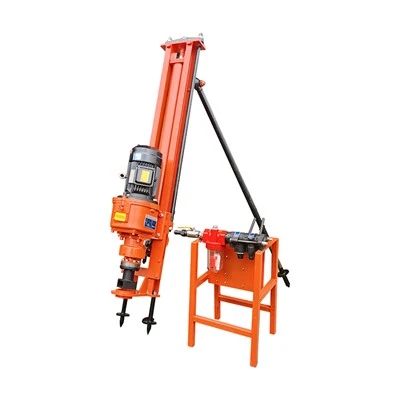
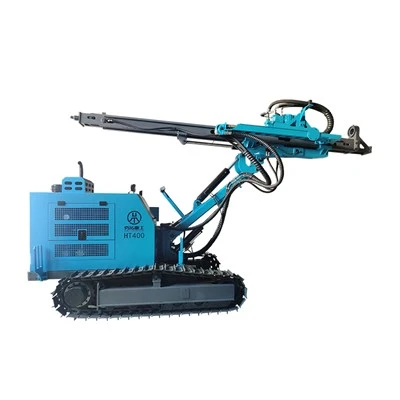
As a supplier of air rock drills, I understand the importance of proper storage for these powerful tools. Air rock drills are essential equipment in various industries such as mining, construction, and quarrying. Ensuring they are stored correctly not only extends their lifespan but also maintains their performance and safety. In this blog, I'll share some valuable insights on how to store an air rock drill effectively.
Clean the Drill Thoroughly Before Storage
Before putting the air rock drill into storage, it's crucial to clean it thoroughly. During operation, the drill accumulates dust, debris, and often some lubricants. First, disconnect the drill from the air supply. Use a brush to remove loose dirt and debris from the exterior of the drill. Pay special attention to the air intake and exhaust ports, as blockages can affect the drill's performance.
For more stubborn dirt, you can use a mild cleaning solution and a cloth to wipe down the drill body. Avoid getting excessive moisture inside the drill, as this can lead to corrosion. After cleaning, use compressed air to blow out any remaining particles from the internal passages. This step is vital as dirt and debris left inside the drill can cause wear and tear on moving parts during storage and subsequent use.
Lubricate the Moving Parts
Proper lubrication is key to keeping the air rock drill in good condition during storage. Lubricants prevent rust and corrosion and ensure that the moving parts remain smooth and functional. Refer to the manufacturer's instructions for the recommended lubricant type and application method.
Typically, you'll need to lubricate the piston, valves, and other critical components. Use a high - quality air tool oil and apply it according to the specified intervals. For example, some drills may require a few drops of oil to be added through the air inlet before storage. This small amount of lubrication can make a big difference in preventing damage over time.
Choose the Right Storage Environment
The storage environment plays a significant role in the longevity of an air rock drill. The ideal storage location should be dry, clean, and well - ventilated. Moisture is one of the biggest enemies of air rock drills, as it can cause rust and corrosion on metal parts.
Avoid storing the drill in areas prone to flooding, high humidity, or direct exposure to the elements. If possible, store the drill in a climate - controlled room with a stable temperature and humidity level. A temperature range of 50°F - 70°F (10°C - 21°C) and a relative humidity below 60% is generally recommended.
Protect the Drill from Physical Damage
During storage, the air rock drill should be protected from physical damage. This can be achieved by storing it in a suitable container or on a dedicated rack. If using a container, make sure it is sturdy enough to withstand any potential impacts. You can line the container with soft padding to further protect the drill.
If storing on a rack, ensure that the drill is securely held in place to prevent it from falling or being knocked over. Avoid stacking heavy objects on top of the drill, as this can cause deformation or damage to its components.
Check and Maintain the Accessories
Air rock drills often come with various accessories such as drill bits, hoses, and couplings. These accessories should also be properly stored and maintained. Clean and lubricate the drill bits in the same way as the drill itself. Store them in a separate container or a dedicated bit holder to prevent them from getting damaged or lost.
Inspect the hoses and couplings for any signs of wear, cracks, or leaks. Replace any damaged parts before storage. Coil the hoses neatly and store them in a way that they won't be kinked or crushed.
Consider Using a Storage Cover
A storage cover can provide an extra layer of protection for the air rock drill. It can prevent dust, dirt, and moisture from settling on the drill during storage. There are various types of covers available, including custom - made covers designed specifically for air rock drills.
When choosing a cover, make sure it is made of a durable and breathable material. A breathable cover allows air to circulate around the drill, reducing the risk of condensation.
Regularly Inspect the Stored Drill
Even when the air rock drill is in storage, it's important to conduct regular inspections. Set a schedule to check the drill every few months. Look for any signs of rust, corrosion, or damage. Check the lubrication levels and re - apply lubricant if necessary.
Inspect the hoses, couplings, and other accessories for any changes. If you notice any issues during the inspection, address them immediately to prevent further damage.
Different Types of Air Rock Drills and Their Storage Considerations
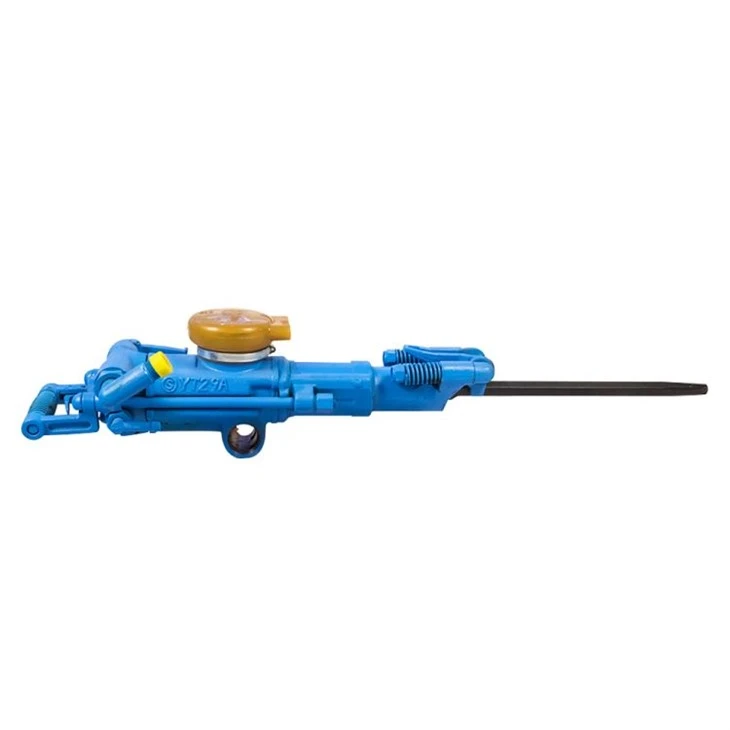
There are different types of air rock drills, such as small down the hole drilling, pneumatic air leg rock drill, and hand held rock drilling equipment. Each type may have specific storage requirements.
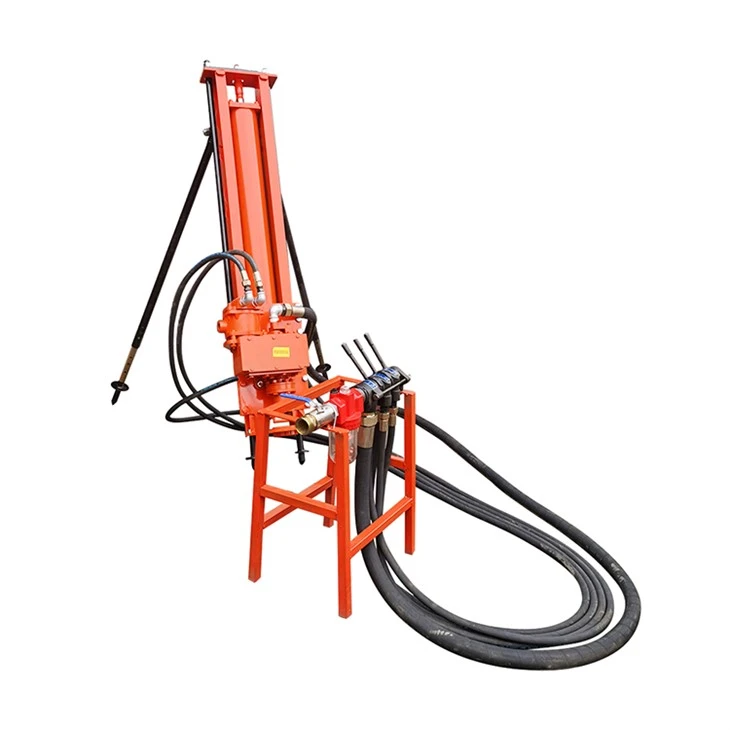
Small down - the - hole drills are often used for more precise and deep - drilling applications. They may have more delicate components, so extra care should be taken during storage. Ensure that the drill rods are properly cleaned and stored in a straight position to prevent bending.
Pneumatic air leg rock drills have an air leg component that needs to be stored separately or in a way that it doesn't get damaged. Check the air leg for any signs of leaks or damage and store it in a protected area.
Hand - held rock drilling equipment is more portable but still requires proper storage. Since it is often used in different locations, it may be more exposed to dirt and debris. Make sure to clean it thoroughly before storage and store it in a case to protect it from impacts.
Conclusion
Proper storage of an air rock drill is essential for maintaining its performance, extending its lifespan, and ensuring safety. By following the steps outlined in this blog, including cleaning, lubricating, choosing the right storage environment, protecting from physical damage, and regularly inspecting the drill, you can keep your air rock drill in optimal condition.
If you are in the market for high - quality air rock drills or need more information on their storage and maintenance, feel free to reach out to us. We are a leading supplier of air rock drills and can provide you with the best products and advice. Contact us today to start a procurement discussion and find the perfect air rock drill for your needs.
References
- Manufacturer's manuals for air rock drills
- Industry standards and best practices for tool storage