Can a hand rock drill be used for drilling in granite? This is a question that often comes up among those involved in the construction, mining, and stone - working industries. As a hand rock drill supplier, I'm here to provide a comprehensive answer based on the scientific and practical aspects of this topic.
Granite is a well - known igneous rock. It is characterized by its hardness, durability, and coarse - grained texture. The hardness of granite is typically around 6 to 7 on the Mohs scale, which means it is quite resistant to scratching and abrasion. This high hardness is due to its composition, mainly consisting of quartz, feldspar, and mica. When it comes to drilling in granite, the properties of the rock present significant challenges.
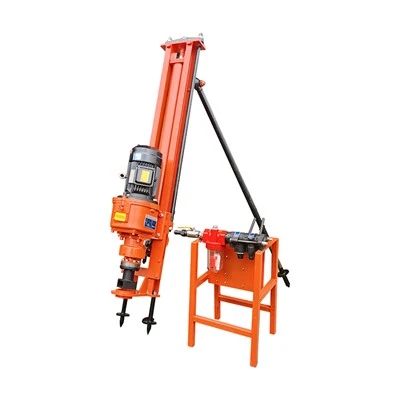
Hand rock drills are a popular choice in many applications because of their portability, ease of use, and relatively low cost. There are different types of hand rock drills, including pneumatic, electric, and hydraulic ones. Pneumatic hand rock drills, for example, are powered by compressed air, which makes them suitable for use in various environments, especially in areas where electricity may not be readily available.
The key factors that determine whether a hand rock drill can be used for drilling in granite are the power and performance of the drill, the type of drill bit, and the operator's skill.
Let's first consider the power and performance of the hand rock drill. The power of a hand rock drill is measured in terms of its impact energy and rotation speed. To effectively drill through granite, a drill needs to have sufficient impact energy to break the hard rock and a proper rotation speed to remove the cuttings. Some high - quality hand rock drills are designed with high - impact mechanisms that can generate enough force to penetrate granite. However, it's important to note that the power of hand rock drills is generally limited compared to larger, stationary drilling machines.
The type of drill bit is also crucial. For granite drilling, carbide - tipped drill bits are often the best choice. Carbide is a very hard material that can withstand the high - pressure and abrasion associated with drilling in granite. These drill bits are designed with sharp cutting edges that can chip away at the granite as the drill rotates and impacts. The shape and design of the drill bit also play a role. For example, a drill bit with a proper flute design can help in better removal of the cuttings, preventing them from clogging the hole and reducing the efficiency of the drilling process.
Operator skill cannot be overlooked. Drilling in granite requires patience, proper technique, and experience. An experienced operator knows how to apply the right amount of pressure, adjust the drilling speed, and change the drill bit when necessary. They can also detect problems such as overheating of the drill or bit wear and take appropriate measures to ensure the smooth progress of the drilling operation.
Now, let's look at the advantages and limitations of using a hand rock drill for granite drilling.
Advantages:
- Portability: Hand rock drills are easy to carry around, which is very useful for small - scale projects or work in remote locations. For example, if you need to drill a few holes in a granite monument in a park, a hand rock drill can be easily transported to the site.
- Cost - effective: Compared to large - scale drilling equipment, hand rock drills are relatively inexpensive. This makes them a viable option for small businesses or DIY enthusiasts who don't have a large budget for equipment.
- Versatility: Hand rock drills can be used for various other applications besides granite drilling. They can be used for drilling in concrete, limestone, and other types of rocks.
Limitations:
- Limited power: As mentioned earlier, the power of hand rock drills is limited. This means that they may take longer to drill through thick or hard granite compared to larger drilling machines.
- Fatigue: Operating a hand rock drill for an extended period can be physically tiring for the operator. The vibrations and the effort required to hold the drill can cause fatigue, which may affect the quality of the drilling.
- Depth limitations: Hand rock drills are generally not suitable for drilling very deep holes in granite. The limited power and the difficulty in maintaining the stability of the drill make it challenging to drill holes deeper than a certain depth.
If you're considering using a hand rock drill for granite drilling, here are some tips:
- Choose the right drill: Select a hand rock drill with sufficient power and performance for the task. You can refer to the product specifications provided by the manufacturer to determine if the drill is suitable for granite drilling. We offer a wide range of hand held rock drilling equipment that are designed to meet different needs.
- Use the correct drill bit: Invest in high - quality carbide - tipped drill bits. Make sure to choose the right size and design of the drill bit for the job.
- Take breaks: To avoid operator fatigue, take regular breaks during the drilling process. This will also help in maintaining the efficiency and accuracy of the drilling.
- Lubrication: Use a suitable lubricant during the drilling process. This can reduce friction, prevent overheating of the drill bit, and extend its lifespan.
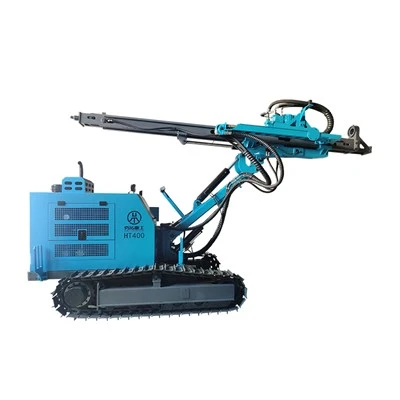
In addition to traditional hand rock drills, we also offer mini pneumatic drill and small down the hole drilling equipment. These products are designed with advanced technology to provide better performance and efficiency, especially for granite drilling.


In conclusion, a hand rock drill can be used for drilling in granite, but it has its limitations. With the right equipment, drill bits, and operator skill, it can be a practical solution for small - scale granite drilling projects. If you're interested in our hand rock drills or other related products, we welcome you to contact us for more information and to discuss your specific needs. We are committed to providing high - quality products and excellent customer service to help you achieve your drilling goals.
References
- "Rock Mechanics and Engineering: Principles and Practice" by E. Hoek and J. W. Bray
- "Drilling and Blasting of Rocks" by O. O. Ouchterlony