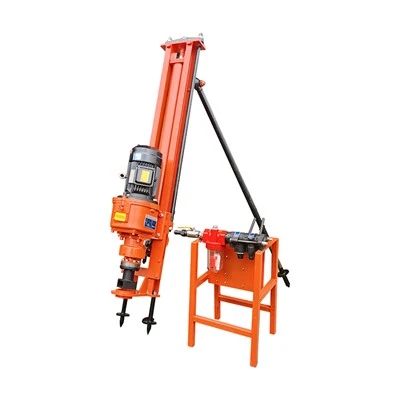
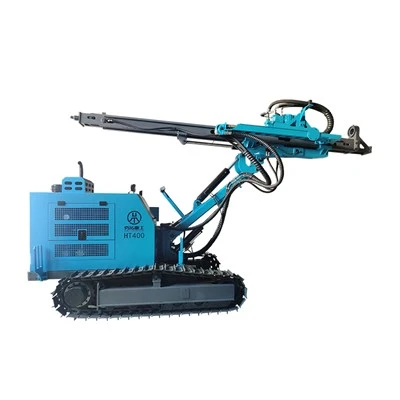
As a supplier of DTH (Down - the - Hole) hammers, I've received numerous inquiries about the feasibility of using DTH hammers in high - altitude areas. This is a crucial question for many mining, construction, and exploration projects that are often located in mountainous regions or high - elevation plateaus. In this blog, I'll delve into the technical aspects, challenges, and solutions regarding the use of DTH hammers in high - altitude areas.
Understanding DTH Hammers
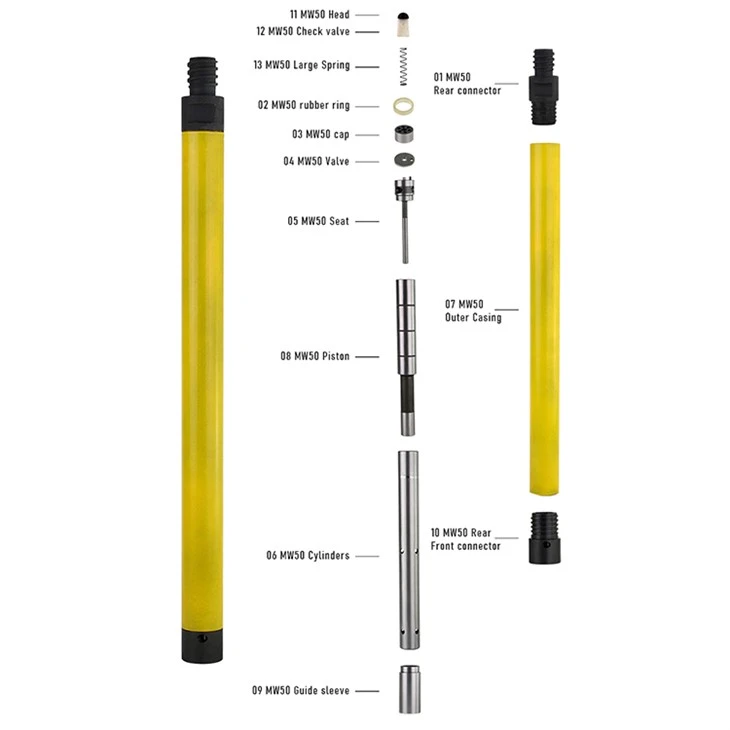
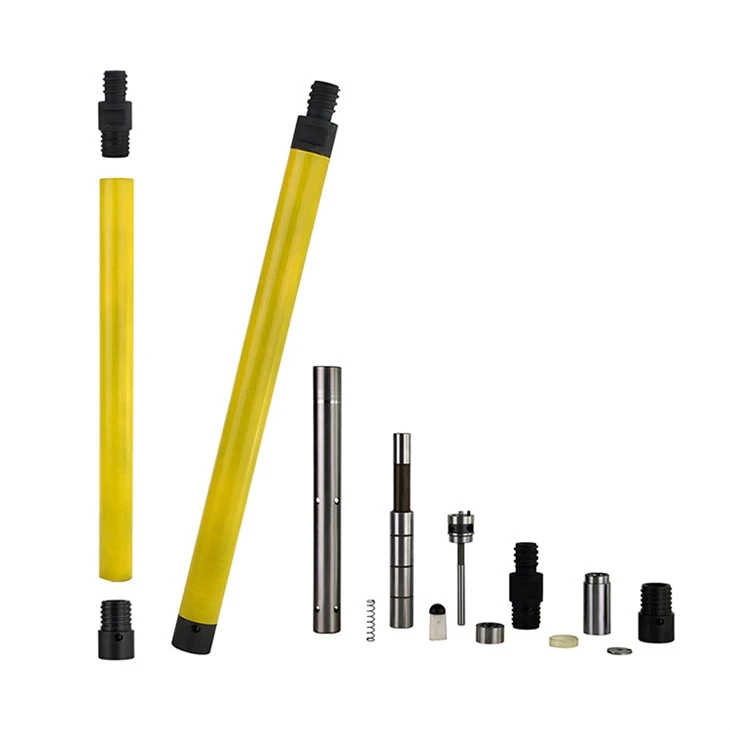
Before we discuss the application in high - altitude areas, let's briefly understand what DTH hammers are. DTH hammers are powerful drilling tools used in various industries such as mining, quarrying, and geotechnical exploration. They work by delivering high - frequency impacts to the drill bit, which helps break through hard rock and other tough materials. There are different types of DTH hammers available, including medium air pressure dth hammer, Low Pressure Down - the - hole Hammer, and high air pressure dth hammer. Each type is designed to meet specific drilling requirements based on factors like rock hardness, drilling depth, and air supply capacity.
Challenges of Using DTH Hammers in High - Altitude Areas
Reduced Air Density
One of the most significant challenges in high - altitude areas is the reduced air density. As altitude increases, the air becomes thinner, which means there are fewer air molecules per unit volume. DTH hammers rely on compressed air to operate. The compressed air drives the piston inside the hammer, creating the impact force needed to break the rock. With lower air density, the amount of air available to power the hammer is reduced. This can lead to a decrease in the hammer's impact energy and efficiency, resulting in slower drilling rates.
Temperature Variations
High - altitude areas often experience extreme temperature variations. During the day, the sun can heat up the surface, while at night, the temperature can drop significantly. These temperature changes can affect the performance of the DTH hammer. For example, cold temperatures can cause the lubricants used in the hammer to thicken, increasing friction and reducing the hammer's movement. On the other hand, high temperatures can lead to overheating of the hammer components, potentially causing damage.
Altitude - Related Wear and Tear
The harsh environmental conditions in high - altitude areas, such as strong winds, dust, and abrasive particles, can accelerate the wear and tear of DTH hammers. The dust and sand particles can enter the hammer's internal components, causing abrasion and reducing the lifespan of the parts. Additionally, the reduced air density can also affect the cooling of the hammer, leading to increased thermal stress on the components.
Solutions to Overcome Challenges
Adjusting Air Supply
To compensate for the reduced air density at high altitudes, it is necessary to adjust the air supply system. This may involve increasing the air compressor capacity or using a more efficient compressor. By providing a higher volume of compressed air, the DTH hammer can maintain its impact energy and drilling efficiency. Some advanced air compressors are designed to automatically adjust the air output based on the altitude and ambient conditions, ensuring optimal performance of the DTH hammer.
Using Special Lubricants
To address the temperature variations in high - altitude areas, special lubricants should be used. These lubricants are formulated to maintain their viscosity over a wide range of temperatures. They can prevent the thickening of the lubricant in cold temperatures and provide adequate lubrication to reduce friction and wear. Additionally, some lubricants have anti - corrosion properties, which can protect the hammer components from the harsh environmental conditions.
Protecting the Hammer
To minimize the impact of dust and abrasive particles, protective measures should be taken. This can include using dust covers and filters on the DTH hammer. The dust covers can prevent large particles from entering the hammer, while the filters can remove smaller particles from the compressed air. Regular maintenance and cleaning of the hammer are also essential to remove any accumulated dust and debris.
Case Studies
There have been several successful projects where DTH hammers were used in high - altitude areas. For example, in a mining project located at an altitude of over 4000 meters, the drilling team faced challenges due to the reduced air density and extreme temperature variations. By using a high - capacity air compressor and special lubricants, they were able to achieve satisfactory drilling rates. The protective measures implemented, such as dust covers and filters, also helped to extend the lifespan of the DTH hammers.
Conclusion
In conclusion, DTH hammers can be used in high - altitude areas, but it requires careful consideration of the challenges and the implementation of appropriate solutions. With the right adjustments to the air supply system, the use of special lubricants, and protective measures, DTH hammers can perform effectively in high - altitude environments. As a DTH hammer supplier, we have the expertise and products to help you overcome these challenges. If you are planning a project in a high - altitude area and need a reliable DTH hammer solution, please feel free to contact us for more information and to discuss your specific requirements. We are committed to providing you with the best - in - class DTH hammers and support to ensure the success of your project.
References
- Engineering textbooks on drilling technology
- Industry reports on high - altitude drilling projects
- Technical documents from DTH hammer manufacturers