Drill pipe sticking is a common and troublesome problem in core drilling operations. As a professional core drilling rig supplier, I've witnessed firsthand the negative impacts that stuck drill pipes can have on project timelines, costs, and overall efficiency. In this blog, I'll share some practical strategies to prevent drill pipe sticking in core drilling rigs.
Understanding the Causes of Drill Pipe Sticking
Before we delve into prevention methods, it's essential to understand the root causes of drill pipe sticking. There are mainly three types of sticking: differential sticking, mechanical sticking, and chemical sticking.
Differential sticking occurs when the drill pipe is pressed against the wellbore wall by the differential pressure between the hydrostatic pressure in the wellbore and the formation pressure. This often happens in permeable formations where mud filtrate can invade the formation, creating a filter cake on the wellbore wall.
Mechanical sticking is caused by physical obstacles in the wellbore, such as cuttings accumulation, wellbore collapse, or key - seating. Cuttings that are not properly removed from the wellbore can pile up around the drill pipe, restricting its movement. Wellbore collapse can occur in unstable formations, and key - seating is a groove worn into the wellbore wall by the drill pipe, which can trap the pipe.
Chemical sticking results from chemical reactions between the drilling fluid, formation materials, and the drill pipe. For example, some clays in the formation can swell when they come into contact with certain types of drilling fluids, leading to sticking.
Preventive Measures
Proper Drilling Fluid Selection and Maintenance
The drilling fluid plays a crucial role in preventing drill pipe sticking. It should have the right properties to balance the formation pressure, carry cuttings out of the wellbore, and form a thin, low - permeability filter cake on the wellbore wall.


- Density Control: Adjust the density of the drilling fluid according to the formation pressure. A properly weighted drilling fluid can help prevent differential sticking by reducing the differential pressure between the wellbore and the formation. Regular pressure tests should be conducted to monitor the formation pressure and make necessary adjustments to the drilling fluid density.
- Viscosity and Gel Strength: The viscosity and gel strength of the drilling fluid should be optimized to ensure efficient cuttings removal. A drilling fluid with too low viscosity may not be able to carry cuttings effectively, while a fluid with too high viscosity can increase the frictional resistance on the drill pipe. Periodic measurements and adjustments of these properties are necessary.
- Filtration: Good filtration of the drilling fluid is essential to remove solid particles and maintain the quality of the fluid. A high - quality filtration system can prevent the accumulation of fine particles in the wellbore, which can contribute to sticking.
Wellbore Cleaning
Effective wellbore cleaning is vital to prevent mechanical sticking caused by cuttings accumulation.
- Circulation Rate: Maintain an adequate circulation rate of the drilling fluid to ensure that cuttings are continuously removed from the wellbore. The circulation rate should be calculated based on the wellbore diameter, drill pipe size, and the type of formation being drilled.
- Back - reaming: Periodically back - ream the wellbore during drilling. Back - reaming involves pulling the drill string out of the hole while rotating and circulating the drilling fluid. This helps to clean the wellbore walls, remove any cuttings that may have accumulated, and smooth out any irregularities in the wellbore.
- Centralization: Use drill pipe centralizers to keep the drill pipe centered in the wellbore. Centralizers help to reduce the contact between the drill pipe and the wellbore wall, minimizing the risk of differential sticking and key - seating.
Drilling Techniques
Proper drilling techniques can also significantly reduce the risk of drill pipe sticking.
- Rate of Penetration (ROP): Control the rate of penetration to avoid over - drilling and excessive cuttings generation. A too - high ROP can lead to an overload of cuttings in the wellbore, making it difficult to remove them effectively. Adjust the ROP according to the formation characteristics and the capabilities of the drilling equipment.
- Rotation and Axial Movement: Keep the drill pipe rotating and moving axially during drilling. Continuous rotation helps to break up cuttings and prevent them from settling around the drill pipe. Axial movement, such as reciprocating the drill pipe, can also help to free any potential sticking points.
- Avoiding Sudden Stops and Starts: Sudden stops and starts of the drill pipe can cause cuttings to settle and increase the risk of sticking. When changing the drilling parameters or making connections, do it gradually to maintain the smooth movement of the drill pipe.
Formation Evaluation and Wellbore Design
Before starting a drilling project, a comprehensive formation evaluation should be conducted to understand the geological characteristics of the area. This information can be used to design the wellbore and select the appropriate drilling equipment and techniques.
- Formation Analysis: Analyze the formation data, including lithology, porosity, permeability, and pressure. This analysis can help predict potential sticking problems and allow for the implementation of preventive measures in advance. For example, if a highly permeable formation is expected, special drilling fluids or techniques can be used to prevent differential sticking.
- Wellbore Trajectory: Design the wellbore trajectory carefully to avoid unstable formations and areas prone to wellbore collapse. A well - planned trajectory can also reduce the chances of key - seating and other mechanical sticking problems.
Our Core Drilling Rigs and Their Contribution to Prevention
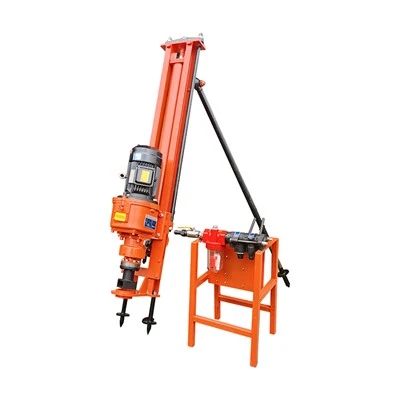
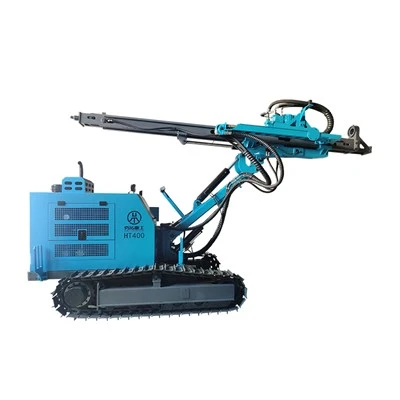
At our company, we offer a range of high - quality core drilling rigs, such as the Reverse Circulation Drilling Rig, Rock Core Drill, and wireline core drilling rigs. These rigs are designed with advanced features to enhance drilling efficiency and reduce the risk of drill pipe sticking.
Our drilling rigs are equipped with precise control systems that allow for accurate adjustment of the drilling parameters, such as rotation speed, feed rate, and circulation rate. This helps to maintain optimal drilling conditions and prevent problems associated with improper parameter settings.
In addition, our rigs are designed to be compatible with a wide range of drilling fluids, allowing for flexibility in fluid selection based on the formation requirements. The high - performance pumps and circulation systems in our rigs ensure efficient cuttings removal and proper wellbore cleaning.
Conclusion
Preventing drill pipe sticking in core drilling rigs requires a comprehensive approach that includes proper drilling fluid selection and maintenance, effective wellbore cleaning, appropriate drilling techniques, and detailed formation evaluation. By implementing these preventive measures and using high - quality drilling equipment like our core drilling rigs, you can significantly reduce the risk of drill pipe sticking, improve drilling efficiency, and save time and costs on your drilling projects.
If you are interested in our core drilling rigs or need more information on preventing drill pipe sticking, please feel free to contact us for procurement and further discussions. We are committed to providing you with the best solutions for your drilling needs.
References
- Bourgoyne, A. T., Chenevert, M. E., Millheim, K. K., & Young, F. S. (1986). Applied Drilling Engineering. Society of Petroleum Engineers.
- Mitchell, R. F., & Miska, S. Z. (2002). Fundamentals of Drilling Engineering. Society of Petroleum Engineers.
- Sharma, M. M., & Ghalambor, A. (1994). Fundamentals of Rock Mechanics in Petroleum Engineering. PennWell Books.