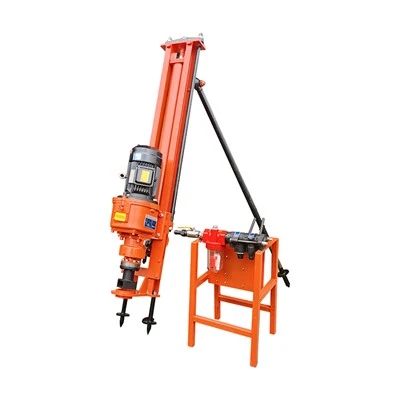
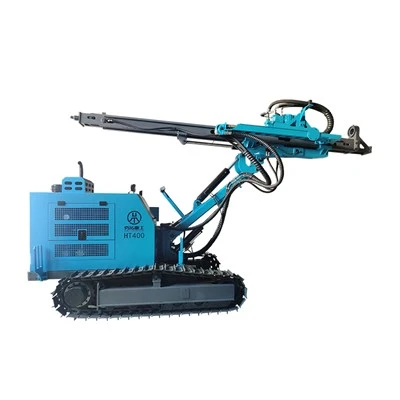
Hey there! As a supplier of water well drilling equipment, I've seen firsthand the importance of optimizing the operation of these machines. It not only boosts efficiency but also cuts down on costs and extends the equipment's lifespan. In this blog, I'm gonna share some tips and tricks on how to make your water well drilling equipment work at its best.
1. Pre - operation Checks
Before you fire up your water well drilling equipment, a thorough pre - operation check is a must. This is like doing a quick health check - up on your body before a big race.
- Inspect the Equipment Physically: Look for any signs of wear and tear on the rig. Check the drill bits, make sure they're sharp and in good condition. If the drill bit is dull, it'll take longer to penetrate the ground and may cause extra stress on the rig. You can check out our small water well drilling rig which comes with high - quality drill bits designed for long - term use.
- Fluid Levels: Check the oil, water, and hydraulic fluid levels. Low fluid levels can lead to overheating and mechanical failures. For example, if the hydraulic fluid is low, the rig's movement may become sluggish, affecting the drilling speed.
- Electrical Systems: Ensure all the electrical connections are tight and there are no exposed wires. Faulty electrical systems can not only disrupt the operation but also pose a safety hazard.
2. Operator Training
Having a well - trained operator is crucial for optimizing the operation of water well drilling equipment. An inexperienced operator may not use the equipment to its full potential or may even cause damage.
- Technical Knowledge: Operators should have a good understanding of how the equipment works, including the different components and their functions. They should know how to read the equipment's gauges and control panels. For instance, understanding the pressure gauges can help them adjust the drilling speed according to the ground conditions.
- Safety Training: Safety should always be the top priority. Operators need to be trained on how to handle the equipment safely, including wearing the appropriate safety gear and following safety protocols. This reduces the risk of accidents and injuries on the job site.
- Practice and Experience: Hands - on practice is essential. Let the operators work on the equipment under the supervision of experienced technicians. This way, they can learn from real - life situations and gain the confidence to operate the rig effectively.
3. Selecting the Right Equipment for the Job
Not all water well drilling jobs are the same, and using the right equipment for the specific task can make a huge difference.
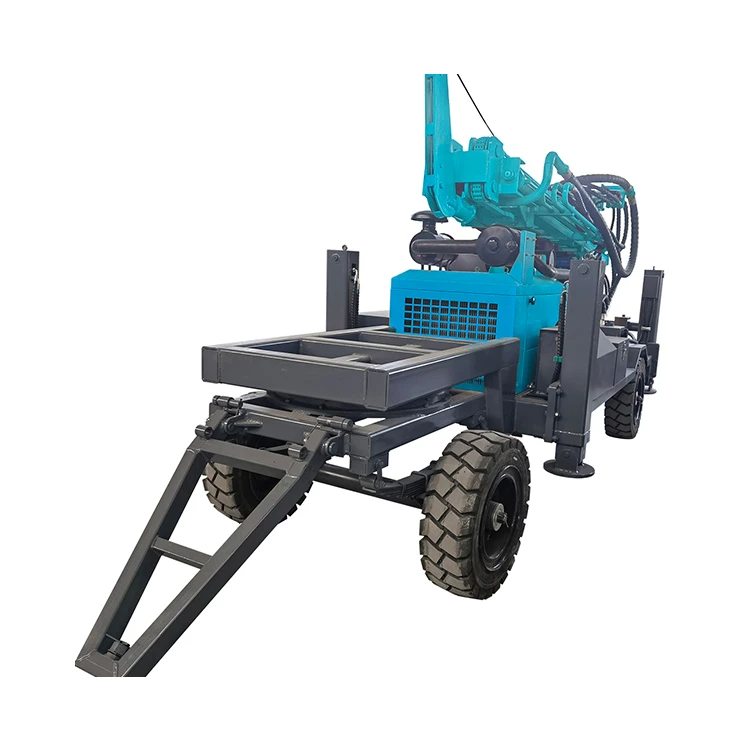
- Depth and Diameter Requirements: If you're drilling a shallow well with a small diameter, a portable Water Well Drilling Rig might be the best choice. It's easy to transport and can get the job done efficiently. On the other hand, for deeper and larger - diameter wells, a more powerful Rotary Water Well Drilling Rig is required.
- Ground Conditions: Different ground conditions, such as soft soil, hard rock, or sandy areas, require different types of drilling equipment. For example, in hard rock, a rotary rig with a diamond - tipped drill bit may be more effective, while in soft soil, a percussion drill may work better.
4. Maintenance and Servicing
Regular maintenance is the key to keeping your water well drilling equipment running smoothly.
- Scheduled Maintenance: Set up a regular maintenance schedule. This includes changing the oil, filters, and lubricating the moving parts. For example, changing the oil at the recommended intervals can prevent engine damage and keep the rig running efficiently.
- Repairs: Don't ignore small problems. A small leak or a loose bolt can turn into a major issue if not fixed in time. Have a team of technicians on standby to handle any repairs quickly.
- Upgrades: Consider upgrading your equipment when necessary. Newer technologies can improve the performance and efficiency of the rig. For example, upgrading to a more advanced control system can make the drilling process more precise.
5. Monitoring and Data Analysis
In today's digital age, monitoring the performance of your water well drilling equipment and analyzing the data can provide valuable insights.
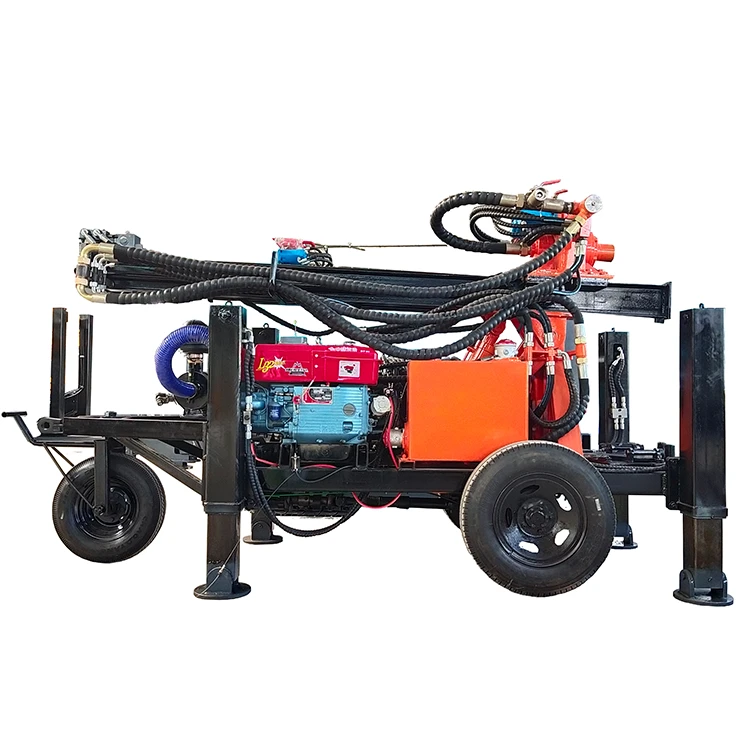
- Performance Sensors: Install sensors on the equipment to monitor parameters such as drilling speed, pressure, and temperature. These sensors can send real - time data to a control center, allowing you to keep an eye on the equipment's performance.
- Data Analysis: Analyze the data collected from the sensors. Look for patterns and trends. For example, if you notice that the drilling speed decreases after a certain number of hours of operation, it may be a sign that the drill bit needs to be replaced.
6. Environmental Considerations
Optimizing the operation of water well drilling equipment also means being environmentally friendly.
- Waste Management: Properly manage the waste generated during the drilling process, such as cuttings and drilling fluids. Dispose of them in an environmentally responsible way to prevent pollution.
- Energy Efficiency: Look for ways to make the equipment more energy - efficient. For example, using a rig with a more fuel - efficient engine can reduce the carbon footprint and save on operating costs.
Contact for Purchase and Negotiation
If you're interested in optimizing your water well drilling operations and need high - quality equipment, we're here to help. We offer a wide range of water well drilling equipment, including the ones I mentioned above. Whether you're a small - scale contractor or a large - scale drilling company, we have the right solution for you. Reach out to us, and we can have a detailed discussion about your specific needs and requirements.
References
- American Water Works Association. "Well Drilling and Development Manual".
- International Association of Drilling Contractors. "Best Practices for Water Well Drilling Equipment Operation".