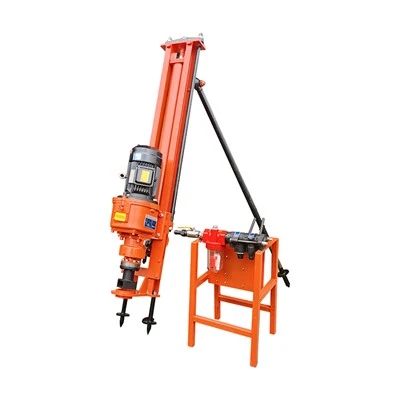
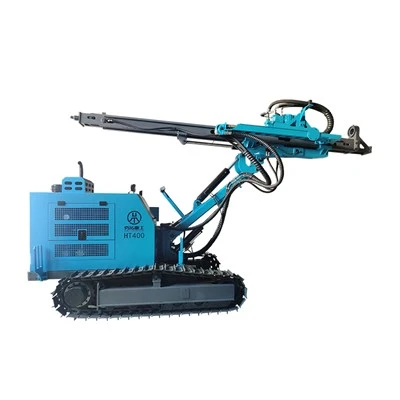
As a supplier of crawler mounted drill rigs, I understand the importance of a well - functioning hydraulic system in these machines. A hydraulic system in a crawler mounted drill rig is responsible for powering various components such as the drill head rotation, feed system, and stabilizers. When problems occur in the hydraulic system, it can significantly impact the performance and productivity of the drill rig. In this blog, I'll share some effective ways to troubleshoot hydraulic system problems in a crawler mounted drill rig.
1. Visual Inspection
The first step in troubleshooting a hydraulic system is a thorough visual inspection. Start by checking the hydraulic fluid level. Low fluid levels can cause cavitation, which leads to pump damage and reduced system performance. Inspect the fluid reservoir for any signs of leaks, such as wet spots or puddles around the tank. Leaks can occur in hoses, fittings, or seals. If you notice any leaks, mark the location for further investigation.
Examine the hydraulic hoses for signs of wear, such as cracks, bulges, or abrasions. Damaged hoses can burst under pressure, causing a sudden loss of hydraulic power. Check the hose connections to ensure they are tight and free from corrosion. Loose connections can lead to fluid leaks and air ingress into the system.
Inspect the hydraulic filters. Clogged filters can restrict the flow of hydraulic fluid, causing the pump to work harder and potentially overheat. If the filter is dirty or clogged, it should be replaced according to the manufacturer's recommendations. You can also check the condition of the seals in the system. Worn or damaged seals can cause leaks and allow contaminants to enter the hydraulic fluid, which can damage other components in the system.

2. Check the Hydraulic Pump
The hydraulic pump is the heart of the hydraulic system, and problems with the pump can lead to a variety of issues. Start by listening for any unusual noises coming from the pump. A whining or growling noise can indicate cavitation, which is caused by air in the fluid or a low fluid level. Check the pump's inlet strainer for blockages. A blocked strainer can restrict the flow of fluid to the pump, causing cavitation.
Measure the pump's output pressure. You can use a pressure gauge to check if the pump is producing the correct pressure. If the pressure is too low, it could be due to a worn pump, a leak in the system, or a problem with the relief valve. If the pressure is too high, it could indicate a blocked line or a malfunctioning relief valve.
3. Analyze the Hydraulic Fluid
The condition of the hydraulic fluid can provide valuable clues about the health of the system. Take a sample of the hydraulic fluid and send it for analysis. A fluid analysis can detect contaminants such as dirt, metal particles, and water. Contaminants can cause wear and damage to the hydraulic components, reducing their lifespan and performance.
Check the fluid's viscosity. Incorrect viscosity can affect the pump's performance and the overall efficiency of the system. If the fluid is too thick, it can cause the pump to work harder and generate more heat. If the fluid is too thin, it can lead to leaks and reduced pressure.
4. Inspect the Control Valves
Control valves play a crucial role in regulating the flow and pressure of the hydraulic fluid in the system. Check the valves for proper operation. You can do this by operating the drill rig's controls and observing the response of the hydraulic components. If a component is not operating correctly, it could be due to a malfunctioning control valve.
Inspect the valves for signs of wear or damage. Look for scratches, pits, or other signs of deterioration on the valve spools and seats. Worn valves can cause leaks and inaccurate control of the hydraulic system. Clean or replace any dirty or damaged valves as needed.
5. Examine the Actuators
Actuators, such as cylinders and motors, are responsible for converting hydraulic energy into mechanical motion. Check the actuators for proper movement. If an actuator is not moving smoothly or is sticking, it could be due to a problem with the hydraulic fluid, a blocked line, or a worn seal.
Inspect the actuator seals for leaks. Leaking seals can cause a loss of hydraulic pressure and reduced performance of the actuator. Replace any worn or damaged seals to ensure proper operation of the actuator.
6. Check the Relief Valves
Relief valves are designed to protect the hydraulic system from over - pressure. Check the relief valves to ensure they are set at the correct pressure. If the relief valve is set too low, the system may not be able to generate enough pressure to operate the components properly. If the relief valve is set too high, it can cause damage to the system components.
Test the relief valve for proper operation. You can do this by gradually increasing the pressure in the system and observing when the relief valve opens. If the relief valve does not open at the correct pressure or if it opens prematurely, it may need to be adjusted or replaced.
7. Consider the Operating Conditions
The operating conditions of the drill rig can also affect the hydraulic system. Extreme temperatures can cause the hydraulic fluid to thicken or thin, affecting its performance. If the drill rig is operating in very cold conditions, you may need to use a hydraulic fluid with a lower viscosity. In hot conditions, a higher - viscosity fluid may be required.
The amount of dust and debris in the operating environment can also impact the hydraulic system. If the drill rig is operating in a dusty environment, make sure the hydraulic system is properly sealed to prevent contaminants from entering the fluid.
Conclusion
Troubleshooting hydraulic system problems in a crawler mounted drill rig requires a systematic approach. By performing a visual inspection, checking the pump, analyzing the fluid, inspecting the control valves, actuators, and relief valves, and considering the operating conditions, you can identify and resolve most hydraulic system issues.
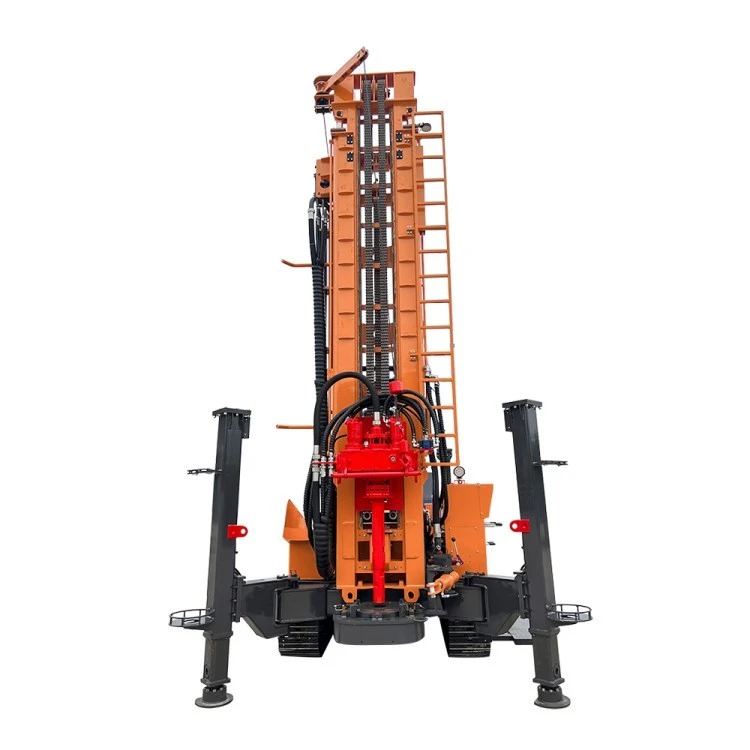
If you are experiencing persistent problems with the hydraulic system of your crawler mounted drill rig, or if you are looking for a reliable drill rig for your projects, we are here to help. We offer a wide range of high - quality crawler mounted drill rigs, as well as Deep water well drilling machine, small water well drilling rig, and Rotary Water Well Drilling Rig. Our team of experts can provide you with professional advice and support to ensure you get the most suitable equipment for your needs. Contact us to start the procurement negotiation and take your drilling projects to the next level.
References
- "Hydraulic Systems Handbook" by Rexroth Bosch Group
- "Mobile Hydraulic Systems" by Danfoss
- Manufacturer's manuals for crawler mounted drill rigs