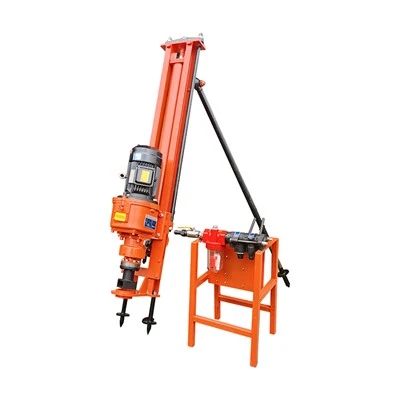
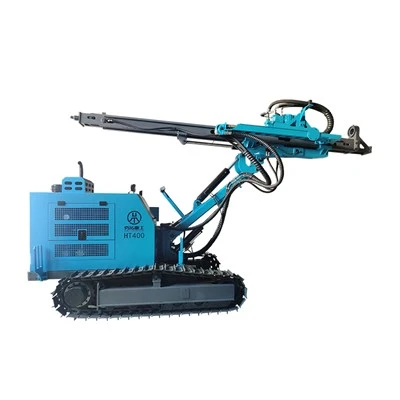
Maintaining the pneumatic systems of a core drilling rig is crucial for ensuring its efficient and reliable operation. As a core drilling rig supplier, we understand the significance of proper maintenance in maximizing the lifespan and performance of these rigs. In this blog, we will discuss the key steps and best practices for maintaining the pneumatic systems of a core drilling rig.
Understanding the Pneumatic System of a Core Drilling Rig
Before delving into maintenance, it's essential to have a basic understanding of the pneumatic system in a core drilling rig. The pneumatic system typically consists of an air compressor, air lines, valves, and actuators. Its main functions include providing air for down - the - hole hammers, dust control, and operating various pneumatic tools and components on the rig.
The air compressor is the heart of the pneumatic system. It compresses air and delivers it at the required pressure and volume to different parts of the rig. Air lines transport the compressed air, while valves control the flow and direction of the air. Actuators, such as cylinders and motors, convert the energy of the compressed air into mechanical motion.
Regular Inspections
Regular inspections are the foundation of pneumatic system maintenance. They help identify potential issues before they escalate into major problems.
Visual Inspections
- Air Compressor: Check the compressor for any signs of leaks, loose connections, or damage to the housing. Inspect the oil level in the compressor (if it's an oil - lubricated compressor) and ensure it is within the recommended range. Look for any abnormal wear on the belts or pulleys that drive the compressor.
- Air Lines: Examine the air lines for cracks, abrasions, or kinks. These can cause air leaks and reduce the efficiency of the system. Check the connections between the lines and other components, such as valves and actuators, to make sure they are tight.
- Valves and Actuators: Inspect the valves for proper operation. Check if they are opening and closing smoothly and that there are no signs of sticking or leakage. For actuators, look for any signs of wear or damage to the seals and pistons.
Pressure and Flow Checks
- Use pressure gauges to monitor the air pressure at different points in the system. Compare the readings with the manufacturer's specifications. If the pressure is too high or too low, it could indicate a problem with the compressor, a blocked line, or a faulty valve.
- Measure the air flow rate using a flow meter. A significant decrease in flow rate could be due to a blockage in the air lines or a malfunctioning component.
Cleaning and Lubrication
Cleaning
- Air Compressor: Clean the air intake filter regularly. A dirty filter can restrict the airflow to the compressor, reducing its efficiency and potentially causing overheating. Replace the filter if it is severely clogged.
- Air Lines: Periodically clean the air lines to remove any dirt, debris, or moisture that may have accumulated inside. This can be done using compressed air or a suitable cleaning solution.
- Valves and Actuators: Clean the valves and actuators to prevent the build - up of dirt and contaminants. Use a soft brush or a cloth to remove any visible dirt, and then use an appropriate cleaning agent to clean the internal components.
Lubrication
- Some pneumatic components, such as valves and actuators, require lubrication to ensure smooth operation. Use a high - quality pneumatic lubricant recommended by the manufacturer. Apply the lubricant according to the specified intervals and quantities. Over - lubrication can also cause problems, so it's important to follow the guidelines carefully.
Component Replacement
Over time, certain components of the pneumatic system will wear out and need to be replaced.
Seals and Gaskets
- Seals and gaskets are critical for preventing air leaks in the system. Inspect them regularly for signs of wear, cracking, or damage. Replace any worn - out seals or gaskets immediately to maintain the integrity of the system.
- When replacing seals and gaskets, make sure to use parts that are compatible with the specific components and the operating conditions of the rig.
Filters
- As mentioned earlier, air intake filters need to be replaced when they are dirty or clogged. In addition, some pneumatic systems may have other types of filters, such as oil filters or moisture separators. Replace these filters at the recommended intervals to ensure the quality of the compressed air.
Valves and Actuators
- If a valve or an actuator is malfunctioning and cannot be repaired, it should be replaced. When selecting a replacement part, choose one that has the same specifications and performance characteristics as the original component.
Training and Operator Awareness
Proper training of the rig operators is essential for the maintenance of the pneumatic system. Operators should be educated on the basic operation and maintenance procedures of the system. They should know how to perform regular inspections, identify potential problems, and take appropriate actions.
- Provide comprehensive training programs for new operators and refresher courses for experienced ones. These programs should cover topics such as the function of the pneumatic system, safety procedures, and maintenance best practices.
- Encourage operators to report any abnormal noises, vibrations, or performance issues immediately. Early detection of problems can prevent costly repairs and downtime.
Importance of Maintenance for Different Types of Core Drilling Rigs
We offer a range of core drilling rigs, including Reverse Circulation Drilling Rig, Rock Core Drilling Rig, and Full Hydraulic Core Exploration Drilling Rig. Proper maintenance of the pneumatic systems in these rigs is vital for their performance.
- Reverse Circulation Drilling Rig: The pneumatic system in a reverse circulation drilling rig is used to provide the necessary air for the reverse circulation process. Maintaining the system ensures a consistent and efficient flow of air, which is crucial for the proper extraction of cuttings and the overall drilling performance.
- Rock Core Drilling Rig: In a rock core drilling rig, the pneumatic system may be used for dust control and operating some auxiliary tools. A well - maintained pneumatic system helps in reducing dust pollution at the drilling site and ensures the reliable operation of these tools.
- Full Hydraulic Core Exploration Drilling Rig: Although these rigs are mainly hydraulic, the pneumatic system can still play an important role in functions such as operating certain valves or providing air for specific components. Maintaining the pneumatic system helps in the overall smooth operation of the rig.
Conclusion
In conclusion, maintaining the pneumatic systems of a core drilling rig is a multi - faceted process that requires regular inspections, cleaning, lubrication, component replacement, and proper operator training. By following these best practices, you can ensure the efficient and reliable operation of your core drilling rig, reduce downtime, and extend the lifespan of the equipment.
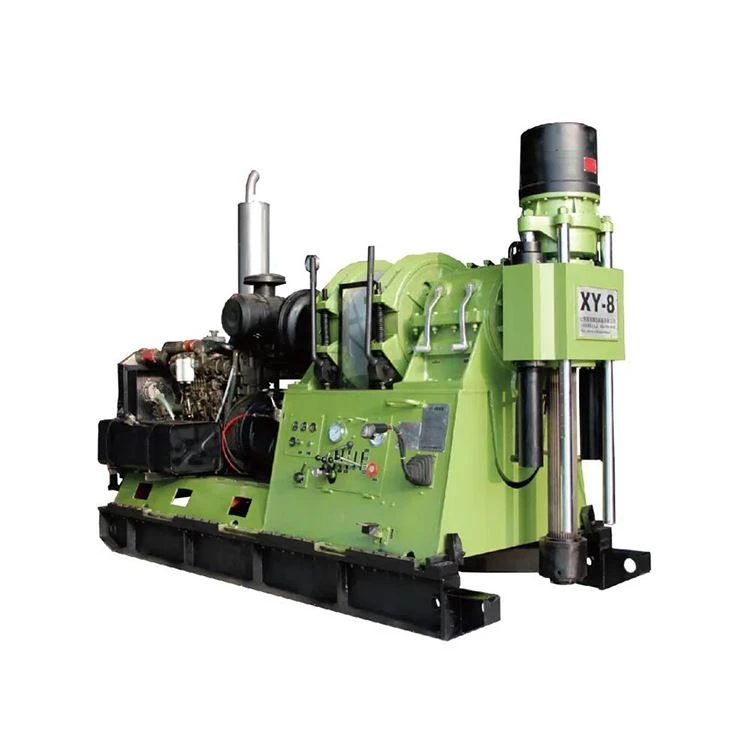

If you are in the market for a high - quality core drilling rig or need more information on pneumatic system maintenance, we are here to help. Our team of experts can provide you with detailed guidance and support. Contact us to discuss your specific requirements and start a procurement negotiation.
References
- Manufacturer's manuals for core drilling rigs and pneumatic components.
- Industry standards and guidelines for pneumatic system maintenance.