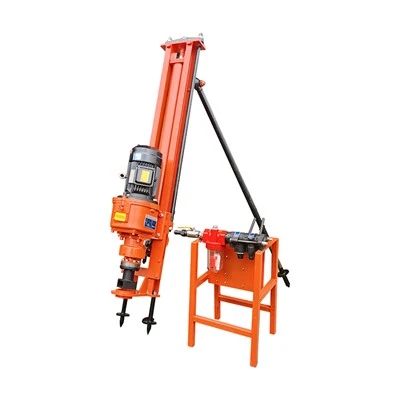
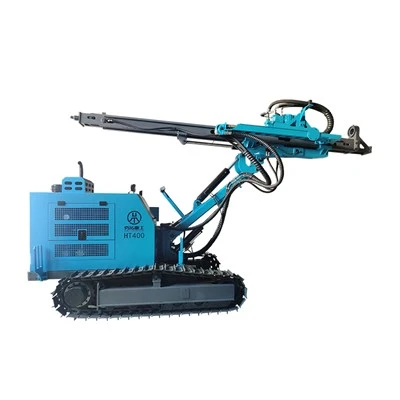
Hey there! As a supplier of rock drilling equipment, I've seen firsthand how crucial it is to keep your gear in top - notch condition. Whether you're using a pneumatic air leg rock drill, hand held rock drilling equipment, or a mini pneumatic drill, proper maintenance can save you a ton of time and money in the long run.
Let's start with the basics. One of the most important things you can do for your rock drilling equipment is to keep it clean. Drilling in rocky environments means that your equipment is going to get dirty real fast. Dust, debris, and rock particles can find their way into all the nooks and crannies of your drill, causing wear and tear over time. After each use, take a few minutes to give your drill a good wipe - down. Use a clean, dry cloth to remove any visible dirt. For hard - to - reach areas, you can use a small brush to gently dislodge the debris.
Lubrication is another key aspect of maintenance. Just like a car engine needs oil to run smoothly, your rock drill needs proper lubrication. Check the manufacturer's guidelines to see what type of lubricant is recommended for your specific model. Most pneumatic drills require a high - quality air tool oil. You should lubricate the drill regularly, especially before extended use. A well - lubricated drill will operate more efficiently, have less friction, and last longer.
Inspecting your equipment for damage is also essential. Before you start using your drill each day, give it a quick once - over. Look for any signs of wear, such as cracks in the housing, loose parts, or frayed cables. Pay special attention to the drill bit. A dull or damaged drill bit can not only slow down your drilling but also put extra stress on the rest of the equipment. If you notice any issues, address them immediately. Replace worn - out parts or get them repaired by a professional.
When it comes to the air supply for pneumatic drills, it's important to keep it clean and dry. Moisture in the air can cause rust and corrosion inside the drill, leading to malfunctions. Use an air dryer and filter to remove moisture and contaminants from the air supply. Also, make sure that the air pressure is set at the correct level. Too much or too little air pressure can affect the performance of your drill and cause unnecessary wear.
Storing your rock drilling equipment properly is also a big deal. When you're not using it, store your drill in a clean, dry place. Avoid leaving it out in the open where it can be exposed to the elements. If possible, store it in a protective case to prevent damage from accidental bumps and knocks.
Now, let's talk about specific types of equipment. For pneumatic air leg rock drills, the air leg itself needs regular maintenance. Check the seals on the air leg for any signs of leakage. If you notice any air escaping, replace the seals as soon as possible. Also, make sure that the air leg is properly adjusted. An incorrectly adjusted air leg can cause the drill to operate inefficiently and put extra strain on the drill and the air leg components.
Hand held rock drilling equipment requires a bit more attention to ergonomics and ease of use. Since you're holding it in your hands, any issues with the grip or balance can make your job a lot more difficult. Check the handle for any signs of wear or damage. If the handle is loose or uncomfortable, it can affect your control over the drill. You might also want to clean the trigger mechanism regularly to ensure smooth operation.


The mini pneumatic drill is a great option for smaller jobs, but it still needs proper care. Due to its compact size, it can be easy to overlook maintenance. However, the same principles apply. Keep it clean, lubricated, and inspect it for damage. The drill bit on a mini drill can be especially prone to wear, so make sure to check it frequently and replace it when necessary.
In addition to these regular maintenance tasks, it's a good idea to have your equipment serviced by a professional on a regular basis. A trained technician can perform a more in - depth inspection and make any necessary adjustments or repairs. They have the tools and expertise to identify potential problems before they become major issues.
Proper maintenance of your rock drilling equipment is not just about keeping it in good working order. It's also about safety. A well - maintained drill is less likely to malfunction during operation, which reduces the risk of accidents. When your equipment is in top shape, you can work more efficiently and get the job done faster.
If you're in the market for new rock drilling equipment or need help with maintenance tips for your existing gear, don't hesitate to reach out. We're here to help you make the most of your investment. Whether you're a professional contractor or a DIY enthusiast, we've got the knowledge and the products to meet your needs. Contact us to start a conversation about your rock drilling requirements.
References
- Manufacturer's manuals for various rock drilling equipment models
- Industry best practices for air tool maintenance and safety
So, there you have it! By following these simple maintenance tips, you can keep your rock drilling equipment in great condition for years to come.