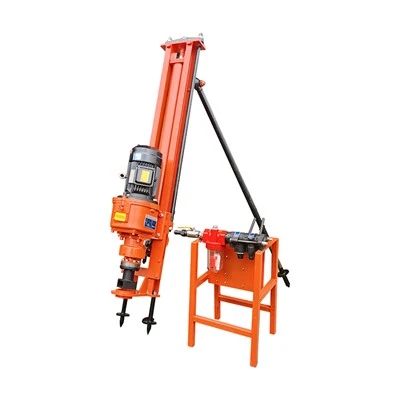
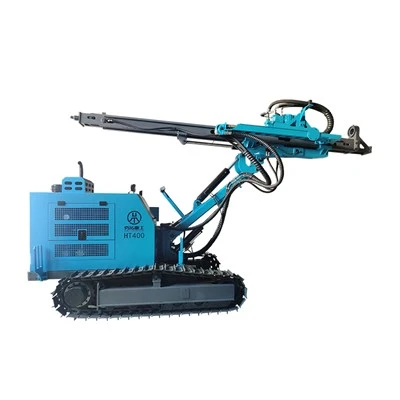
As a reputable drilling rig supplier, I've witnessed firsthand the critical role that control systems play in the efficient and safe operation of drilling rigs. These systems are the nerve center of the rig, enabling operators to manage every aspect of the drilling process with precision and control. In this blog post, I'll delve into the various control systems of a drilling rig, exploring their functions, importance, and the latest technological advancements.
Drilling Control System
The drilling control system is the heart of the rig, responsible for regulating the drilling process, including the rate of penetration (ROP), weight on bit (WOB), and torque. This system ensures that the drill bit operates at optimal conditions, maximizing efficiency and minimizing wear and tear on the equipment.
One of the key components of the drilling control system is the top drive, which is used to rotate the drill string and apply torque to the drill bit. The top drive is typically controlled by a variable frequency drive (VFD), which allows for precise control of the rotational speed and torque. This enables operators to adjust the drilling parameters based on the geological conditions and the type of formation being drilled.
Another important aspect of the drilling control system is the mud pump control. The mud pump is responsible for circulating drilling fluid, or mud, through the drill string and back to the surface. The mud serves several important functions, including cooling the drill bit, carrying cuttings to the surface, and maintaining wellbore stability. The mud pump control system ensures that the mud is circulated at the correct rate and pressure, based on the drilling conditions.
Hoisting Control System
The hoisting control system is used to raise and lower the drill string and other equipment on the rig. This system includes the drawworks, which is the main hoisting device, as well as the crown block, traveling block, and wire rope.
The drawworks is typically powered by an electric motor or a diesel engine, and it is controlled by a brake system that allows for precise control of the hoisting speed and position. The brake system is designed to prevent the drill string from free-falling in the event of a power failure or other emergency.
The crown block and traveling block are used to change the direction of the wire rope and to increase the mechanical advantage of the hoisting system. The wire rope is the critical component of the hoisting system, and it must be regularly inspected and maintained to ensure its integrity.
Well Control System
The well control system is designed to prevent the uncontrolled flow of oil, gas, or other fluids from the wellbore. This system includes the blowout preventer (BOP), which is a large valve that is installed at the wellhead to seal the wellbore in the event of a blowout.
The BOP is typically controlled by a hydraulic system, which allows for rapid activation in the event of an emergency. The hydraulic system is powered by a hydraulic power unit (HPU), which is located on the rig.
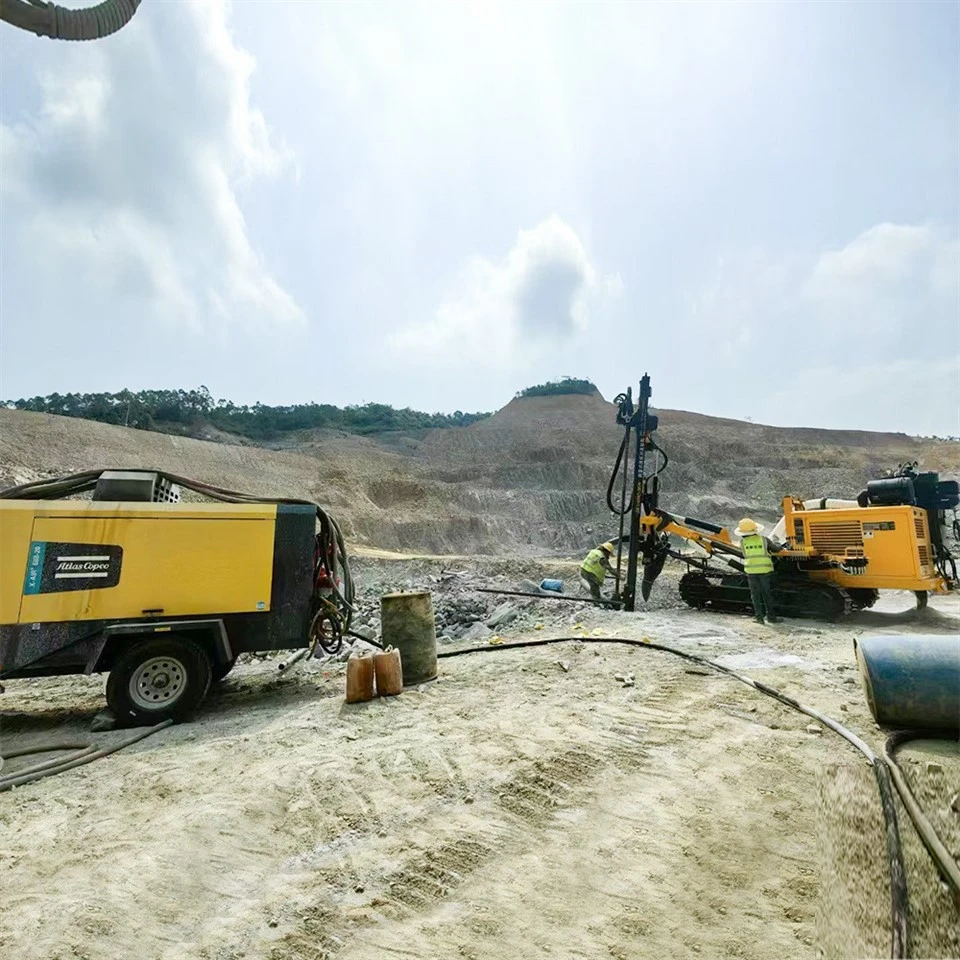
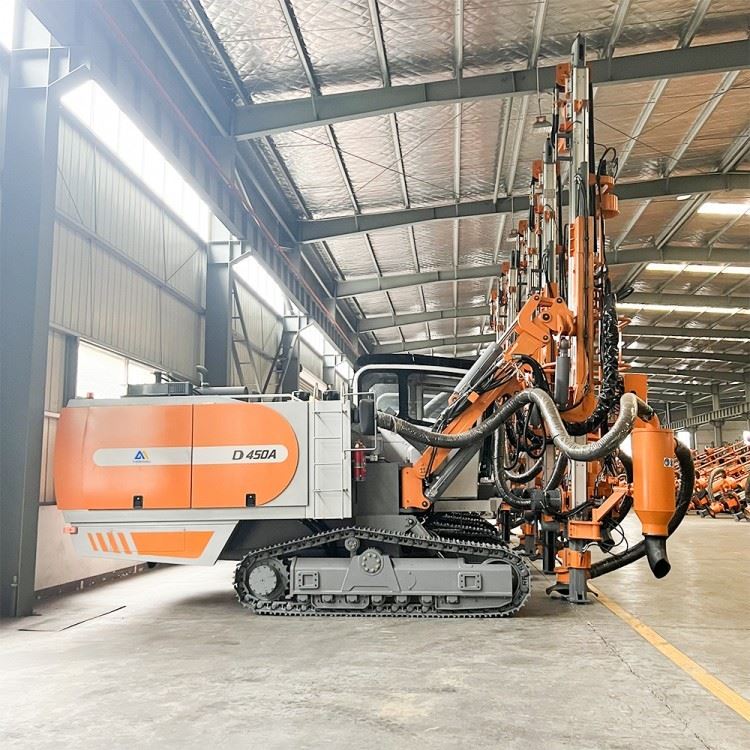
In addition to the BOP, the well control system also includes other components, such as the choke and kill manifold, which are used to control the flow of fluids from the wellbore during a well control operation.
Automation and Digitalization in Drilling Rig Control Systems
In recent years, there has been a significant trend towards automation and digitalization in the drilling industry. This trend is driven by the need to improve safety, efficiency, and productivity, as well as to reduce costs.
Automation in drilling rig control systems involves the use of sensors, actuators, and control algorithms to automate various aspects of the drilling process. For example, automated drilling systems can adjust the drilling parameters in real-time based on the geological conditions and the performance of the drill bit. This can result in significant improvements in drilling efficiency and productivity.
Digitalization in drilling rig control systems involves the use of digital technologies, such as the Internet of Things (IoT), big data analytics, and artificial intelligence (AI), to collect, analyze, and visualize data from the rig. This data can be used to optimize the drilling process, predict equipment failures, and improve safety.
For example, IoT sensors can be installed on the rig to collect data on various parameters, such as temperature, pressure, vibration, and flow rate. This data can be transmitted in real-time to a central control system, where it can be analyzed using big data analytics and AI algorithms. The results of the analysis can be used to make informed decisions about the drilling process, such as adjusting the drilling parameters or scheduling maintenance.
Our Products and Solutions
As a drilling rig supplier, we offer a wide range of products and solutions to meet the needs of our customers. Our product portfolio includes dth drilling rig, Portable 5-25 Bar Screw Air Compressor, Mobile Small Towable Compressors, and other related equipment.
Our drilling rigs are equipped with state-of-the-art control systems that are designed to provide precise control and reliable performance. We also offer customized solutions to meet the specific requirements of our customers, including the integration of automation and digitalization technologies.
In addition to our products, we also provide comprehensive after-sales support services, including installation, commissioning, training, maintenance, and repair. Our team of experienced technicians and engineers is available 24/7 to provide technical support and assistance to our customers.
Conclusion
Control systems are an essential part of a drilling rig, enabling operators to manage every aspect of the drilling process with precision and control. The drilling control system, hoisting control system, and well control system are the key components of a drilling rig, and they work together to ensure the safe and efficient operation of the rig.
With the increasing trend towards automation and digitalization in the drilling industry, the role of control systems is becoming even more important. Automated and digitalized drilling rigs can provide significant improvements in drilling efficiency, productivity, and safety.
If you're in the market for a drilling rig or related equipment, we invite you to contact us to discuss your requirements. Our team of experts can provide you with detailed information about our products and solutions, as well as customized recommendations based on your specific needs. We look forward to working with you to meet your drilling needs.
References
- API RP 53, Recommended Practice for Blowout Prevention Equipment Systems for Drilling Wells
- ISO 13531, Petroleum and natural gas industries - Drilling and production equipment - Specification for drilling and production hoisting equipment
- SPE publications on drilling technology and control systems