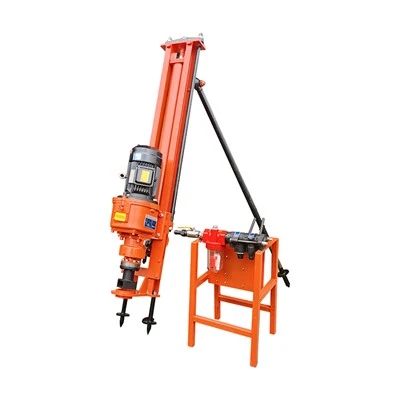
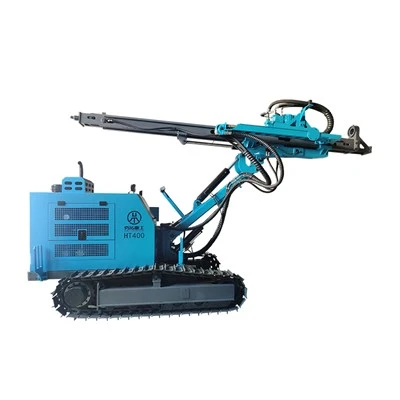
What is the weight of a water well drilling rig truck?
As a seasoned supplier of water well drilling rig trucks, I often encounter inquiries regarding the weight of these specialized vehicles. The weight of a water well drilling rig truck is a crucial factor that influences various aspects of its operation, transportation, and overall performance. In this blog post, I will delve into the factors that determine the weight of a water well drilling rig truck, explore the typical weight ranges, and discuss the implications of weight on the rig's functionality.
Factors Affecting the Weight of a Water Well Drilling Rig Truck
The weight of a water well drilling rig truck is influenced by several factors, each of which plays a significant role in determining the overall mass of the vehicle. Understanding these factors is essential for customers who are considering purchasing a water well drilling rig truck, as it allows them to make informed decisions based on their specific requirements.
-
Drilling Rig Type: The type of drilling rig mounted on the truck is one of the primary factors that affect its weight. Different drilling rigs have varying designs, sizes, and components, which contribute to their overall mass. For example, a 200m Water Well Drilling Rig may be heavier than a smaller, less powerful rig due to its larger drill mast, more robust engine, and additional equipment required for deeper drilling operations.
-
Truck Chassis: The truck chassis serves as the foundation for the drilling rig and plays a crucial role in determining the overall weight of the vehicle. The size, strength, and capacity of the chassis are designed to support the weight of the drilling rig and its associated equipment. Larger trucks with heavier-duty chassis are typically used for mounting larger and more powerful drilling rigs, which can result in a higher overall weight.
-
Drilling Equipment: In addition to the drilling rig itself, the weight of a water well drilling rig truck is also influenced by the various drilling equipment and accessories that are installed on the vehicle. This includes items such as drill pipes, casings, mud pumps, and other tools required for the drilling process. The quantity and size of these equipment can vary depending on the specific drilling requirements, which can have a significant impact on the overall weight of the truck.
-
Fuel and Water Tanks: Water well drilling rig trucks often carry large fuel and water tanks to provide the necessary power and water for the drilling operations. The size and capacity of these tanks can vary depending on the rig's design and the duration of the drilling project. The weight of the fuel and water stored in these tanks can add a substantial amount of weight to the vehicle, especially when they are fully filled.
-
Optional Features and Accessories: Many water well drilling rig trucks come with a range of optional features and accessories that can enhance their functionality and performance. These may include items such as hydraulic systems, winches, air compressors, and other specialized equipment. While these features can provide additional benefits, they also add to the overall weight of the vehicle.
Typical Weight Ranges of Water Well Drilling Rig Trucks
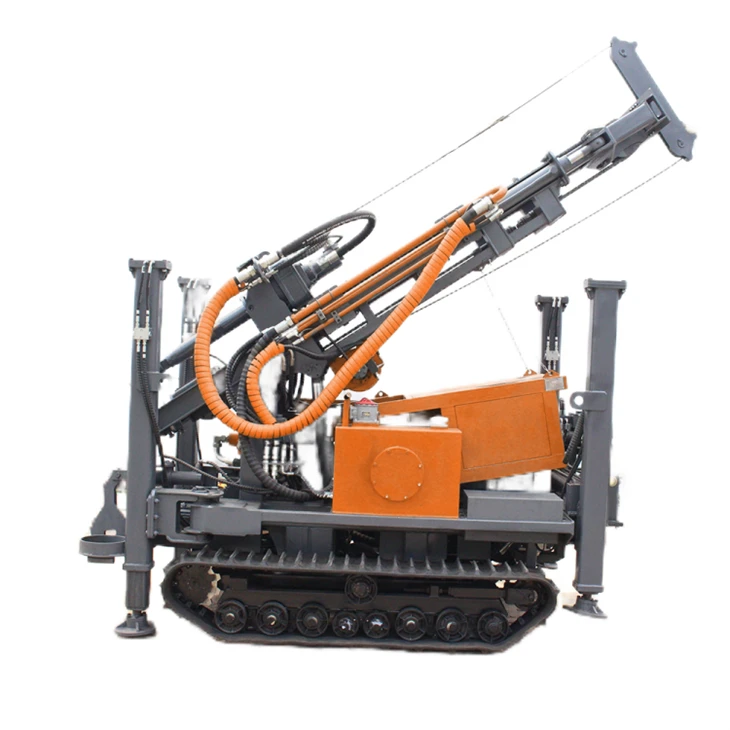
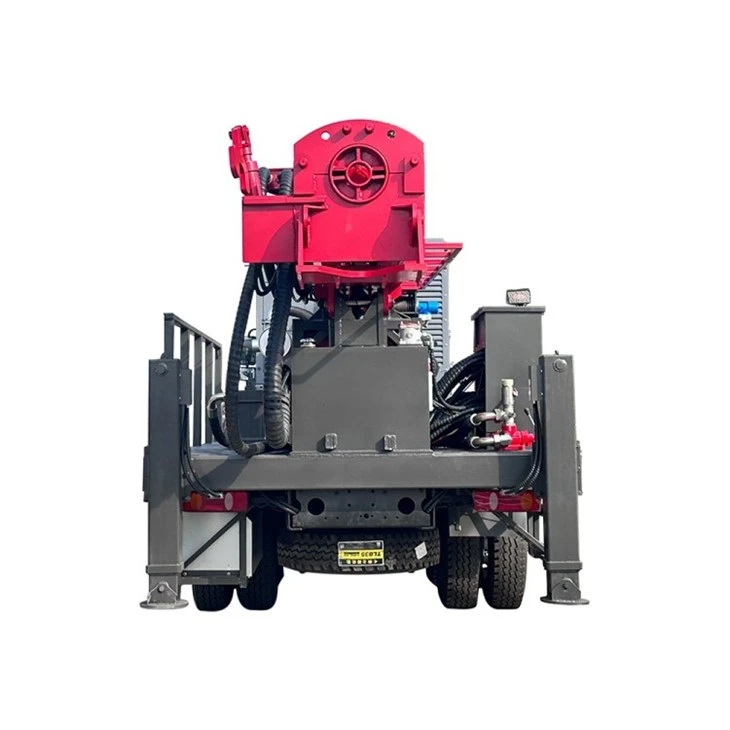
The weight of a water well drilling rig truck can vary significantly depending on the factors mentioned above. However, to provide a general idea, the following are some typical weight ranges for different types of water well drilling rig trucks:
-
Small to Medium-Sized Trucks: Small to medium-sized water well drilling rig trucks, which are typically used for shallow drilling applications, can weigh anywhere from 10,000 to 30,000 pounds (4,500 to 13,600 kilograms). These trucks are often equipped with smaller drilling rigs and have a lower overall capacity compared to larger trucks.
-
Medium to Large-Sized Trucks: Medium to large-sized water well drilling rig trucks, which are suitable for deeper drilling operations, can weigh between 30,000 and 60,000 pounds (13,600 to 27,200 kilograms). These trucks are typically equipped with more powerful drilling rigs and have a higher capacity for carrying drilling equipment and supplies.
-
Heavy-Duty Trucks: Heavy-duty water well drilling rig trucks, which are designed for large-scale drilling projects and deep well applications, can weigh upwards of 60,000 pounds (27,200 kilograms). These trucks are often equipped with the most advanced drilling technology and have a high capacity for carrying heavy loads.
It is important to note that these weight ranges are approximate and can vary depending on the specific make and model of the truck, as well as the configuration of the drilling rig and its associated equipment.
Implications of Weight on the Rig's Functionality
The weight of a water well drilling rig truck has several implications for its functionality and performance. Understanding these implications is essential for ensuring the safe and efficient operation of the rig.
-
Transportation: The weight of the water well drilling rig truck can have a significant impact on its transportation. Heavier trucks require more powerful vehicles for towing and may be subject to weight restrictions on certain roads and bridges. It is important to ensure that the truck's weight is within the legal limits and that the transportation vehicle is capable of safely hauling the rig to the drilling site.
-
Maneuverability: The weight of the truck can also affect its maneuverability, especially in tight or confined spaces. Heavier trucks may have a larger turning radius and may be more difficult to navigate in narrow streets or on uneven terrain. This can impact the rig's ability to access the drilling site and set up for operations.
-
Stability: The weight of the water well drilling rig truck plays a crucial role in its stability during drilling operations. A heavier truck is generally more stable and less likely to tip over, especially when the drilling rig is in use. However, it is important to ensure that the truck is properly balanced and that the weight is evenly distributed to prevent any potential stability issues.
-
Fuel Consumption: The weight of the truck can also affect its fuel consumption. Heavier trucks require more energy to move, which can result in higher fuel consumption. This can have a significant impact on the operating costs of the rig, especially for long-term drilling projects.
Contact for Purchase and洽谈
If you are in the market for a water well drilling rig truck, I encourage you to reach out to us. As a leading supplier in the industry, we offer a wide range of high-quality truck mounted water well drilling rig and reverse circulation water well drilling rig options to meet your specific needs and requirements. Our team of experts is available to provide you with detailed information, answer any questions you may have, and assist you in making the right choice for your drilling project. Contact us today to start the conversation and explore how our water well drilling rig trucks can benefit your operations.
References
- Drilling Equipment Manufacturers Association (DEMA). (2023). Guidelines for Drilling Rig Design and Operation.
- International Association of Drilling Contractors (IADC). (2023). Standards for Drilling Rig Safety and Performance.
- Society of Petroleum Engineers (SPE). (2023). Best Practices for Water Well Drilling Operations.