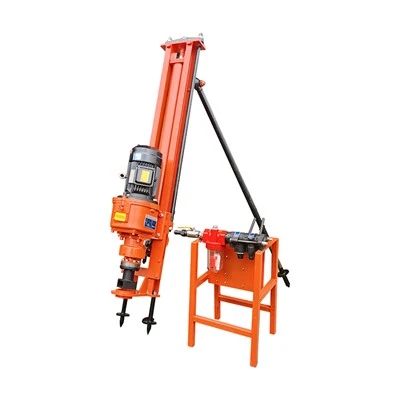
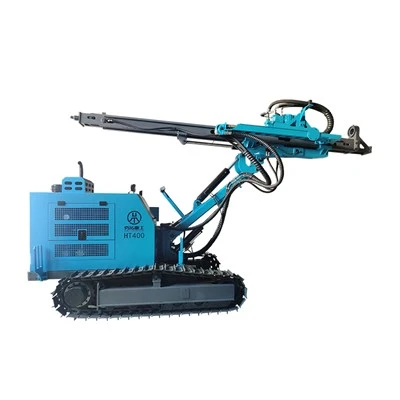
Hey there! I'm a supplier of drilling rods, and I've seen firsthand how crucial it is to maintain these tools properly. Drilling rods are the workhorses of many industries, from mining to construction, and keeping them in top shape can save you time, money, and a whole lot of headaches. In this blog post, I'm gonna share some tips on how to maintain a drilling rod effectively.
Regular Inspection
The first step in maintaining a drilling rod is regular inspection. You should check your rods before and after each use. Look for any signs of wear and tear, like cracks, bends, or excessive corrosion. A small crack can quickly turn into a big problem if it's not addressed early.
Inspect the threads on the rod as well. The threads are what connect the rod to other parts of the drilling equipment, like the Shank Adapter or the Extension Rod. If the threads are damaged, it can lead to a poor connection, which can cause the rod to come loose during operation. That's not only dangerous but can also damage the equipment.
Cleaning
Cleaning your drilling rods is super important. After each use, make sure to remove any dirt, debris, or drilling fluid from the rod. You can use a wire brush or a pressure washer to get rid of the stubborn stuff. Pay special attention to the threads and the joints, as these areas can collect a lot of grime.
If your rods have been exposed to corrosive drilling fluids, you might need to use a special cleaning solution. Just make sure to follow the manufacturer's instructions when using any chemicals. After cleaning, dry the rods thoroughly to prevent rust.
Lubrication
Lubrication is key to keeping your drilling rods working smoothly. Apply a high-quality lubricant to the threads and joints regularly. This helps reduce friction and wear, and it also prevents the threads from seizing up.
When choosing a lubricant, make sure it's compatible with the materials of your drilling rod. Some lubricants can react with certain metals and cause damage. You can usually find recommendations for the best lubricants in the rod's user manual.
Storage
Proper storage is another important aspect of rod maintenance. When you're not using your drilling rods, store them in a dry, clean place. Avoid storing them in areas where they can be exposed to moisture, as this can lead to rust and corrosion.
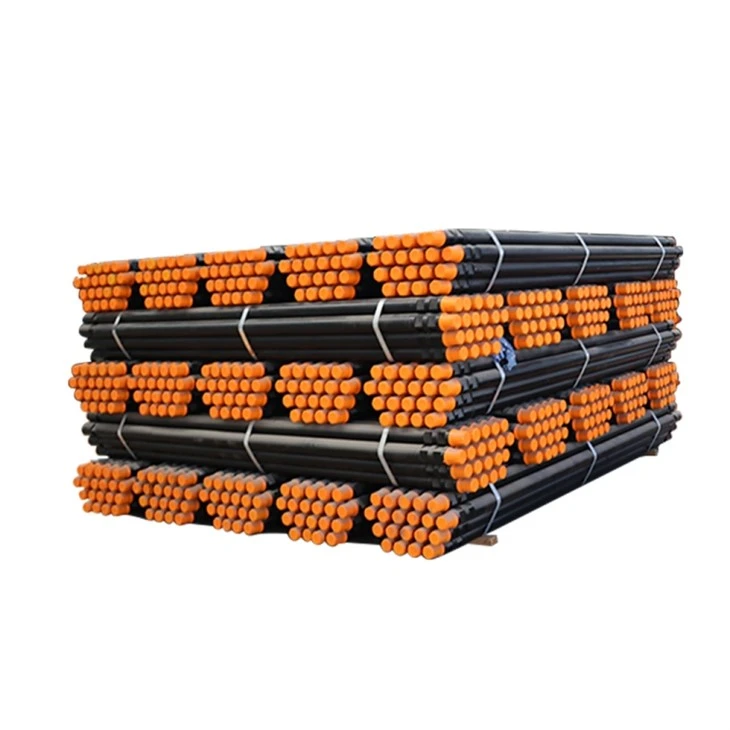
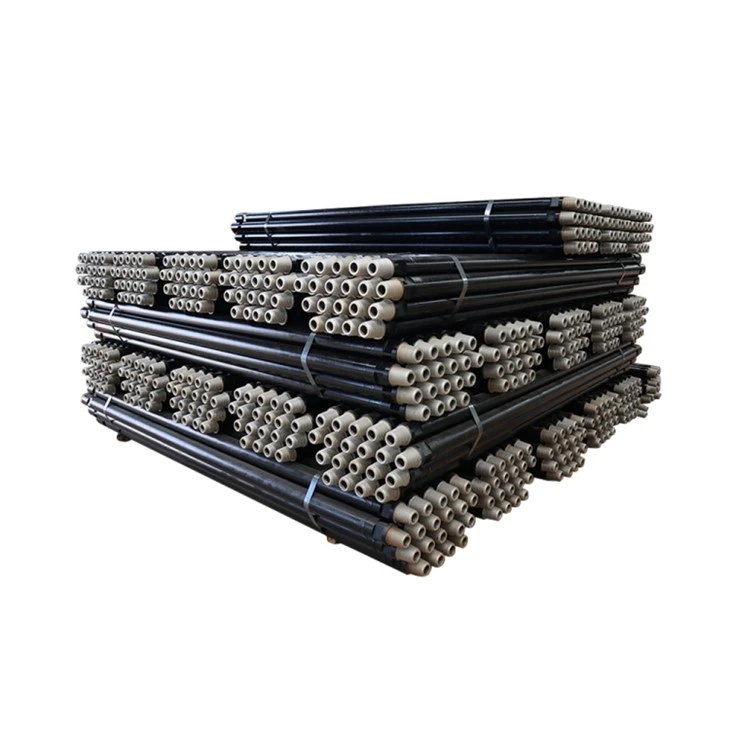
If you have a large number of rods, consider using a rack or a storage system to keep them organized. This makes it easier to inspect and access the rods when you need them. Also, make sure the rods are stored in a way that prevents them from getting bent or damaged.
Handling
How you handle your drilling rods can also affect their lifespan. When moving the rods, use proper lifting equipment and techniques. Avoid dropping or banging the rods, as this can cause internal damage that might not be visible on the surface.
When connecting or disconnecting the rods, use the right tools and follow the correct procedures. Don't force the connections, as this can damage the threads. And always make sure the connections are tight before starting the drilling operation.
Training
If you have a team of operators using the drilling rods, make sure they're properly trained on how to maintain them. Provide them with clear instructions on inspection, cleaning, lubrication, storage, and handling. Regular training sessions can help ensure that everyone is following the best practices.
Encourage your operators to report any issues they notice with the rods immediately. Early detection of problems can prevent more serious damage and costly repairs.
Monitoring Performance
Keep an eye on the performance of your drilling rods during operation. If you notice any changes in the drilling speed, torque, or vibration, it could be a sign that something is wrong with the rod. Stop the operation and inspect the rod right away.
You can also keep a log of the rod's usage and performance. This can help you identify patterns and predict when maintenance or replacement might be needed.
Replacement
Even with the best maintenance, drilling rods will eventually wear out. Know when it's time to replace your rods. If you notice significant wear, cracks, or other damage that can't be repaired, it's better to replace the rod than to risk a failure during operation.
When replacing a rod, make sure to choose a high-quality replacement that's compatible with your existing equipment. You can find a wide range of rock Drill Rods on our website that are designed to meet the needs of different applications.
Conclusion
Maintaining a drilling rod is not rocket science, but it does require some time and effort. By following these tips on regular inspection, cleaning, lubrication, storage, handling, training, monitoring performance, and knowing when to replace the rod, you can extend the lifespan of your rods and keep them working at their best.
If you're in the market for high-quality drilling rods or need more advice on rod maintenance, don't hesitate to reach out. We're here to help you find the right solutions for your drilling needs. Let's start a conversation and see how we can work together to make your drilling operations more efficient and cost-effective.
References
- Manufacturer's user manuals for drilling rods
- Industry best practices for drilling equipment maintenance