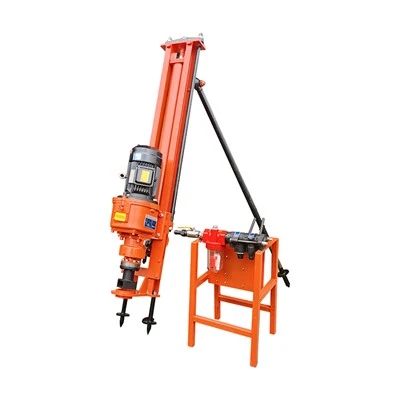
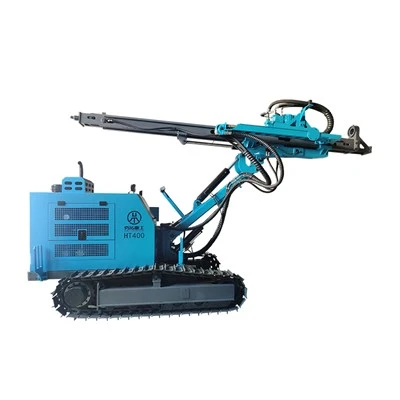
Optimizing the air consumption of a pneumatic rock drilling rig is crucial for both cost - efficiency and environmental sustainability. As a supplier of pneumatic rock drilling rigs, I've seen firsthand how proper air consumption management can make a huge difference in a project's bottom line. In this blog, I'll share some practical tips on how to achieve this goal.
Understanding the Basics of Air Consumption in Pneumatic Rock Drilling Rigs
Before we dive into optimization strategies, it's important to understand how a pneumatic rock drilling rig consumes air. The compressed air does multiple jobs. First, it powers the drill bit to break through the rock. Second, it removes the rock cuttings from the borehole to keep the drilling process smooth. Any inefficiencies in these processes can lead to excessive air consumption.
One of the key factors affecting air consumption is the type of drilling operation. For example, Integrated Open - pit Down - the - hole Drill Rig used in open - pit mining has different air requirements compared to small down the hole drilling equipment used in smaller projects. Large - scale open - pit drills often need a higher volume of air to handle the tougher rock formations and larger drill bits. On the other hand, small down - the - hole drills can get by with a relatively lower air supply.
Choosing the Right Equipment
The first step in optimizing air consumption is to choose the right pneumatic rock drilling rig for the job. An oversized rig will consume more air than necessary, while an undersized one may not be able to handle the task effectively, leading to longer drilling times and increased air use.
When selecting a rig, consider the hardness of the rock, the depth and diameter of the borehole, and the overall scale of the project. If you're dealing with soft to medium - hard rock, a pneumatic air leg rock drill might be a good choice. These drills are relatively lightweight and can operate with lower air pressure, thus saving on air consumption.
It's also important to consider the drill bit. A dull or worn - out drill bit requires more force to penetrate the rock, which in turn increases air consumption. Regularly inspect and replace drill bits as needed to ensure optimal performance.
Maintaining the Compressor System
The compressor is the heart of the pneumatic rock drilling rig system. A well - maintained compressor will operate more efficiently, reducing air consumption.
First, make sure the compressor is properly sized for the rig. An oversized compressor will waste energy, while an undersized one may not be able to provide enough air pressure, leading to poor drilling performance.
Regular maintenance of the compressor is essential. Clean or replace the air filters regularly to prevent dirt and debris from clogging the system. Check the compressor's oil level and quality, and change the oil as recommended by the manufacturer. Also, inspect the compressor's belts and hoses for any signs of wear or leaks. Even a small leak can cause a significant amount of air to be wasted over time.
Adjusting Drilling Parameters
Fine - tuning the drilling parameters can also have a big impact on air consumption. The rotation speed, feed pressure, and impact energy all play a role in how much air the rig uses.
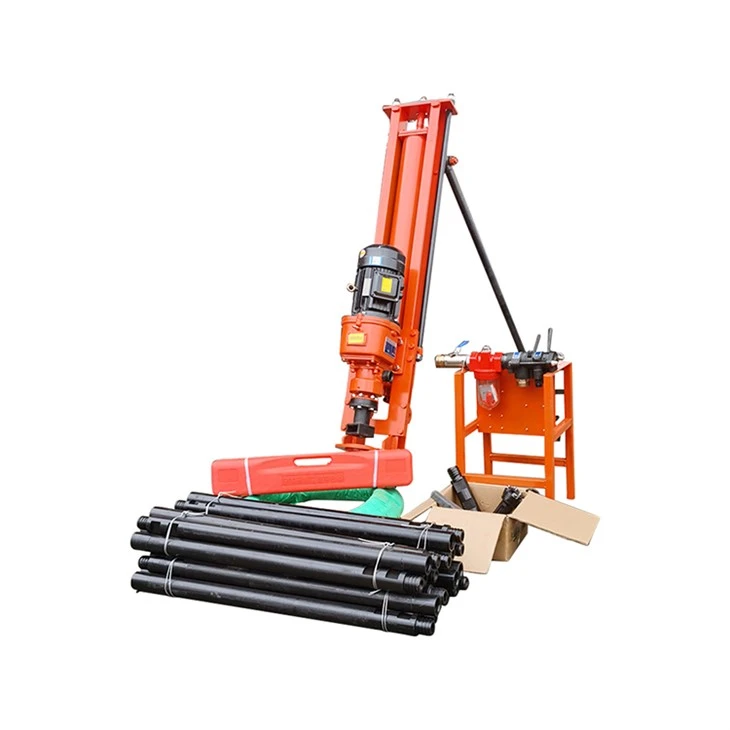
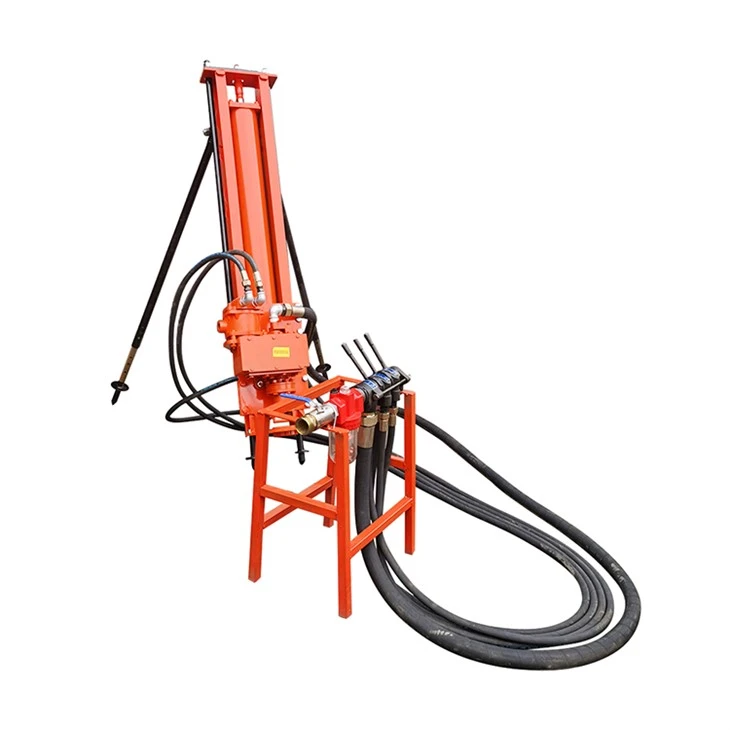
Start by finding the optimal rotation speed for the rock type. Too high a speed can cause the drill bit to wear out quickly and increase air consumption, while too low a speed can result in inefficient drilling. Experiment with different speeds to find the sweet spot.
Feed pressure is another important parameter. Applying too much feed pressure can cause the drill bit to bind in the rock, increasing the load on the rig and consuming more air. On the other hand, too little feed pressure will result in slow drilling and also waste air. Adjust the feed pressure according to the rock hardness and the drill bit's size.
Impact energy also needs to be adjusted properly. High - impact energy is useful for breaking through hard rock, but it also consumes more air. In softer rock, reducing the impact energy can save a significant amount of air while still maintaining effective drilling.
Monitoring and Controlling Air Consumption
Implementing a monitoring system is a great way to keep track of air consumption. Modern pneumatic rock drilling rigs often come with built - in sensors that can measure air flow, pressure, and other important parameters. By monitoring these data, you can quickly identify any abnormal air consumption patterns and take corrective action.
You can also use a control system to manage the air supply to the rig. For example, some advanced systems can automatically adjust the air flow based on the drilling conditions. If the drill bit encounters a harder rock layer, the system can increase the air supply temporarily, and then reduce it when the drilling becomes easier again.
Training the Operators
Last but not least, training the operators is crucial for optimizing air consumption. An experienced and well - trained operator knows how to operate the rig efficiently, adjust the drilling parameters correctly, and detect early signs of problems.
Provide training on the proper use of the rig, including how to start and stop the system, how to adjust the air pressure and flow, and how to maintain the equipment. Also, teach the operators about the importance of air consumption optimization and how their actions can affect it.
In conclusion, optimizing the air consumption of a pneumatic rock drilling rig is a multi - faceted task that involves choosing the right equipment, maintaining the compressor system, adjusting drilling parameters, monitoring air use, and training the operators. By implementing these strategies, you can reduce your operating costs, improve the overall efficiency of your drilling operations, and minimize the environmental impact.
If you're interested in our pneumatic rock drilling rigs or have any questions about air consumption optimization, don't hesitate to reach out. We're here to help you find the best solutions for your drilling projects.
References
- Industry reports on pneumatic rock drilling technology.
- Manufacturer's manuals for pneumatic rock drilling rigs and compressors.