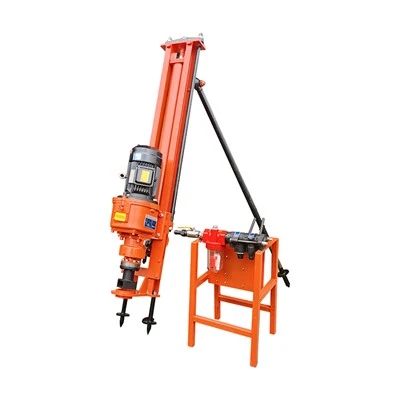
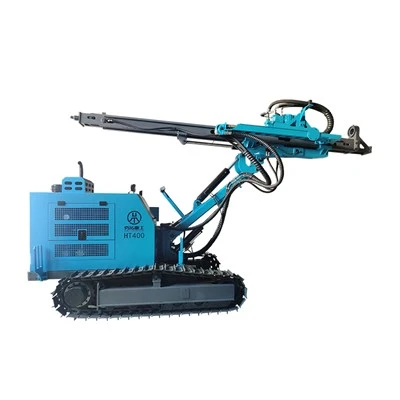
Hey there! As a supplier of mini rock drilling machines, I've seen my fair share of issues when it comes to these handy tools. Detecting faults in a mini rock drilling machine is crucial to keep it running smoothly and avoid costly downtime. In this blog, I'm gonna share some tips on how to detect those pesky faults.
Inspection Before Operation
Before you even start the drill, it's a good idea to do a quick once - over. Check the overall appearance of the machine. Look for any signs of physical damage, like cracks in the frame or casing. A damaged frame can affect the stability of the drill during operation and might even lead to more serious problems.
Examine the mini pneumatic drill for loose parts. Check all the bolts and nuts. If they're loose, they can cause vibrations that not only reduce the efficiency of the drill but also put extra stress on other components. You can use a wrench to tighten any loose fasteners.
Inspect the hoses and connections. Make sure there are no leaks. A leak in the air or hydraulic hoses can lead to a loss of power or improper operation of the drill. You can usually detect a leak by looking for signs of air or fluid spraying, or by listening for a hissing sound.
Listening to the Sounds
When the mini rock drilling machine is running, listen carefully to the sounds it makes. Normal operation should produce a consistent and smooth sound. If you hear any grinding, rattling, or high - pitched squealing noises, something's probably wrong.
A grinding noise could indicate a problem with the gears. Maybe there's debris in the gearbox or the gears are worn out. Rattling might be a sign of loose parts inside the machine, like a loose bearing. And a high - pitched squeal could be due to a belt that's too tight or a problem with the motor.

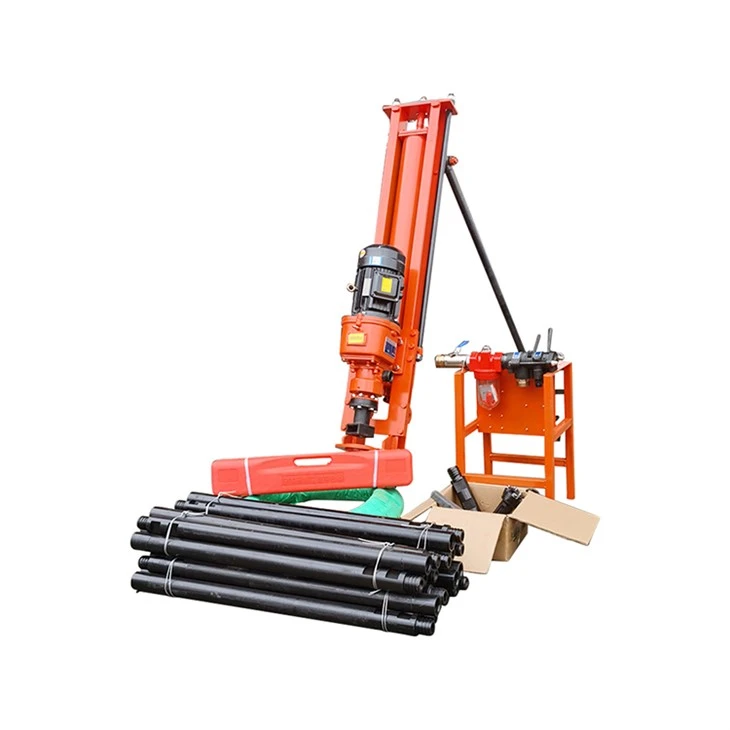
Monitoring the Performance
Keep an eye on the performance of the drill. If it's not drilling as effectively as it used to, there could be a fault. For example, if the drill is taking longer to penetrate the rock or if it's struggling to maintain the same depth, it might be because of a dull drill bit or a problem with the power supply.
Check the speed and pressure of the drill. Most mini rock drilling machines have gauges that show the speed and pressure. If the readings are outside the normal range, it could indicate an issue. For instance, if the pressure is too low, it might be due to a leak in the hydraulic system or a problem with the pump.
Checking the Drill Bit
The drill bit is a critical part of the mini rock drilling machine. A worn - out or damaged drill bit can cause all sorts of problems. Inspect the drill bit regularly for signs of wear. Look for dull edges, chips, or cracks.
If the drill bit is dull, it won't be able to cut through the rock effectively. You can try sharpening it, but if it's severely damaged, you'll need to replace it. A damaged drill bit can also cause the machine to vibrate more than normal and put extra stress on other components.
Electrical and Hydraulic Systems
For machines with electrical components, check for any signs of electrical problems. Look for frayed wires, loose connections, or burnt - out fuses. Electrical issues can cause the machine to malfunction or even pose a safety hazard.
In the case of hydraulic systems, check the fluid level. Low hydraulic fluid can lead to a loss of power and improper operation. Also, look for any signs of contamination in the fluid. Contaminated fluid can damage the hydraulic pumps and valves.
Heat and Vibration
Excessive heat and vibration are also signs of potential faults. If the machine is getting too hot, it could be due to a problem with the cooling system, overloading, or a worn - out component. You can use a thermal imaging camera or simply touch the machine carefully (but be cautious of burns) to see if it feels hotter than normal.
Vibration that is more intense than usual can indicate an unbalanced drill bit, a problem with the motor, or loose parts. Excessive vibration can not only reduce the lifespan of the machine but also affect the quality of the drilling.
When Things Go Really Wrong
If you've tried all the above steps and still can't figure out the problem, or if the machine suddenly stops working altogether, it might be time to call in a professional. A technician who is experienced with mini rock drilling machines, like our team, can use more advanced diagnostic tools to pinpoint the issue.
At our company, we offer small down the hole drilling solutions and Integrated Open - pit Down - the - hole Drill Rig that are built to last. But even the best machines need maintenance and occasional fault detection.
If you're in the market for a new mini rock drilling machine or if you need help with fault detection and repair on your existing one, don't hesitate to reach out. We're here to help you make the most of your drilling equipment and keep your projects on track. Whether you're a small - scale contractor or a DIY enthusiast, we've got the expertise and the products to meet your needs.
So, if you're interested in learning more about our products or need assistance with your mini rock drilling machine, just get in touch. We're always happy to have a chat and see how we can help you with your drilling requirements.
References
- General knowledge and experience from working in the mini rock drilling machine industry.
- Manufacturer's manuals for various mini rock drilling machines.