As a supplier of DTH (Down-The-Hole) hammers, I understand the critical importance of wear resistance in DTH hammer bits. The wear resistance of these bits directly impacts their performance, longevity, and ultimately, the cost - effectiveness of drilling operations. In this blog, I will share some effective ways to improve the wear resistance of DTH hammer bits.
Material Selection
The choice of material is the foundation for improving the wear resistance of DTH hammer bits. High - quality tungsten carbide is a popular choice for the cutting edges of DTH bits. Tungsten carbide has excellent hardness, wear resistance, and thermal stability. It can withstand the high - pressure and high - temperature environment during drilling.
For example, some advanced tungsten carbide grades are specifically designed for DTH applications. These grades have a fine - grained structure, which provides better wear resistance compared to coarser - grained carbides. The fine grains help to distribute the stress more evenly across the cutting edge, reducing the risk of chipping and abrasion.
Another option is to use cobalt - based alloys. Cobalt alloys have good toughness and corrosion resistance, which can enhance the overall durability of the DTH bit. They can also be heat - treated to further improve their mechanical properties. When combined with tungsten carbide inserts, cobalt - based alloys can form a strong and wear - resistant structure.
Surface Treatment
Surface treatment is an effective method to enhance the wear resistance of DTH hammer bits. One common surface treatment is nitriding. Nitriding involves introducing nitrogen into the surface layer of the bit material. This process forms a hard nitride layer on the surface, which significantly improves the hardness and wear resistance of the bit.
The nitride layer can also provide some protection against corrosion, which is especially important in harsh drilling environments. For example, in mining operations where the drill bits are exposed to acidic or alkaline solutions, a nitrided surface can prevent the material from corroding and maintain its wear - resistant properties.
Another surface treatment option is coating. There are various types of coatings available for DTH bits, such as titanium nitride (TiN), titanium carbonitride (TiCN), and diamond - like carbon (DLC) coatings. TiN coatings are well - known for their high hardness and low friction coefficient. They can reduce the adhesion between the bit and the rock, which in turn reduces wear.
TiCN coatings offer even better wear resistance than TiN coatings due to their higher carbon content. DLC coatings, on the other hand, have extremely low friction and high hardness, making them suitable for high - speed drilling applications. These coatings can be applied using physical vapor deposition (PVD) or chemical vapor deposition (CVD) techniques, which ensure a uniform and adherent coating on the bit surface.
Design Optimization
The design of the DTH hammer bit also plays a crucial role in its wear resistance. The shape and arrangement of the cutting edges can affect how the bit interacts with the rock. For example, a well - designed bit should have a proper rake angle and clearance angle. The rake angle determines the cutting efficiency, while the clearance angle prevents the bit from rubbing against the rock wall, reducing wear.
The number and distribution of the cutting edges are also important. A bit with too few cutting edges may experience excessive wear on each edge, while a bit with too many cutting edges may not be able to effectively break the rock. Therefore, it is necessary to find the optimal number and distribution of cutting edges based on the specific drilling conditions, such as the type of rock and the drilling depth.
In addition, the internal structure of the DTH bit can be optimized to improve its wear resistance. For example, some bits are designed with a hollow core, which allows for better flushing of the rock cuttings. This helps to prevent the cuttings from accumulating around the cutting edges and causing additional wear.
Operating Conditions
Proper operating conditions can significantly extend the wear life of DTH hammer bits. First of all, the drilling pressure should be carefully controlled. Too high a drilling pressure can cause excessive stress on the bit, leading to premature wear and breakage. On the other hand, too low a drilling pressure may result in inefficient drilling and increased wear due to the bit not being able to penetrate the rock effectively.
The rotation speed of the drill string also affects the wear of the DTH bit. A high rotation speed can increase the cutting efficiency, but it may also cause more wear on the bit. Therefore, it is necessary to find the optimal rotation speed based on the type of rock and the bit design.
In addition, the flushing medium used during drilling is important. A good flushing medium can carry the rock cuttings away from the cutting edges, reducing wear. Water is a commonly used flushing medium, but in some cases, air or a mixture of air and water may be more suitable.
Maintenance and Inspection
Regular maintenance and inspection of DTH hammer bits are essential for ensuring their wear resistance. After each drilling operation, the bits should be cleaned to remove any rock cuttings and debris. This helps to prevent the accumulation of abrasive particles on the bit surface, which can cause wear.
Inspection of the bits should be carried out regularly to detect any signs of wear or damage. If any wear or damage is found, the bit should be repaired or replaced in a timely manner. For example, if the tungsten carbide inserts are chipped or worn, they should be replaced to maintain the cutting performance of the bit.
In conclusion, improving the wear resistance of DTH hammer bits requires a comprehensive approach that includes material selection, surface treatment, design optimization, proper operating conditions, and regular maintenance. By implementing these measures, we can provide our customers with DTH bits that have longer service lives and better performance.
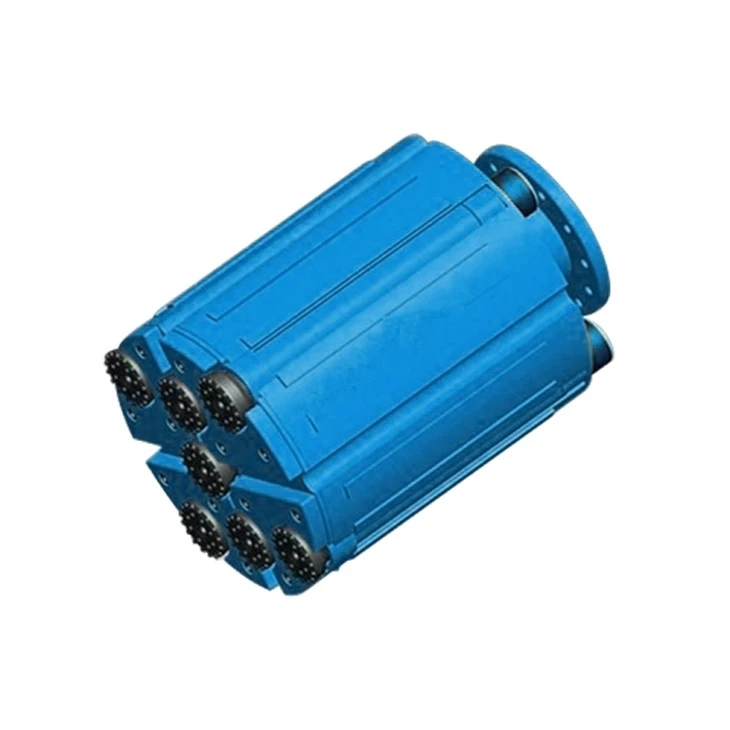
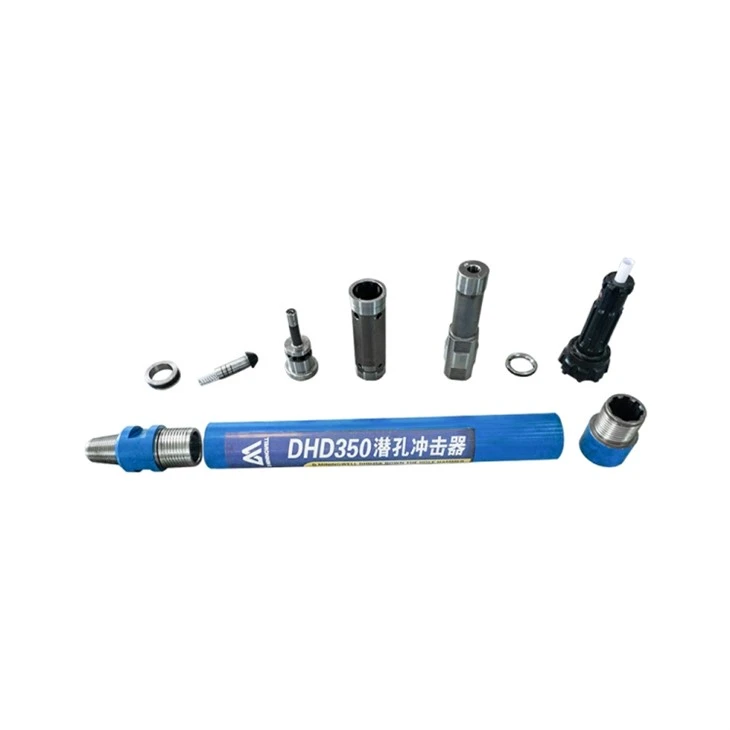
If you are interested in our Cluster DTH Drilling Hammer, High Pressure DTH Hammer, or Low Pressure Down - the - hole Hammer, and want to discuss the wear - resistant features of our DTH bits further, please feel free to contact us for procurement and negotiation.
References
- ASTM International. Standard test methods for wear testing of materials. ASTM International, West Conshohocken, PA, USA.
-ASM Handbook Volume 4: Heat Treating. ASM International, Materials Park, OH, USA. - Callister, W. D., & Rethwisch, D. G. (2011). Materials science and engineering: an introduction. John Wiley & Sons.