Hey there! As a DTH hammer supplier, I often get asked about the drilling fluid requirements for DTH hammers. So, I thought I'd put together this blog to share some insights on what you need to know.
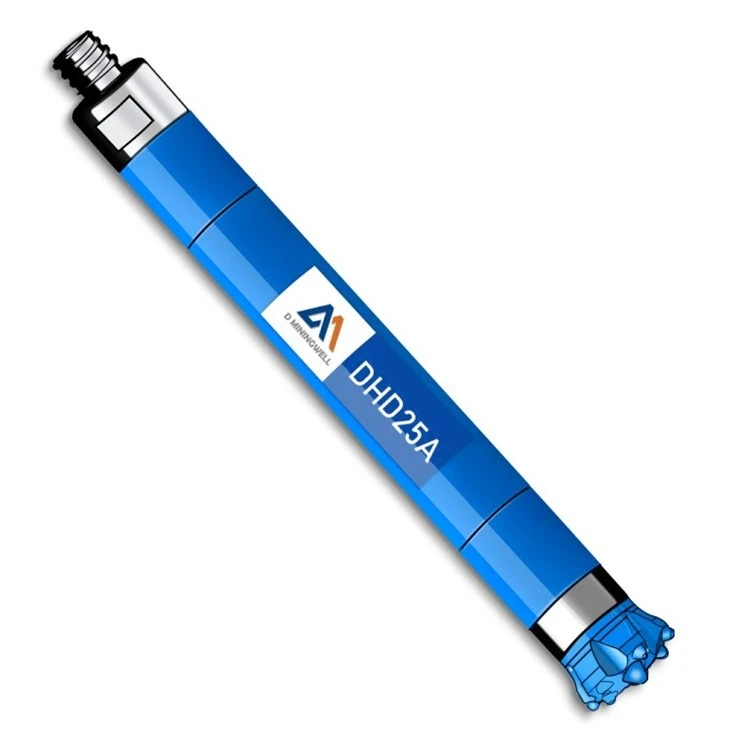
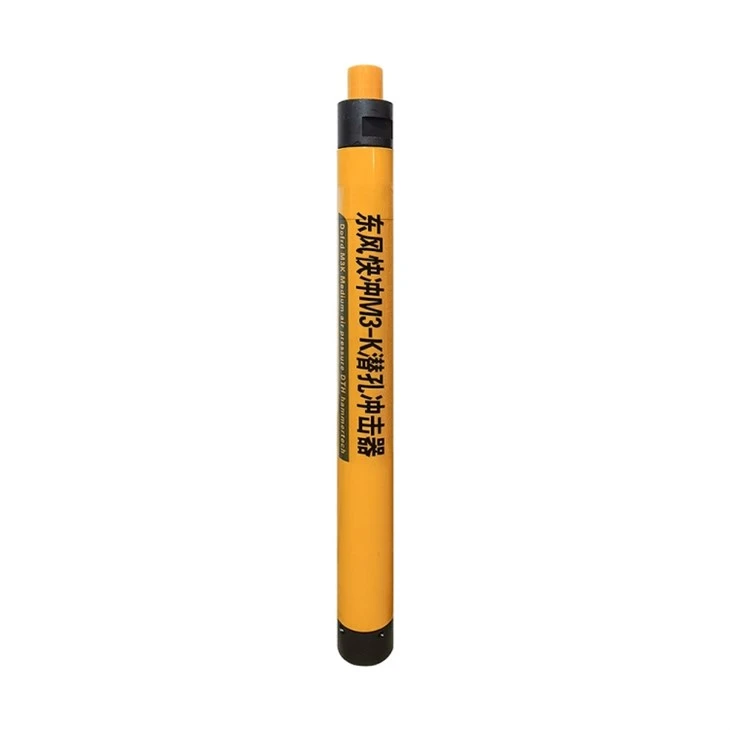
First off, let's talk about what DTH hammers are. DTH, or down-the-hole, hammers are percussion drilling tools that are used in a variety of applications, from mining and quarrying to construction and geothermal drilling. They work by using compressed air to drive a piston that strikes the drill bit, creating a powerful impact that breaks through rock and other hard materials.
Now, when it comes to drilling fluid, there are a few things to consider. The main function of drilling fluid in DTH hammer drilling is to cool the drill bit, lubricate the hammer and drill string, and remove cuttings from the borehole. Different types of DTH hammers may have different requirements based on their design, operating pressure, and the type of rock they're drilling through.
High Air Pressure DTH Hammer
For high air pressure DTH hammers, they typically operate at higher pressures, which means they can generate more power and penetrate harder rocks. These hammers often require a drilling fluid that can handle the high pressures and temperatures.
The drilling fluid for high air pressure DTH hammers should have good lubricating properties to reduce friction between the moving parts of the hammer. This helps to extend the life of the hammer and prevent premature wear and tear. It also needs to have excellent cooling capabilities to dissipate the heat generated during the drilling process. High-pressure drilling can generate a significant amount of heat, and if not properly cooled, it can damage the hammer and the drill bit.
In addition, the drilling fluid should be able to effectively carry the cuttings out of the borehole. High air pressure DTH hammers produce a large volume of cuttings, and the fluid needs to have enough viscosity to suspend the cuttings and transport them to the surface. Some common types of drilling fluids used with high air pressure DTH hammers include foam, polymer-based fluids, and oil-based fluids.
Medium Air Pressure DTH Hammer
Medium air pressure DTH hammers are a popular choice for many drilling applications. They offer a good balance between power and efficiency. The drilling fluid requirements for medium air pressure DTH hammers are a bit different from high-pressure hammers.
These hammers can usually operate with a wider range of drilling fluids. Water-based fluids are often a cost-effective option for medium air pressure DTH hammers. They are easy to obtain and dispose of, and they can provide adequate cooling and lubrication. However, in some cases, you may need to add additives to the water to improve its performance. For example, adding a small amount of polymer can increase the viscosity of the water, making it better at carrying cuttings.
Another important consideration for medium air pressure DTH hammers is the compatibility of the drilling fluid with the hammer's seals and components. Some fluids may cause corrosion or degradation of the seals, which can lead to leaks and reduced performance. So, it's crucial to choose a drilling fluid that is compatible with the materials used in the hammer.
Low Pressure Down-the-hole Hammer
Low Pressure Down-the-hole Hammers are typically used in softer rock formations or in applications where lower power is required. The drilling fluid requirements for these hammers are generally less demanding compared to high and medium pressure hammers.
Water is often the most common drilling fluid used with low pressure DTH hammers. It can provide basic cooling and lubrication, and it's easy to manage. However, if the rock formation is particularly sticky or has a high clay content, you may need to add a dispersant to the water to prevent the cuttings from sticking together and clogging the borehole.
In some cases, you may also consider using a light oil or a synthetic fluid for low pressure DTH hammers. These fluids can provide better lubrication and protection against corrosion, especially in environments where the water may contain contaminants.
Other Factors Affecting Drilling Fluid Requirements
Apart from the type of DTH hammer, there are other factors that can affect the drilling fluid requirements. The type of rock being drilled is one of the most important factors. Harder rocks, such as granite or basalt, generate more heat and produce larger cuttings, which may require a more robust drilling fluid. Softer rocks, on the other hand, may not require as much cooling or cutting removal capacity.
The depth of the borehole also plays a role. Deeper boreholes require a drilling fluid that can maintain its properties under high pressure and temperature conditions. As the depth increases, the pressure and temperature in the borehole also increase, which can affect the viscosity and performance of the drilling fluid.
The environmental conditions at the drilling site are also important. If the site is in a remote area or has limited access to water, you may need to choose a drilling fluid that can be reused or recycled. In addition, some environmental regulations may restrict the use of certain types of drilling fluids, so it's important to comply with these regulations.
Choosing the Right Drilling Fluid
Choosing the right drilling fluid for your DTH hammer is crucial for the success of your drilling operation. Here are some tips to help you make the right choice:
- Understand the Hammer's Requirements: Read the manufacturer's specifications and recommendations for the DTH hammer you're using. They will usually provide information on the suitable drilling fluids based on the hammer's design and operating parameters.
- Consider the Rock Formation: Analyze the type of rock you'll be drilling through. This will help you determine the level of cooling, lubrication, and cutting removal capacity required from the drilling fluid.
- Evaluate the Environmental Conditions: Take into account the environmental conditions at the drilling site, including access to water, temperature, and any regulatory requirements.
- Test the Drilling Fluid: Before starting a large-scale drilling operation, it's a good idea to conduct a small-scale test with the drilling fluid you're considering. This will allow you to evaluate its performance and make any necessary adjustments.
Conclusion
In conclusion, the drilling fluid requirements for DTH hammers depend on several factors, including the type of hammer, the rock formation, the depth of the borehole, and the environmental conditions. By understanding these factors and choosing the right drilling fluid, you can ensure the efficient and reliable operation of your DTH hammer.
If you're in the market for DTH hammers or have any questions about drilling fluid requirements, I'd be more than happy to help. Whether you're a small contractor or a large mining company, we have the expertise and products to meet your needs. Don't hesitate to reach out and start a conversation about your specific requirements. Let's work together to find the best solutions for your drilling projects.
References
- Drilling Fluid Handbook, Various Industry Publications
- DTH Hammer Manufacturer's Technical Documentation