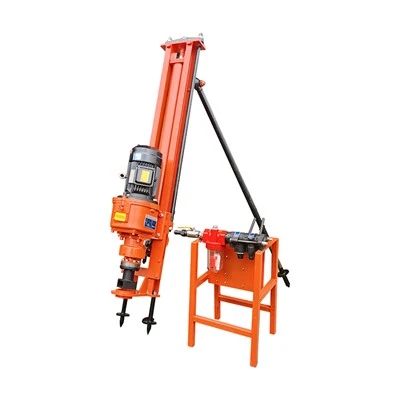
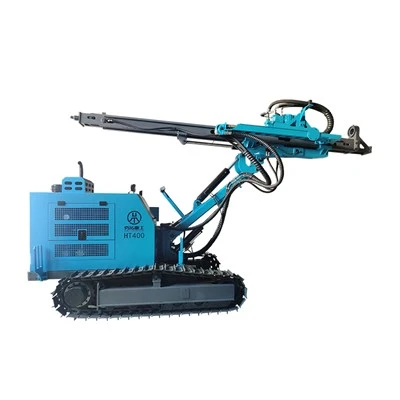
Cleaning water well drilling equipment is crucial for maintaining its performance, extending its lifespan, and ensuring the quality of the water well it creates. As a water well drilling equipment supplier, I've seen firsthand how proper cleaning can make a significant difference. In this blog, I'll walk you through the steps and best practices for cleaning your water well drilling equipment.
Why is Cleaning Important?
Before we jump into the cleaning process, let's talk about why it matters so much. Over time, drilling equipment accumulates dirt, mud, and other debris. This buildup can cause several problems. First, it can increase the wear and tear on the equipment. Dirt and grit act like sandpaper, slowly grinding away at moving parts. This leads to mechanical failures, reduced efficiency, and, ultimately, more frequent repairs.
Second, dirty equipment can compromise the quality of the well. Contaminants on the drilling tools can be transferred into the well, affecting the water quality. By keeping your equipment clean, you ensure that the water you're extracting remains pure and safe for use.


Getting Prepared
The first step in cleaning water well drilling equipment is to gather the necessary supplies. You'll need a high - pressure water hose, a variety of brushes (stiff - bristle for heavy - duty cleaning and soft - bristle for more delicate parts), a mild detergent, safety gear like gloves and goggles, and a clean, spacious area to work in.
Before you start the actual cleaning, it's important to power off and disconnect the equipment from any power sources. This is a safety measure to prevent any accidental startups while you're working on it.
Cleaning the Drilling Rigs
Let's start with the drilling rigs. For example, our SM300 Hydraulic Crawler Water Well Drilling Rig is a popular choice among our customers. To clean it, use the high - pressure water hose to remove the bulk of the mud and dirt. Start from the top and work your way down. Pay special attention to the crawlers and the drill mast.
After the initial rinse, apply a mild detergent to the areas with stubborn dirt. Use the stiff - bristle brush to scrub these areas gently. Be careful not to damage any sensitive components. Once you've scrubbed the entire rig, rinse it thoroughly with the high - pressure hose. Make sure to remove all the detergent residue.
Cleaning the Drilling Bits
The drilling bits are one of the most important parts of the water well drilling equipment. They are often the dirtiest because they come into direct contact with the ground. Take the bits out of the drill string carefully. Use a stiff - bristle brush to remove the mud and rock fragments from the cutting edges.
Soak the bits in a bucket of warm, soapy water for about 15 - 20 minutes. This will help loosen any remaining dirt. After soaking, use a soft - bristle brush to clean the more delicate parts of the bit, like the bearings. Rinse the bits thoroughly with clean water and dry them completely before reinstalling them.
Cleaning the Pump and Pipes
The pump and pipes are responsible for circulating the drilling fluid and extracting water from the well. To clean the pump, shut it off and disconnect it from the power source. Remove the intake and discharge hoses. Use a cleaner specifically designed for pumps to flush out any debris inside.
For the pipes, run a high - pressure water stream through them to remove any built - up sediment. You may need to use a pipe - cleaning brush to get rid of stubborn deposits. Check the pipes for any signs of corrosion or damage during the cleaning process. If you find any issues, it's best to replace the damaged sections.
Cleaning the Control Panel
The control panel is the brain of the water well drilling equipment. It requires a gentle touch when cleaning. Start by turning off the power and removing the cover. Use a soft, dry cloth to wipe away any dust. For stubborn spots, you can slightly dampen the cloth with a small amount of isopropyl alcohol.
Be extremely careful not to get any liquid inside the electrical components. After cleaning, let the panel dry completely before replacing the cover and turning the power back on.
Regular Maintenance and Inspection
Cleaning your water well drilling equipment should be part of a regular maintenance routine. After each cleaning, conduct a thorough inspection of the equipment. Look for signs of wear, damage, or loose parts. Tighten any loose bolts and nuts, and replace any worn - out components.
Regular maintenance not only keeps your equipment in good working condition but also helps you identify potential problems before they turn into major issues. This can save you a lot of time and money in the long run.
Tips for Efficient Cleaning
- Clean as you go: Don't let the dirt and debris build up over time. Try to do some basic cleaning after each use. This will make the deep - cleaning process much easier.
- Use the right tools: Using the appropriate brushes, cleaners, and hoses will make the cleaning process more effective.
- Follow the manufacturer's instructions: Each piece of equipment may have specific cleaning and maintenance requirements. Make sure to read and follow the instructions provided by the manufacturer.
Conclusion
Cleaning water well drilling equipment is an essential task that requires time and effort. By following the steps and tips outlined in this blog, you can keep your equipment in top - notch condition. Whether you're using a water well drilling machine or a Crawler Water Well Drilling Rig, proper cleaning will ensure its longevity and performance.
If you're in the market for high - quality water well drilling equipment or have any questions about equipment cleaning and maintenance, don't hesitate to reach out. We're here to help you make the most of your investment.
References
- Industry best practices for water well drilling equipment maintenance
- Manufacturer's manuals for water well drilling equipment