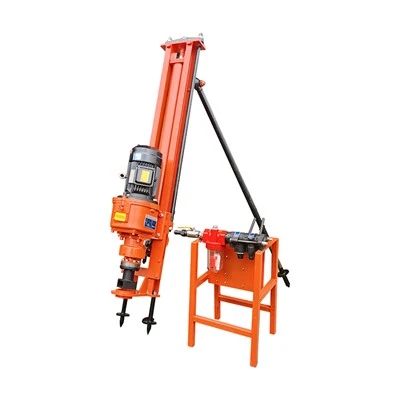
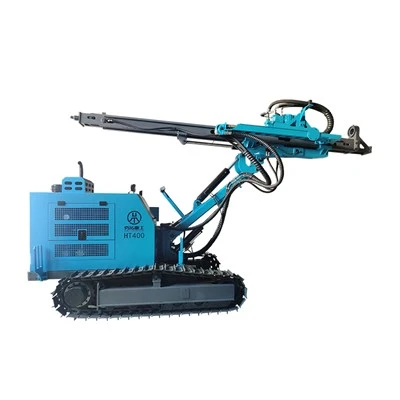
Can a hand rock drill be used for drilling in wood? This is a question that many people, especially those in the construction, woodworking, and DIY communities, often ask. As a supplier of hand rock drills, I am frequently confronted with inquiries regarding the versatility of our products. In this blog post, I will explore whether a hand rock drill can be effectively used for drilling in wood, examining the technical aspects, advantages, limitations, and practical considerations.


Technical Aspects of Hand Rock Drills
Before delving into the suitability of hand rock drills for wood drilling, it's essential to understand the basic principles of how these tools operate. Hand rock drills, also known as handheld rock drilling equipment hand held rock drilling equipment, are designed primarily for drilling into hard materials such as rock, concrete, and masonry. They typically use a pneumatic or hydraulic power source to generate high-frequency hammering action combined with rotation.
The pneumatic air leg rock drill pneumatic air leg rock drill is a common type of hand rock drill. It uses compressed air to drive a piston that delivers rapid blows to the drill bit, while the rotation mechanism helps to advance the bit into the material. Mini pneumatic drills mini pneumatic drill are smaller versions, often used for more precise or confined-space drilling in rocky substrates.
Suitability for Wood Drilling
In theory, a hand rock drill can be used to drill into wood. The high-energy impact and rotation provided by the drill can penetrate the wood fibers. However, there are several factors to consider when evaluating its practicality and effectiveness for this purpose.
Advantages
- Power and Penetration: Hand rock drills are powerful tools. They can generate significant force, which means they can drill through thick or dense wood relatively quickly. This can be an advantage when working with hardwoods or large-scale woodworking projects where speed is crucial.
- Versatility: For users who already own a hand rock drill for rock or concrete work, being able to use it for wood drilling can increase the tool's overall utility. It eliminates the need to purchase a separate wood drill, saving both money and storage space.
Limitations
- Lack of Precision: Hand rock drills are designed for heavy-duty applications in hard materials. Their high-impact nature can make it difficult to achieve precise holes in wood. The hammering action can cause the wood to splinter or crack around the hole, especially when drilling near the edges or in thin wood.
- Bit Compatibility: The drill bits used in hand rock drills are typically designed for rock and concrete. These bits may not be optimized for wood drilling. They may have a different shape, cutting angle, or material composition, which can result in inefficient cutting and premature wear when used on wood.
- Surface Finish: The rough hammering action of a hand rock drill can leave a rough and uneven surface inside the drilled hole. This may not be acceptable for woodworking projects where a smooth finish is required, such as in furniture making or cabinetry.
Practical Considerations
If you decide to use a hand rock drill for wood drilling, there are several practical steps you can take to minimize the limitations and improve the results.
Bit Selection
- Choose a drill bit specifically designed for wood. These bits usually have a sharp point and a spiral flute design that helps to remove the wood chips efficiently. Some wood drill bits also have a special coating or treatment to reduce friction and improve cutting performance.
- Consider using a pilot bit first. A pilot bit is a smaller drill bit that creates a guide hole for the larger hand rock drill bit. This can help to improve the accuracy of the hole and reduce the risk of splintering.
Speed and Pressure
- Adjust the speed and pressure of the hand rock drill according to the type and thickness of the wood. For softer woods, you may be able to use a lower speed and less pressure to avoid over-drilling and splintering. For harder woods, you may need to increase the speed and pressure slightly, but be careful not to apply too much force.
- Use a steady and consistent motion when drilling. Avoid jerking or pushing too hard, as this can cause the drill bit to bind or break.
Workpiece Support
- Secure the wood workpiece firmly to prevent it from moving during drilling. You can use clamps or a workbench vise to hold the wood in place. This will help to ensure accurate drilling and reduce the risk of injury.
- Place a scrap piece of wood underneath the workpiece to catch any splinters or chips that may fall through the hole. This can also help to protect the work surface.
Conclusion
In conclusion, while a hand rock drill can technically be used for drilling in wood, it has both advantages and limitations. It offers power and versatility but may lack the precision and surface finish required for many woodworking applications. If you need to drill precise, smooth holes in wood, it is generally recommended to use a dedicated wood drill. However, if you are working on a large-scale project where speed and power are more important than precision, or if you already own a hand rock drill and want to maximize its utility, using it for wood drilling can be a viable option.
As a supplier of hand rock drills, we understand the diverse needs of our customers. Whether you are looking for a tool for rock drilling, concrete work, or even occasional wood drilling, our range of hand held rock drilling equipment hand held rock drilling equipment, pneumatic air leg rock drills pneumatic air leg rock drill, and mini pneumatic drills mini pneumatic drill can provide the power and performance you need. If you have any questions or would like to discuss your specific requirements, please feel free to contact us for a detailed consultation and to explore our product range for potential procurement.
References
- "Handbook of Woodworking Tools and Techniques." Various authors.
- Manufacturer's manuals for hand rock drills and wood drill bits.