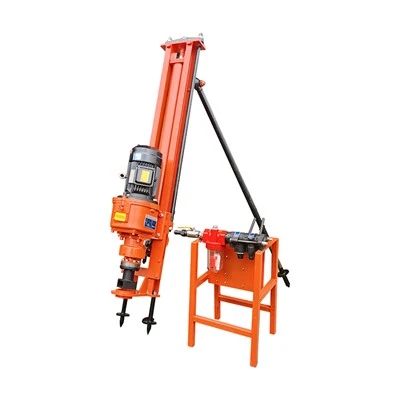
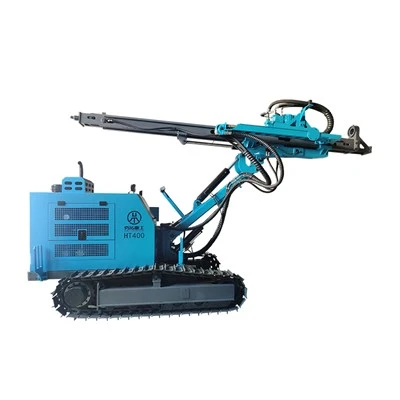
Hey there, drilling enthusiasts! As a down the hole (DTH) drilling supplier, I've seen firsthand how crucial it is to choose the right drill collar for your DTH drilling operations. It's not just about getting the job done; it's about getting it done efficiently, safely, and cost - effectively. In this blog, I'm gonna share some tips on how to pick the perfect drill collar for your DTH drilling needs.
Understanding the Basics of Drill Collars
First things first, let's talk about what drill collars are and what they do. Drill collars are heavy, thick - walled tubular sections that are placed at the bottom of the drill string. Their main job is to provide the weight needed to keep the drill bit in contact with the rock and to maintain the stability of the drill string. Without the right drill collar, your drill bit might not cut through the rock effectively, and you could end up with a lot of problems like hole deviation, poor penetration rates, and even equipment damage.
Consider the Drilling Depth
One of the most important factors to consider when choosing a drill collar is the drilling depth. Different depths require different types of drill collars. For shallow drilling, say up to 100 meters, you can usually get away with lighter and shorter drill collars. These are easier to handle and less expensive. But as you go deeper, you'll need heavier and longer drill collars to provide enough weight on the bit. For example, if you're drilling a well that's over 500 meters deep, you'll need a drill collar that can withstand the high pressure and torque at that depth.
Rock Formation and Hardness
The type of rock you're drilling through also plays a huge role in drill collar selection. If you're dealing with soft rocks like sandstone or shale, you can use a lighter drill collar. These rocks are easier to break, so you don't need as much weight on the bit. On the other hand, if you're drilling through hard rocks like granite or basalt, you'll need a heavier and more robust drill collar. Hard rocks require more force to break, and a proper drill collar can help transfer that force effectively from the drill string to the bit.
Compatibility with Drilling Equipment
Your drill collar needs to be compatible with the rest of your DTH drilling equipment. This includes the drill rig, the drill bit, and the mud circulation system. For instance, if you're using a DTH Drill Rig, you need to make sure the drill collar has the right thread size and connection type to fit properly. Using an incompatible drill collar can lead to leaks, vibrations, and even equipment failure.
Size and Weight
The size and weight of the drill collar are closely related to the drilling depth and the rock formation. Generally, larger and heavier drill collars are used for deeper wells and harder rocks. But you also need to consider the handling capabilities of your drilling crew and equipment. If a drill collar is too heavy or too long, it can be difficult to move around on the rig site, which can slow down the drilling process. So, you need to find a balance between the size and weight that meets your drilling requirements and your operational capabilities.
Material Quality
The material quality of the drill collar is another key factor. High - quality materials can withstand the harsh conditions of DTH drilling, such as high pressure, high temperature, and abrasion. Drill collars are usually made from alloy steels, which offer a good combination of strength, toughness, and corrosion resistance. When choosing a drill collar, look for ones that are made from high - grade alloy steels and have been heat - treated properly. This can ensure a longer service life and fewer maintenance issues.
Cost - Effectiveness
Let's face it, cost is always a consideration in any business. When choosing a drill collar, you need to find a balance between quality and cost. Cheaper drill collars might seem like a good deal at first, but they could end up costing you more in the long run due to frequent replacements and maintenance. On the other hand, the most expensive drill collars aren't always the best choice either. You need to evaluate the cost - effectiveness based on your specific drilling needs and budget.
Specialized Applications
In some cases, you might have specialized drilling applications that require a custom - designed drill collar. For example, if you're doing Anchor Drilling Rig work or DTH Open Pit Drill Rig operations, you might need drill collars with unique features like special coatings or non - magnetic properties. Make sure to discuss your specific requirements with your drill collar supplier to get the right product for your job.
Supplier Reputation
Finally, the reputation of your drill collar supplier matters a lot. A reliable supplier will not only provide high - quality products but also offer good customer service and technical support. Look for suppliers who have been in the business for a long time, have positive customer reviews, and are known for their expertise in DTH drilling equipment.
Conclusion
Choosing the right drill collar for DTH drilling is a complex process that involves considering multiple factors like drilling depth, rock formation, equipment compatibility, size, weight, material quality, cost - effectiveness, specialized applications, and supplier reputation. By taking the time to evaluate these factors carefully, you can ensure that you get the best drill collar for your specific needs.
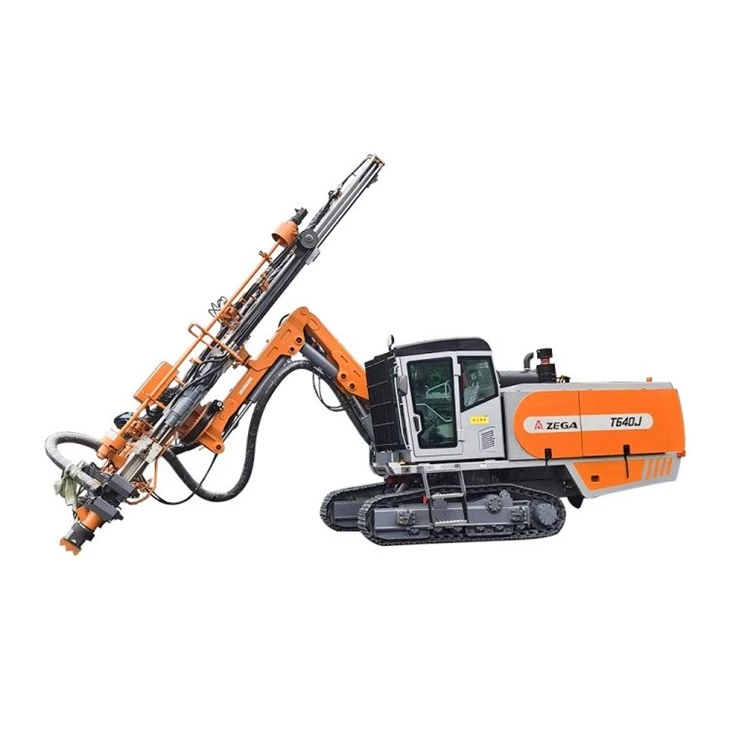
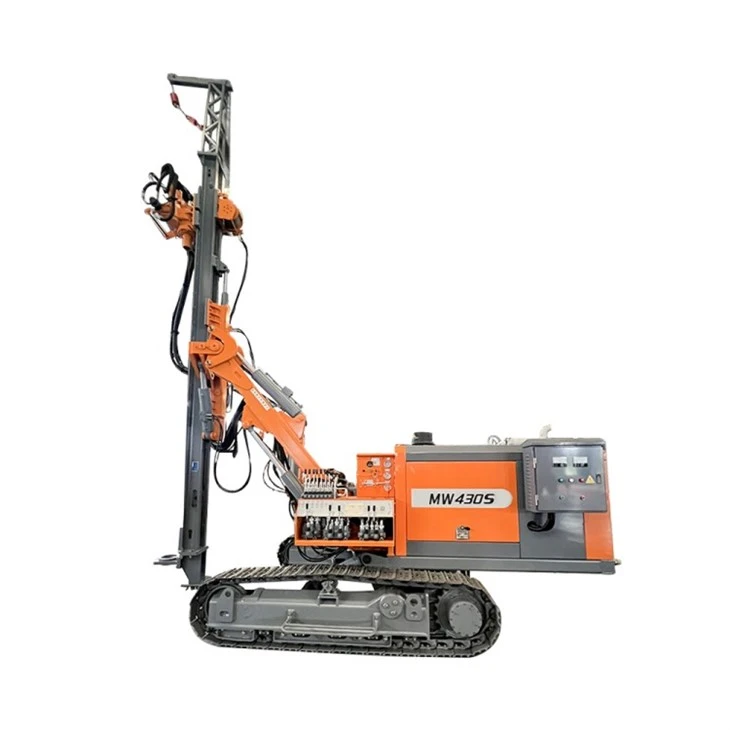
If you're in the market for a drill collar or have any questions about DTH drilling equipment, don't hesitate to reach out. We're here to help you make the right choice and ensure the success of your drilling operations. Contact us today to start a discussion about your procurement needs and let's work together to find the perfect drill collar for you.
References
- Drilling Engineering Handbook, various editions
- Journal of Petroleum Technology articles on DTH drilling
- Industry whitepapers on drill collar selection and usage