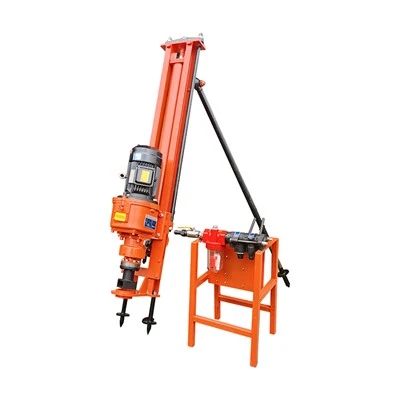
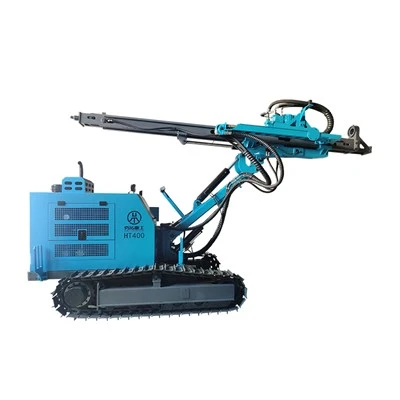
Hey there! As a supplier of pneumatic air leg rock drills, I've seen firsthand how crucial it is to adjust the torque properly. A well - adjusted torque can significantly enhance the performance of your pneumatic air leg rock drill, and make your rock - drilling tasks a whole lot easier. In this blog, I'll walk you through the process of adjusting the torque of a pneumatic air leg rock drill.
Why Torque Adjustment Matters
Before we dive into the adjustment process, let's quickly talk about why it's so important. Torque is essentially the rotational force that the drill applies to the rock. If the torque is too low, the drill may not be able to penetrate the rock effectively. You'll find yourself spending more time and energy trying to get the job done, and the drill bit might even wear out faster. On the other hand, if the torque is too high, it can put excessive stress on the drill components. This could lead to mechanical failures, such as broken gears or a damaged motor. So, getting the right torque is key to ensuring both the efficiency and longevity of your drill.


Understanding Your Pneumatic Air Leg Rock Drill
First things first, you need to have a basic understanding of how your pneumatic air leg rock drill works. These drills are powered by compressed air, which drives a piston inside the drill. The piston's movement is then transferred to the drill bit, creating the rotational force (torque) needed to break through the rock.
Most pneumatic air leg rock drills come with a torque adjustment mechanism. This can be a simple valve or a more complex control panel, depending on the model. Some of the features you might find include an air pressure regulator, which controls the amount of compressed air entering the drill, and a speed control, which can also affect the torque.
Tools You'll Need
To adjust the torque of your pneumatic air leg rock drill, you won't need a whole bunch of fancy tools. Here's what you'll typically need:
- A pressure gauge: This will help you measure the air pressure, which is directly related to the torque.
- A wrench: You'll use this to adjust the valves or bolts on the drill, if necessary.
- Safety gear: Always wear safety glasses, gloves, and ear protection when working with the drill.
Step - by - Step Torque Adjustment
Step 1: Prepare the Drill
Before you start adjusting the torque, make sure the drill is turned off and disconnected from the air supply. This is a safety precaution to prevent any accidental starts. Check the drill for any visible damage, such as loose parts or cracks. If you find any issues, it's best to get them fixed before proceeding.
Step 2: Set the Initial Air Pressure
Connect the pressure gauge to the air inlet of the drill. Then, reconnect the drill to the air supply. Slowly open the air valve to allow air to flow into the drill. Keep an eye on the pressure gauge. Most pneumatic air leg rock drills operate within a specific air pressure range, which is usually specified in the user manual. Set the air pressure to the lower end of this range as a starting point.
Step 3: Test the Drill
With the air pressure set, turn on the drill and test it on a small piece of rock or a test surface. Observe how the drill performs. Does it seem to be struggling to penetrate the rock? Or is it rotating too aggressively? These are signs that the torque might need adjustment.
Step 4: Adjust the Torque
If the drill is not performing well, it's time to adjust the torque. There are a few ways to do this:
- Adjust the air pressure: If the drill is not cutting through the rock effectively, you can increase the air pressure slightly. Turn the air pressure regulator clockwise to increase the pressure. However, be careful not to go beyond the recommended maximum pressure, as this can damage the drill.
- Use the speed control: Some drills have a speed control feature. Increasing the speed can also increase the torque to a certain extent. But keep in mind that higher speeds can also cause more wear and tear on the drill bit.
Make small adjustments and test the drill after each change. Keep doing this until you find the optimal torque for the type of rock you're working on.
Step 5: Fine - Tuning
Once you've found a good starting point for the torque, you can fine - tune it based on the specific conditions of your job. For example, if you're drilling in a hard rock formation, you might need to increase the torque slightly. If the rock is softer, you can reduce the torque to save energy and extend the life of the drill bit.
Different Rock Types and Torque Requirements
Different types of rock have different hardness levels, which means they require different torque settings. Here's a quick guide:
- Soft rocks (e.g., limestone, sandstone): These rocks are relatively easy to drill through. You can usually use a lower torque setting to save energy and prevent over - drilling.
- Medium - hard rocks (e.g., granite, basalt): For these rocks, you'll need a moderate to high torque setting. Make sure the drill has enough power to break through the rock, but don't go overboard.
- Hard rocks (e.g., quartzite, diamond - bearing rock): Drilling through hard rocks requires a high torque setting. You may need to push the drill to its limits, but always stay within the safe operating range.
Maintenance for Optimal Torque
To keep your pneumatic air leg rock drill performing at its best, regular maintenance is essential. Here are some tips:
- Clean the drill regularly: Remove any dust, debris, or rock particles from the drill. This can prevent clogs and ensure smooth operation.
- Lubricate the moving parts: Use the recommended lubricant to keep the gears, pistons, and other moving parts in good condition.
- Check the air hoses: Make sure the air hoses are not damaged or kinked. A restricted air flow can affect the torque and overall performance of the drill.
Other Rock Drilling Equipment in Our Range
Apart from pneumatic air leg rock drills, we also offer a range of other rock - drilling equipment. If you're looking for something more portable, our hand held rock drilling equipment is a great option. It's perfect for small - scale projects or areas where a larger drill won't fit. And if you need a drill for more specialized tasks, our mini pneumatic drill is a compact yet powerful choice.
Contact Us for Purchasing
If you're in the market for a pneumatic air leg rock drill or any other rock - drilling equipment, we'd love to hear from you. We offer high - quality products at competitive prices, and our team of experts can provide you with all the support you need. Whether you have questions about torque adjustment, product selection, or maintenance, we're here to help. Don't hesitate to reach out to us to start a purchasing discussion.
References
- Manufacturer's user manuals for pneumatic air leg rock drills.
- Industry standards and guidelines for rock - drilling equipment.