Hey there! As a drilling rod supplier, I've seen firsthand how crucial it is for these rods to handle high - pressure situations. Whether it's in mining, construction, or geotechnical exploration, high - pressure scenarios are pretty common, and the performance of the drilling rod can make or break a project.
Let's first understand what high - pressure situations mean in the context of drilling. In deep - well drilling, for example, the deeper you go, the higher the pressure exerted on the drilling rod. The weight of the overlying rock and soil, along with the hydrostatic pressure of the fluids in the well, can create an extremely high - pressure environment. Also, in hydraulic fracturing operations, high - pressure fluids are pumped into the well to fracture the rock, and the drilling rod has to withstand this intense pressure while maintaining its integrity.
One of the key factors in a drilling rod's ability to handle high - pressure situations is its material. We use high - strength alloy steels in our drilling rods. These steels are specifically designed to have excellent mechanical properties, such as high tensile strength and toughness. Tensile strength is important because it determines how much pulling force the rod can withstand without breaking. In high - pressure situations, there are often significant axial forces acting on the rod, and a rod with low tensile strength would simply snap under the pressure.
Toughness, on the other hand, allows the rod to absorb energy without fracturing. When the rod is subjected to sudden shocks or vibrations in a high - pressure environment, its toughness helps it to remain intact. For instance, if there's a sudden increase in pressure due to a rock collapse in the wellbore, a tough rod can handle the shock better than a brittle one.
Another important aspect is the design of the drilling rod. Our rods are engineered with a precise internal and external geometry. The internal diameter is carefully calculated to ensure proper fluid flow. In high - pressure drilling, fluids are used for various purposes, such as cooling the drill bit, carrying cuttings to the surface, and maintaining wellbore stability. If the internal diameter is too small, the fluid flow will be restricted, leading to increased pressure within the rod and potentially causing damage.
The external shape of the rod also plays a role. A smooth and streamlined exterior reduces friction as the rod moves through the wellbore. In high - pressure situations, minimizing friction is crucial because excessive friction can generate heat, which can weaken the rod material over time. Additionally, a well - designed external shape helps to distribute the pressure evenly along the length of the rod, preventing stress concentrations that could lead to failure.
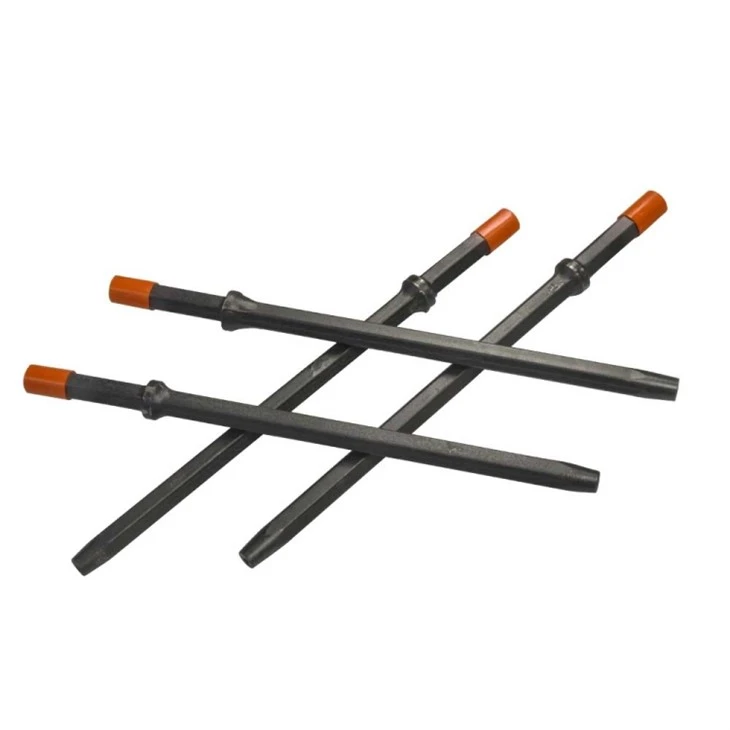

Thread design is yet another critical factor. The threads on a drilling rod are used to connect different sections of the rod together. In high - pressure applications, a secure and reliable thread connection is essential. Our Threaded Drill Bits Shank Adapter is designed with high - precision threads that provide a tight fit. This not only ensures that the rod sections stay connected under high pressure but also helps to transfer the load evenly between the sections.
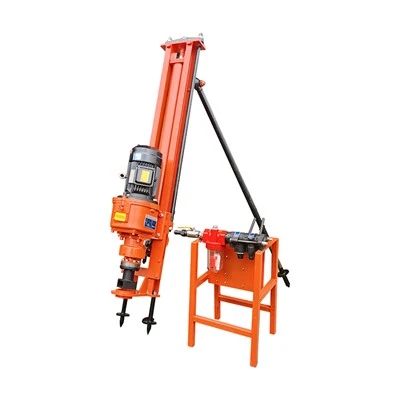
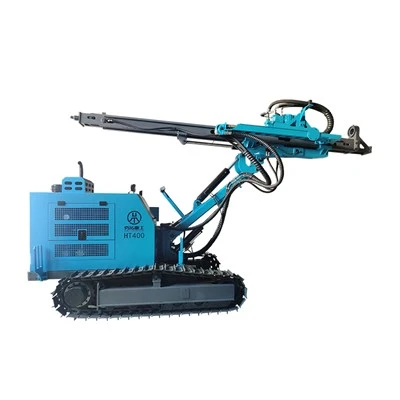
Now, let's talk about some real - world applications. In the mining industry, drilling rods are used to extract valuable minerals from deep underground. Mines often have high - pressure zones, and the drilling rods need to be able to penetrate through hard rock formations while withstanding the high - pressure conditions. Our Rock Drilling Rig is specifically designed for these tough mining applications. It can handle the high - pressure and high - torque requirements of mining operations, ensuring efficient and reliable drilling.
In geotechnical exploration, drilling rods are used to collect soil and rock samples from the ground. This often involves drilling in high - pressure groundwater environments. Our Geotechnical Drill Rod is engineered to resist corrosion from the groundwater and to handle the pressure variations as it moves through different soil and rock layers.
To ensure the long - term performance of our drilling rods in high - pressure situations, we also offer comprehensive testing and quality control. Before our rods leave the factory, they undergo a series of tests, including pressure testing, ultrasonic testing, and magnetic particle testing. These tests help us to detect any potential defects or weaknesses in the rods, ensuring that only the highest - quality products reach our customers.
In conclusion, a drilling rod's ability to handle high - pressure situations depends on a combination of factors, including material, design, and manufacturing quality. At our company, we're constantly researching and developing new technologies to improve the performance of our drilling rods in high - pressure environments. If you're in the market for high - quality drilling rods that can handle the toughest high - pressure situations, we'd love to hear from you. Whether you're involved in mining, construction, or geotechnical exploration, we have the right drilling rod solutions for you. Reach out to us to start a conversation about your specific needs and how we can help you with your projects.
References:
- Material Science for Drilling Applications - A Comprehensive Guide
- Drilling Rod Design and Engineering Handbook
- Case Studies in High - Pressure Drilling Operations