Hey there! As a supplier of hand rock drills, I often get asked the question, "How long does a hand rock drill last?" Well, it's not a one - size - fits - all answer, and in this blog, I'll break down the factors that influence the lifespan of a hand rock drill and give you a rough idea of what to expect.
Factors Affecting the Lifespan of a Hand Rock Drill
Quality of the Drill
The first and most obvious factor is the quality of the hand rock drill itself. Higher - quality drills are usually made with better materials and more precise manufacturing processes. For example, a drill with a strong, durable casing and high - grade internal components will generally last longer than a cheaper, lower - quality alternative. When you invest in a well - made hand rock drill, you're likely looking at a lifespan that can range from 5 to 10 years or even more, depending on usage.
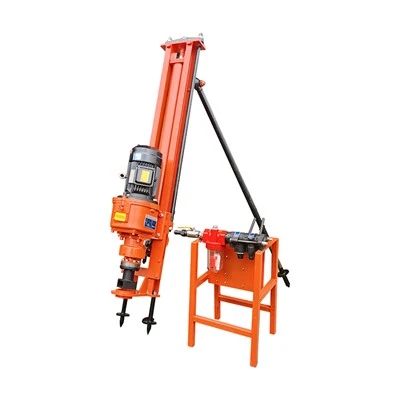
Our mini pneumatic drill is a great example of a high - quality product. It's built with top - notch materials that can withstand the rigors of continuous use. The precision - engineered components ensure smooth operation and less wear and tear over time.
Frequency of Use
How often you use the hand rock drill plays a huge role in its lifespan. If you're using it for a few hours a week on small projects, it's going to last a lot longer than if you're using it for 8 - 10 hours a day, five days a week in a heavy - duty industrial setting.

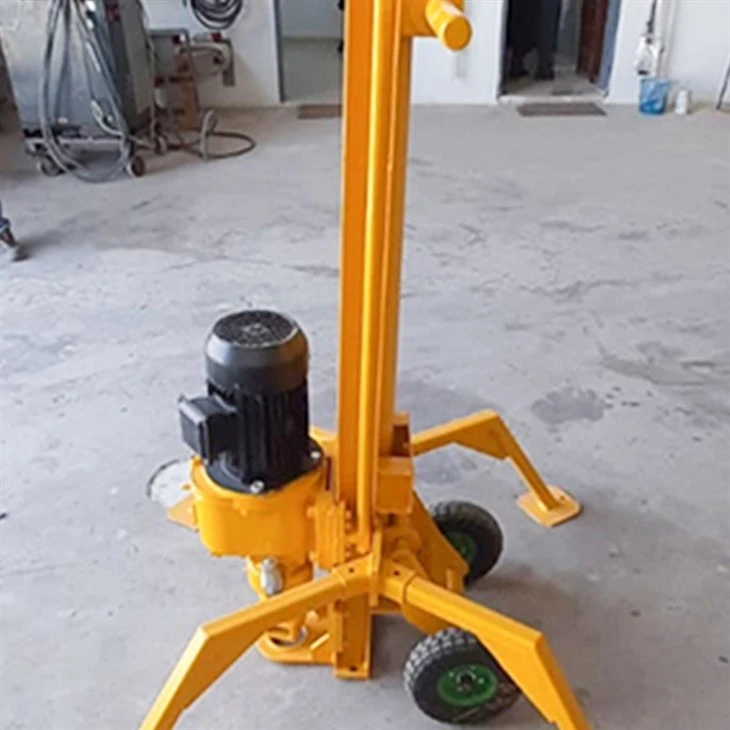
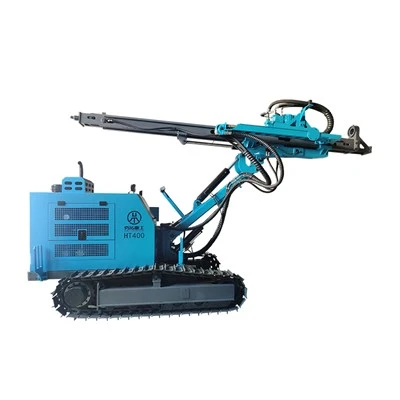
For light - duty users, say a DIY enthusiast who uses the drill a couple of times a month for home improvement projects, a hand rock drill can last well over 10 years. On the other hand, in a professional mining or construction environment where the drill is in constant use, the lifespan might be closer to 3 - 5 years. Our pneumatic air leg rock drill is designed to handle high - frequency use, but even the best drills will eventually show signs of wear with intense, non - stop operation.
Type of Rock and Working Conditions
The type of rock you're drilling into also affects the drill's lifespan. Softer rocks like limestone or sandstone are easier on the drill bits and the internal components compared to harder rocks like granite or basalt. Drilling into hard rock puts more stress on the drill, causing faster wear on the bits and other parts.
In addition to the rock type, the working conditions matter. If you're working in a dusty environment, the dust can get into the drill's internal mechanisms and cause damage over time. Moisture can also lead to corrosion, especially if the drill isn't properly maintained. For instance, our hand held rock drilling equipment performs well in various conditions, but it's always best to keep it clean and dry to extend its lifespan.
Maintenance
Proper maintenance is crucial for the longevity of a hand rock drill. Regular cleaning, lubrication, and inspection can significantly increase its lifespan. You should clean the drill after each use to remove any dust, debris, or rock particles. Lubricating the moving parts helps reduce friction and wear.
Inspecting the drill for any signs of damage, such as cracks in the casing or worn - out drill bits, allows you to address issues before they become major problems. If you follow a strict maintenance schedule, you can add several years to the drill's lifespan. For example, a drill that might normally last 5 years with minimal maintenance could last 7 - 8 years with proper care.
Average Lifespan Estimates
Based on the factors I've mentioned, here are some rough estimates of the lifespan of hand rock drills:
- Light - duty use (DIY and occasional projects): 10+ years
- Moderate - duty use (small - scale construction or mining, a few hours a day): 5 - 10 years
- Heavy - duty use (full - time industrial applications): 3 - 5 years
Keep in mind that these are just averages, and the actual lifespan can vary depending on how well you take care of the drill and the specific conditions in which it's used.
Extending the Lifespan of Your Hand Rock Drill
If you want to get the most out of your hand rock drill, here are some tips:
- Use the right drill bits: Using the appropriate drill bits for the type of rock you're drilling can reduce wear on the drill. For hard rocks, use diamond - tipped or carbide - tipped bits.
- Follow the manufacturer's instructions: The manufacturer provides guidelines on how to operate and maintain the drill. Following these instructions will ensure optimal performance and longevity.
- Store the drill properly: When not in use, store the drill in a dry, clean place. You can also use a protective case to prevent damage.
Why Choose Our Hand Rock Drills
As a supplier, we take pride in offering high - quality hand rock drills. Our products are designed with the latest technology and built to last. We use only the best materials and have strict quality control measures in place.
Our customer support team is always ready to assist you with any questions you might have about the drills, including maintenance and troubleshooting. Whether you need a drill for a small DIY project or a large - scale industrial application, we have the right product for you.
If you're in the market for a hand rock drill or want to learn more about our products, don't hesitate to reach out. We're here to help you make the best choice for your needs. Contact us to start a discussion about your requirements and how our hand rock drills can meet them. We look forward to working with you!
References
- General knowledge of hand rock drill technology and industry standards.
- Experience and feedback from customers using our hand rock drills.