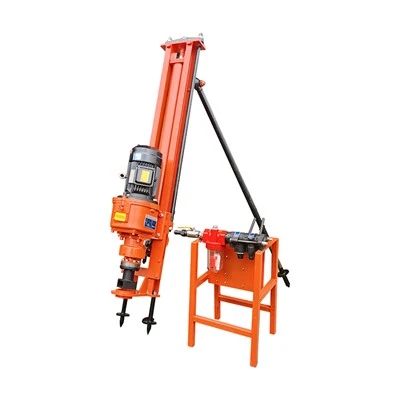
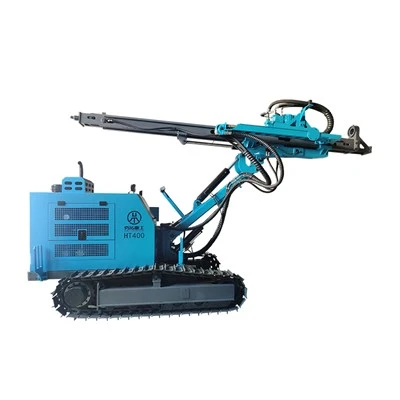
Hey there! As a supplier of drilling accessories, I've seen my fair share of problems that customers run into with their gear. Troubleshooting these issues can be a real headache, but don't worry – I'm here to help you out. In this blog post, I'll share some tips and tricks on how to troubleshoot common problems with drilling accessories.
1. Bit Wear and Breakage
One of the most common problems you'll encounter is bit wear and breakage. A worn or broken bit can lead to inefficient drilling, slower progress, and even damage to your drilling equipment.
How to spot it:
- Check the bit for visible signs of wear, like dull edges or missing carbide tips. If the bit is chipping or cracking, that's a clear sign it's in trouble.
- Notice if the drilling speed has decreased significantly. A worn bit won't cut through the material as easily as a new one.
- Listen for any strange noises during drilling. Excessive vibration or rattling could indicate a problem with the bit.
What to do about it:
- If the bit is just dull, you might be able to sharpen it. There are bit sharpening tools available that can help you restore the cutting edges.
- For a broken bit, it's usually best to replace it. Make sure to choose a bit that's suitable for the type of material you're drilling into. You can check our catalog for a wide range of high - quality bits.
2. Mud Pump Issues
The Mud Pump is an essential part of the drilling process. It circulates the drilling fluid, which helps to cool the bit, remove cuttings, and maintain pressure in the borehole.
How to spot problems:
- Check the flow rate of the mud. If it's lower than normal, there could be a blockage in the pump or the hoses.
- Listen for unusual noises from the pump. A knocking or grinding sound might mean there's a problem with the pump's internal components.
- Look for leaks around the pump. Leaking fluid can indicate a damaged seal or gasket.
What to do about it:

- If there's a blockage, first turn off the pump and relieve the pressure. Then, check the hoses and the pump intake for any debris. You can use a brush or a small rod to clear the blockage.
- For noisy pumps, it might be a good idea to check the lubrication. Make sure the pump is properly lubricated according to the manufacturer's instructions. If the noise persists, it could be a sign of a more serious internal problem, and you may need to consult a professional.
- To fix leaks, replace the damaged seals or gaskets. You can find replacement parts in our inventory.
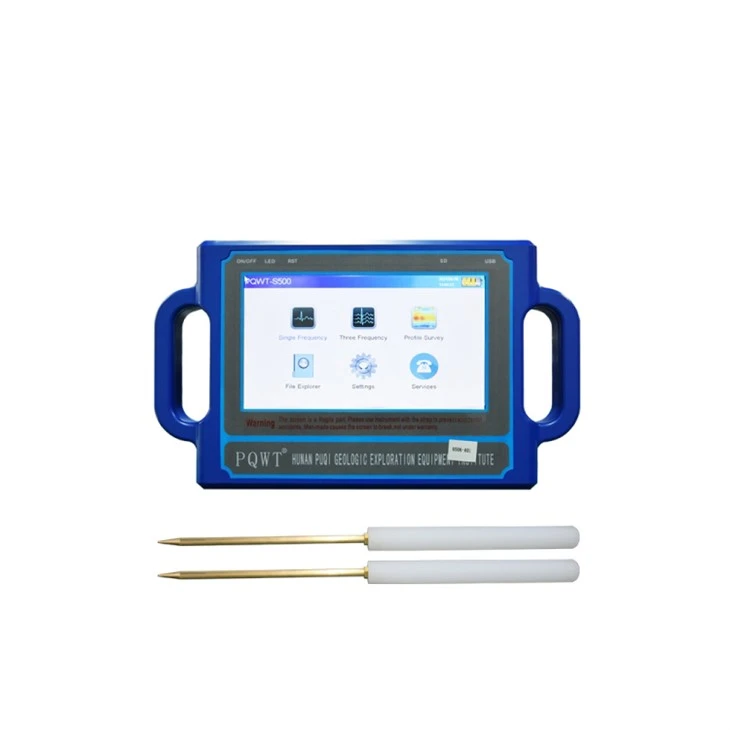
3. Underground Water Detector Malfunctions
Whether you're using an underground Water Detector 300m or a standard Underground Water Detector, malfunctions can occur.
How to spot problems:
- Check the display on the detector. If it's showing erratic readings or no readings at all, there could be an issue.
- Notice if the detector is not responding to changes in the environment. For example, if you move it to an area where there should be water, but it doesn't detect anything.
- Look for any physical damage to the detector, like cracks in the casing or loose connections.
What to do about it:
- First, check the batteries. A low - battery can cause inaccurate readings. Replace the batteries if necessary.
- If the display is not working, try resetting the detector according to the user manual.
- For physical damage, if it's minor, you might be able to repair it yourself. But for more serious damage, it's best to contact us for a replacement or professional repair.
4. Drill String Vibration
Excessive drill string vibration can cause a lot of problems, including premature wear on the drilling accessories and reduced drilling efficiency.
How to spot it:
- You can feel the vibration through the drilling rig. If it's shaking more than usual, that's a sign of a problem.
- Look for signs of wear on the drill string components, like excessive wear on the couplings or the drill pipe.
- Notice if the drilling process is becoming more difficult. Vibration can make it harder to control the drill bit.
What to do about it:
- Check the alignment of the drill string. Misaligned drill pipes can cause vibration. Make sure all the pipes are properly connected and aligned.
- Adjust the drilling parameters, such as the rotation speed and the weight on the bit. Sometimes, a simple adjustment can reduce the vibration.
- Consider using vibration dampeners. We offer a variety of vibration dampening accessories that can help reduce the impact of vibration on your drilling equipment.
5. Connection and Sealing Problems
Loose connections and poor sealing can lead to fluid leaks, loss of pressure, and even equipment failure.
How to spot it:
- Look for leaks around the connections. You might see fluid dripping or spraying from the joints.
- Check the tightness of the connections. If a connection feels loose, it could be a problem.
- Notice if there's a loss of pressure in the system. This could be due to a leaky connection.
What to do about it:
- Tighten the loose connections using the appropriate tools. Make sure not to over - tighten, as this can damage the components.
- If there's a sealing problem, replace the seals. We have a wide selection of high - quality seals that are designed to fit our drilling accessories.
Conclusion
Troubleshooting problems with your drilling accessories can be a bit of a challenge, but with the right knowledge and tools, you can keep your equipment running smoothly. Remember, if you're ever in doubt or if you can't solve the problem on your own, don't hesitate to reach out to us. We're here to support you and provide you with the best solutions for your drilling needs.
If you're interested in purchasing high - quality drilling accessories or need more information about troubleshooting, feel free to contact us for a friendly chat and a great deal. Let's work together to make your drilling projects a success!
References
- Drilling Equipment Handbook
- Manufacturer's manuals for various drilling accessories