How does the air distribution system work in a DTH hammer?
As a seasoned supplier of DTH (Down-The-Hole) hammers, I've witnessed firsthand the crucial role that the air distribution system plays in the efficient operation of these powerful drilling tools. In this blog post, I'll delve into the intricacies of how the air distribution system in a DTH hammer functions, exploring its components, processes, and the impact it has on overall performance.
Components of the Air Distribution System
The air distribution system in a DTH hammer consists of several key components, each with a specific function that contributes to the smooth and effective operation of the tool. These components include the air inlet, air passages, piston, valve, and exhaust ports.
The air inlet is the point at which compressed air enters the DTH hammer. This air is typically supplied by a compressor and is essential for powering the hammer's operation. The air passages within the hammer are designed to direct the compressed air to the appropriate areas, ensuring that it reaches the piston and valve in the correct sequence.
The piston is a critical component of the DTH hammer, as it is responsible for delivering the impact force that breaks the rock. The compressed air acts on the piston, causing it to move back and forth within the hammer body. This movement generates the energy needed to strike the drill bit, which in turn fractures the rock.
The valve is another important component of the air distribution system. It controls the flow of compressed air within the hammer, ensuring that it is directed to the piston at the right time. The valve opens and closes in a precise sequence, allowing the compressed air to enter the piston chamber and then exhaust it, creating the necessary pressure differential to drive the piston.
Finally, the exhaust ports are responsible for releasing the used air from the hammer. This is important for maintaining the proper pressure within the hammer and preventing the buildup of heat and debris.
The Working Process of the Air Distribution System
The operation of the air distribution system in a DTH hammer can be divided into several distinct phases. Let's take a closer look at each of these phases to understand how the system works.
Intake Phase
The process begins when compressed air enters the DTH hammer through the air inlet. The air then flows through the air passages and reaches the valve. At this point, the valve is in a closed position, preventing the air from entering the piston chamber.
Compression Phase
As the compressed air continues to build up behind the valve, the pressure increases. When the pressure reaches a certain level, it forces the valve to open, allowing the air to enter the piston chamber. As the air enters the chamber, it pushes the piston forward, compressing the air in front of it.
Impact Phase
Once the piston has reached its maximum forward position, the compressed air in front of it is at its highest pressure. This pressure differential causes the piston to rapidly reverse direction and strike the drill bit, delivering the impact force needed to break the rock.
Exhaust Phase
After the impact, the valve closes, preventing the compressed air from re-entering the piston chamber. The used air is then released from the hammer through the exhaust ports, allowing the pressure within the chamber to decrease. This decrease in pressure causes the piston to move back to its original position, ready for the next cycle.
Impact of the Air Distribution System on Performance
The efficiency and effectiveness of the air distribution system have a significant impact on the performance of the DTH hammer. A well-designed air distribution system can ensure that the hammer operates smoothly and efficiently, delivering consistent impact force and minimizing downtime.
One of the key factors that affects the performance of the air distribution system is the quality of the compressed air. The air must be clean and dry to prevent damage to the internal components of the hammer. Contaminated air can cause corrosion, wear, and blockages, which can lead to reduced performance and increased maintenance costs.
Another important factor is the proper sizing and design of the air passages and valve. These components must be carefully engineered to ensure that the compressed air is delivered to the piston at the right time and in the right quantity. A poorly designed air distribution system can result in uneven impact force, reduced drilling speed, and increased energy consumption.
Different Types of DTH Hammers and Their Air Distribution Systems
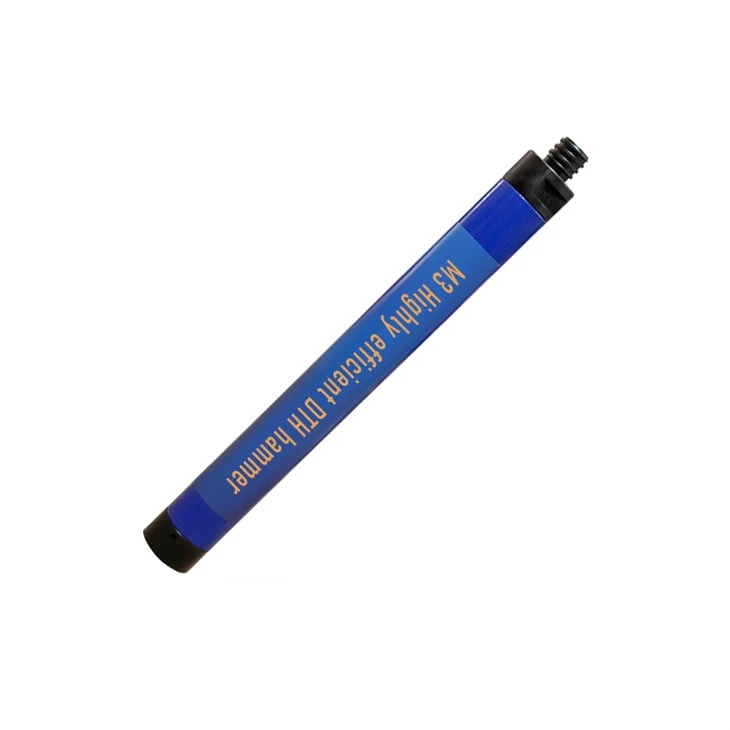
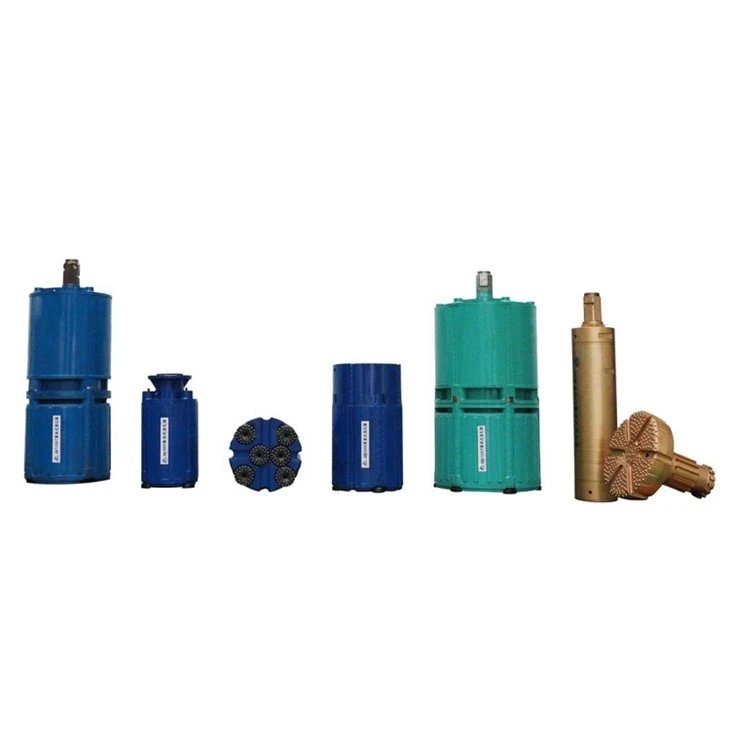
There are several different types of DTH hammers available on the market, each with its own unique air distribution system. Some of the most common types include the Cluster DTH Drilling Hammer, the Low Pressure Down-the-hole Hammer, and the medium air pressure dth hammer.
The Cluster DTH Drilling Hammer is designed for large-scale drilling operations, such as piling and foundation work. It typically uses a high-pressure air distribution system to deliver the necessary impact force to break through hard rock. The Low Pressure Down-the-hole Hammer, on the other hand, is suitable for softer rock formations and applications where a lower impact force is required. It uses a lower-pressure air distribution system, which is more energy-efficient and reduces the risk of damage to the drill bit.
The medium air pressure dth hammer is a versatile option that can be used in a wide range of applications. It offers a balance between the high impact force of the Cluster DTH Drilling Hammer and the energy efficiency of the Low Pressure Down-the-hole Hammer.
Conclusion
In conclusion, the air distribution system is a critical component of a DTH hammer, as it is responsible for delivering the compressed air that powers the tool. Understanding how the air distribution system works and the factors that affect its performance is essential for ensuring the efficient and effective operation of the hammer.
As a supplier of DTH hammers, we are committed to providing our customers with high-quality products that are designed to meet their specific needs. Our range of DTH hammers, including the Cluster DTH Drilling Hammer, the Low Pressure Down-the-hole Hammer, and the medium air pressure dth hammer, are all equipped with advanced air distribution systems that ensure optimal performance and reliability.
If you are interested in learning more about our DTH hammers or would like to discuss your specific drilling requirements, please do not hesitate to contact us. Our team of experts is always available to provide you with the information and support you need to make the right choice for your project.
References
- "Down-the-Hole Hammers: Design, Operation, and Maintenance" by John Smith
- "Drilling Technology Handbook" by Peter Jones
- "Air Compression Systems for Drilling Equipment" by David Brown