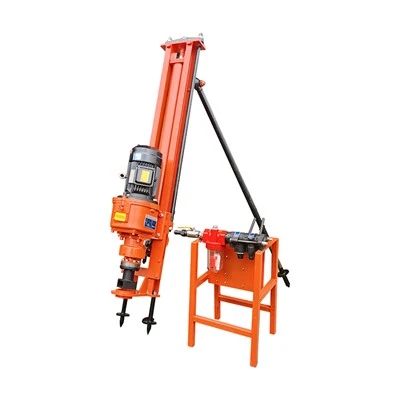
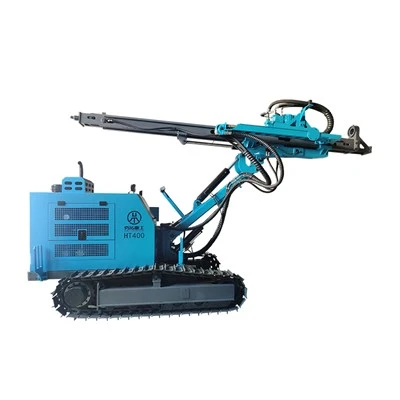
When operating a pneumatic rock drilling rig, safety should always be the top priority. As a supplier of pneumatic rock drilling rigs, I understand the importance of providing comprehensive safety guidelines to ensure the well - being of operators. In this blog, I will discuss the essential safety precautions that should be taken when using these powerful machines.
Pre - operation Checks
Before starting the pneumatic rock drilling rig, a series of pre - operation checks must be carried out. First, examine the overall condition of the rig. Check for any visible damage to the frame, hoses, and fittings. Any cracks, leaks, or loose parts can pose significant safety risks during operation. For example, a cracked frame may not be able to withstand the vibrations and stresses of drilling, leading to a sudden failure. A leaking hose can cause a loss of pneumatic pressure, reducing the efficiency of the drill and potentially causing the drill bit to jam.
Inspect the air compressor, which is the power source for the pneumatic rock drilling rig. Ensure that it is in good working condition, with proper oil levels, clean air filters, and no abnormal noises. A malfunctioning air compressor can not only affect the performance of the drill but also lead to dangerous situations such as overheating or sudden pressure surges.
Check the drill bit. A dull or damaged drill bit can increase the workload on the rig, leading to overheating and possible breakage. Make sure the drill bit is properly installed and tightened. A loose drill bit can come off during operation, posing a serious hazard to the operator and those in the vicinity.
Verify the safety devices on the rig. These may include emergency stop buttons, pressure relief valves, and guards. Ensure that all safety devices are functioning correctly. For instance, an emergency stop button should be easily accessible and able to immediately shut down the rig in case of an emergency. Pressure relief valves are crucial for preventing excessive pressure build - up, which can cause the rig to explode.
Personal Protective Equipment (PPE)
Personal protective equipment is a fundamental part of safety when operating a pneumatic rock drilling rig. Operators should wear a hard hat to protect their heads from falling rocks, debris, or any possible impact from the rig itself. Safety glasses or goggles are necessary to shield the eyes from flying rock chips, dust, and other particles generated during drilling.
Hearing protection is also essential. The noise level generated by a pneumatic rock drilling rig can be extremely high, which can cause permanent hearing damage over time. Earplugs or earmuffs should be worn to reduce the noise exposure to a safe level.
Wear appropriate work gloves to protect the hands from cuts, abrasions, and the high - pressure air that may be present around the hoses. Steel - toed boots are recommended to safeguard the feet from falling objects or accidental impacts.
A dust mask or respirator should be worn to prevent inhalation of harmful dust particles. Rock dust can contain silica, which is a known carcinogen. Prolonged exposure to silica dust can lead to serious lung diseases such as silicosis.
Operating Procedures
During operation, it is crucial to follow the correct operating procedures. First, ensure that the rig is properly positioned on a stable surface. An unstable rig can tip over during drilling, causing serious injuries to the operator. Use leveling devices if necessary to ensure the rig is horizontal.
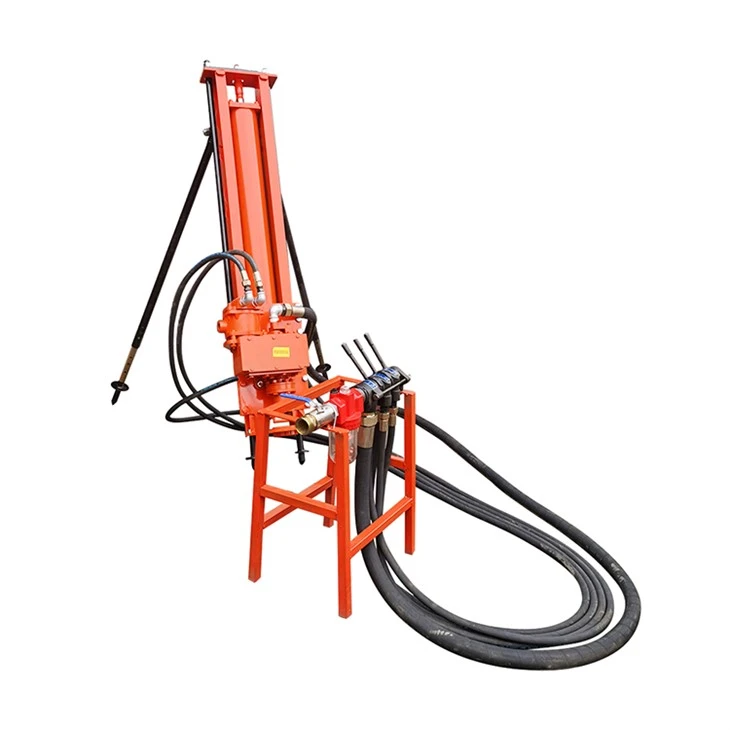

When starting the rig, follow the manufacturer's instructions carefully. Gradually increase the air pressure to the recommended level. Sudden increases in pressure can cause the drill bit to jam or the rig to malfunction.
Maintain a proper stance and grip on the rig. Keep a firm hold on the handles to maintain control during drilling. Avoid overreaching or standing in a position where you may lose your balance.
Be aware of the drilling depth and the type of rock being drilled. Different types of rock require different drilling techniques and pressures. For example, harder rocks may require higher pressure and slower drilling speeds, while softer rocks may allow for faster drilling but with a lower risk of bit breakage.
Do not leave the rig unattended while it is running. Always keep an eye on the operation and be ready to react in case of any abnormalities. If you need to leave the rig for any reason, shut it down first.
Maintenance and Inspection
Regular maintenance and inspection are essential for the safe operation of a pneumatic rock drilling rig. Establish a maintenance schedule and follow it strictly. This may include daily, weekly, monthly, and annual maintenance tasks.
Daily maintenance tasks may include checking the air hoses for leaks, cleaning the drill bit, and lubricating moving parts. Weekly maintenance could involve inspecting the compressor in more detail, checking the pressure gauges, and tightening any loose bolts or nuts.
Monthly and annual maintenance tasks may require more in - depth inspections and servicing. This could include disassembling and cleaning certain components, replacing worn - out parts, and conducting performance tests on the rig.
Keep records of all maintenance and inspection activities. This can help identify any recurring problems and ensure that the rig is always in a safe and reliable condition.
Training and Education
Proper training and education are vital for the safe operation of a pneumatic rock drilling rig. Operators should receive comprehensive training on the rig's operation, maintenance, and safety procedures. This training should be provided by qualified instructors who are familiar with the specific model of the rig.
Training should cover theoretical knowledge, such as the working principles of the pneumatic system, the functions of different components, and the potential hazards associated with the rig. It should also include practical hands - on training, where operators can practice starting, operating, and shutting down the rig under the supervision of an instructor.
Regular refresher courses should be provided to keep operators updated on the latest safety procedures and any new features or improvements to the rig. This can help prevent accidents caused by operator error or lack of knowledge.
Additional Safety Considerations
In addition to the above safety precautions, there are some other factors to consider. When working in a confined space, ensure proper ventilation to prevent the build - up of harmful gases and dust. Use appropriate lighting to ensure good visibility, especially in dark or underground drilling environments.
Be aware of the electrical systems in the vicinity if there are any. Pneumatic rock drilling rigs are powered by compressed air, but there may be other electrical equipment nearby. Ensure that all electrical connections are properly insulated and protected to prevent electrical shocks.
When transporting the pneumatic rock drilling rig, follow proper loading and securing procedures. Make sure the rig is firmly attached to the transport vehicle to prevent it from shifting or falling during transit.
Conclusion
Operating a pneumatic rock drilling rig safely requires a combination of pre - operation checks, proper use of personal protective equipment, correct operating procedures, regular maintenance, and adequate training. By following these safety precautions, operators can significantly reduce the risk of accidents and ensure a safe working environment.
If you are interested in our small down the hole drilling, mini pneumatic drill or pneumatic air leg rock drill, please feel free to contact us for more information and to discuss your procurement needs. We are committed to providing high - quality pneumatic rock drilling rigs and comprehensive safety guidance to our customers.
References
- Manufacturer's manuals for pneumatic rock drilling rigs
- Occupational Safety and Health Administration (OSHA) guidelines for construction and mining operations
- Industry standards and best practices for pneumatic equipment operation