Hey there! As a drilling rig supplier, I've seen firsthand the crucial role that various components play in the drilling process. One such component that often goes unnoticed but is incredibly important is the mud gas separator. In this blog post, I'll be diving into the functions of a mud gas separator on a drilling rig and why it's an essential part of the operation.
What is a Mud Gas Separator?
Before we get into the functions, let's quickly go over what a mud gas separator is. Simply put, it's a device used in drilling operations to separate gas from the drilling mud. The drilling mud, also known as drilling fluid, is a crucial part of the drilling process. It helps to cool and lubricate the drill bit, carry cuttings to the surface, and maintain pressure in the wellbore. However, during the drilling process, gas can enter the mud, which can be dangerous if not properly managed. That's where the mud gas separator comes in.
Function 1: Gas Separation
The primary function of a mud gas separator is to separate the gas from the drilling mud. When gas enters the mud, it can cause a number of problems, including reduced mud density, which can lead to well control issues. By separating the gas from the mud, the separator helps to maintain the proper density of the mud, ensuring that the drilling process can continue safely and efficiently.
The separator works by using the difference in density between the gas and the mud. The gas, being less dense, rises to the top of the separator, while the mud, being more dense, settles at the bottom. The separated gas is then vented to a safe location, usually a flare stack, where it can be burned off.
Function 2: Well Control
Another important function of the mud gas separator is well control. In the event of a gas kick, which is an unexpected influx of gas into the wellbore, the separator plays a crucial role in preventing a blowout. By quickly separating the gas from the mud, the separator helps to reduce the pressure in the wellbore, giving the drilling crew time to take appropriate action to control the well.
Well control is a critical aspect of drilling operations, and the mud gas separator is an essential part of the well control system. Without a properly functioning separator, the risk of a blowout increases significantly, which can have serious consequences for the safety of the drilling crew and the environment.
Function 3: Protection of Equipment
The mud gas separator also helps to protect the drilling equipment from damage. When gas enters the mud, it can cause erosion and corrosion of the equipment, leading to premature failure. By separating the gas from the mud, the separator helps to reduce the amount of gas that comes into contact with the equipment, extending its lifespan and reducing maintenance costs.
In addition, the separator helps to prevent the gas from entering the mud pumps, which can cause cavitation and damage to the pumps. By keeping the gas out of the pumps, the separator helps to ensure that the pumps operate efficiently and reliably.
Function 4: Environmental Protection
The mud gas separator also plays an important role in environmental protection. By separating the gas from the mud and venting it to a safe location, the separator helps to prevent the release of harmful gases into the atmosphere. This is particularly important in areas where there are strict environmental regulations.
In addition, the separator helps to prevent the contamination of the drilling mud, which can be harmful to the environment if it is discharged into waterways or soil. By keeping the mud clean and free of gas, the separator helps to ensure that the drilling process is environmentally friendly.
Function 5: Monitoring and Analysis
Finally, the mud gas separator can be used for monitoring and analysis purposes. By measuring the amount and composition of the gas that is separated from the mud, the drilling crew can gain valuable insights into the geology of the formation being drilled. This information can be used to optimize the drilling process, reduce costs, and improve the overall efficiency of the operation.
For example, if the separator detects a significant increase in the amount of gas being produced, it could indicate the presence of a hydrocarbon reservoir. This information can be used to adjust the drilling parameters and target the reservoir more effectively.
Why Choose Our Drilling Rigs?
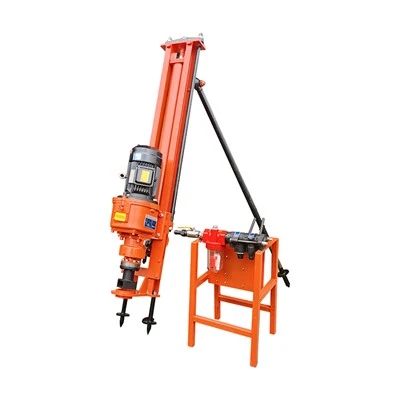
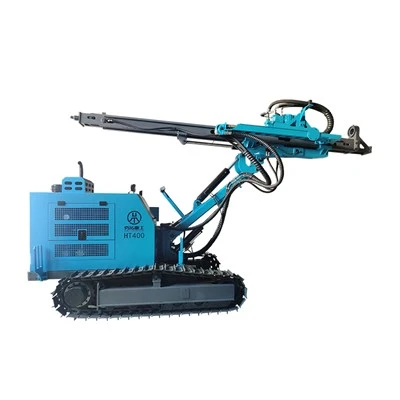
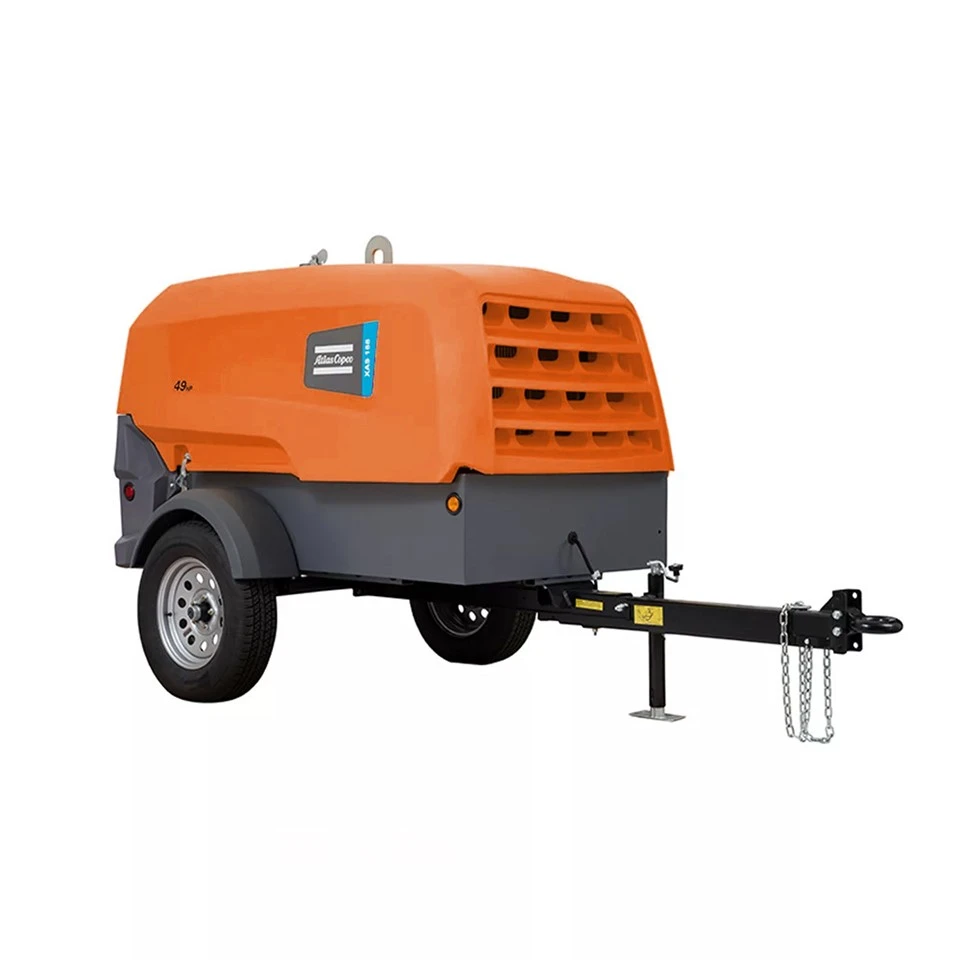
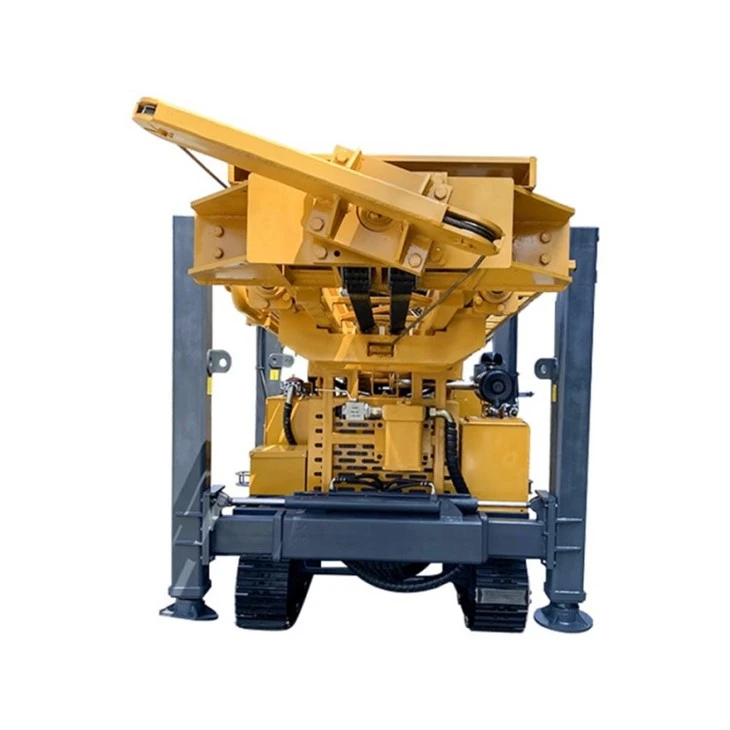
At our company, we offer a wide range of drilling rigs, including Mobile Small Towable Compressors, deep well drilling rig, and Down The Hole Drilling Rig. Our drilling rigs are equipped with high-quality mud gas separators that are designed to provide reliable and efficient gas separation.
We understand the importance of having a properly functioning mud gas separator on your drilling rig, and we are committed to providing our customers with the best possible products and services. Our team of experts can help you choose the right drilling rig and mud gas separator for your specific needs, and we offer comprehensive after-sales support to ensure that your equipment operates at its best.
Contact Us for Procurement and洽谈
If you're in the market for a drilling rig or need to replace your existing mud gas separator, we'd love to hear from you. Our team of sales professionals is ready to answer any questions you may have and help you find the right solution for your needs. Whether you're a small independent operator or a large multinational company, we have the expertise and resources to meet your requirements.
So, don't hesitate to reach out to us. We're here to help you take your drilling operations to the next level.
References
- API RP 53, Recommended Practice for Drilling Well Control.
- Bourgoyne, A. T., et al. Applied Drilling Engineering. Society of Petroleum Engineers, 1986.
- Mitchell, R. F., & Miska, S. Drilling Engineering. Schlumberger, 2000.