Let's take a deep dive into one cool tool used on drilling rigs: the roller cone bit. I'm from a drilling rig supplier, and I've seen firsthand how these bits work wonders. These roller cone bits are like the unsung heroes of the drilling world, doing the dirty work of cutting through all kinds of rocks.
What is a Roller Cone Bit?
First off, what even is a roller cone bit? It's a type of drill bit, and it's got these cone - shaped things on it. Usually, there are two or three cones, but sometimes you can find ones with four. These cones are mounted on bearings so they can spin freely. The cones are covered with teeth, which can be made of different materials like steel or tungsten carbide.
How Does It Work?
The Basics
When you start a drilling operation, the roller cone bit is attached to the end of the drill string. The drill string is basically a long series of pipes that connect the bit to the drilling rig at the surface. The rig provides the power to turn the drill string, and as the string turns, the roller cone bit rotates too.
As the bit rotates, the cones on it roll along the bottom of the hole. The teeth on the cones dig into the rock. It's like using a cheese grater on a big block of cheese, but instead of cheese, it's hard - as - nails rock.
Crushing and Shearing
There are two main ways that a roller cone bit breaks the rock: crushing and shearing.
When the weight is applied from the drill string onto the bit, the teeth on the cones press down hard on the rock. This creates a lot of pressure at the points where the teeth touch the rock, and it causes the rock to crack and break into small pieces. This is the crushing action.
At the same time, as the cones roll, the teeth also slide across the surface of the rock. This sliding motion creates a shearing force that helps to break off more pieces of the rock. It's a combination of these two actions - crushing and shearing - that allows the roller cone bit to bore through the rock efficiently.
Jetting Action
Another important part of how a roller cone bit works is the jetting action. There are nozzles on the bit that squirt drilling fluid down onto the bottom of the hole. This fluid is usually a mixture of water, mud, and other chemicals.
The jetting action has several purposes. First, it helps to cool the bit. Drilling generates a lot of heat, and if the bit gets too hot, it can wear out quickly. The fluid also helps to clean the bottom of the hole by flushing away the rock cuttings. If the cuttings are left at the bottom of the hole, they can get in the way of the bit and slow down the drilling process.
Types of Roller Cone Bits
Steel Tooth Bits
Steel tooth bits are great for softer rocks. The teeth on these bits are made of steel, and they're designed to be self - sharpening. As the bit wears down, new teeth are exposed, which helps to keep the bit cutting effectively. These bits are often used in oil and gas drilling when the rock formations are relatively soft.
Tungsten Carbide Insert (TCI) Bits
TCI bits are used for harder rocks. Instead of steel teeth, they have inserts made of tungsten carbide. Tungsten carbide is extremely hard and wear - resistant, which makes these bits perfect for drilling through hard formations like granite and limestone.
Our Drilling Rigs and Roller Cone Bits
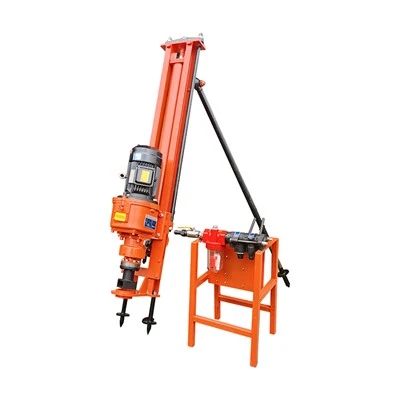
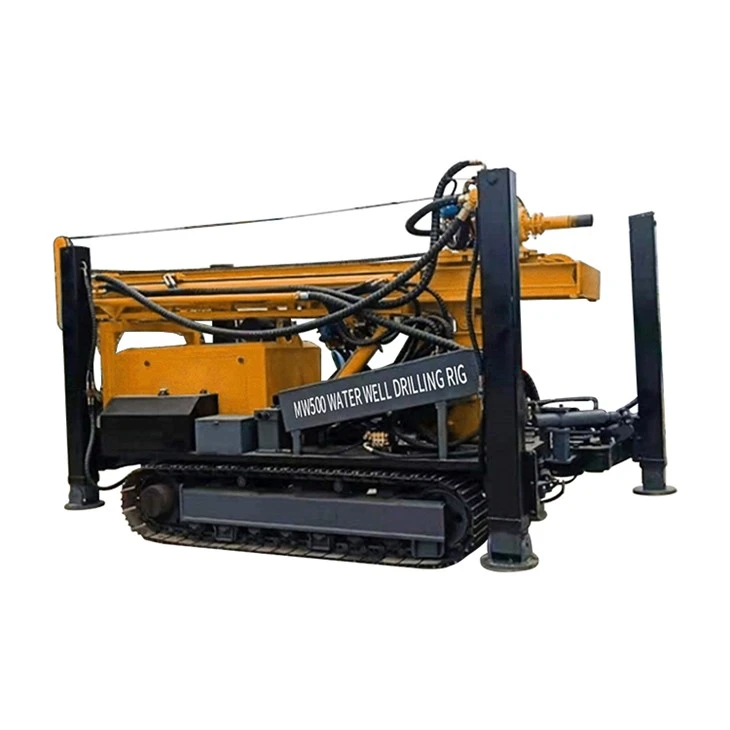
As a drilling rig supplier, we offer a range of drilling rigs that work perfectly with roller cone bits. For example, our Hydraulic Crawler water well drilling rig is a great option for water well drilling. It provides the right amount of power and torque to turn the drill string with a roller cone bit, even in challenging soil and rock conditions.
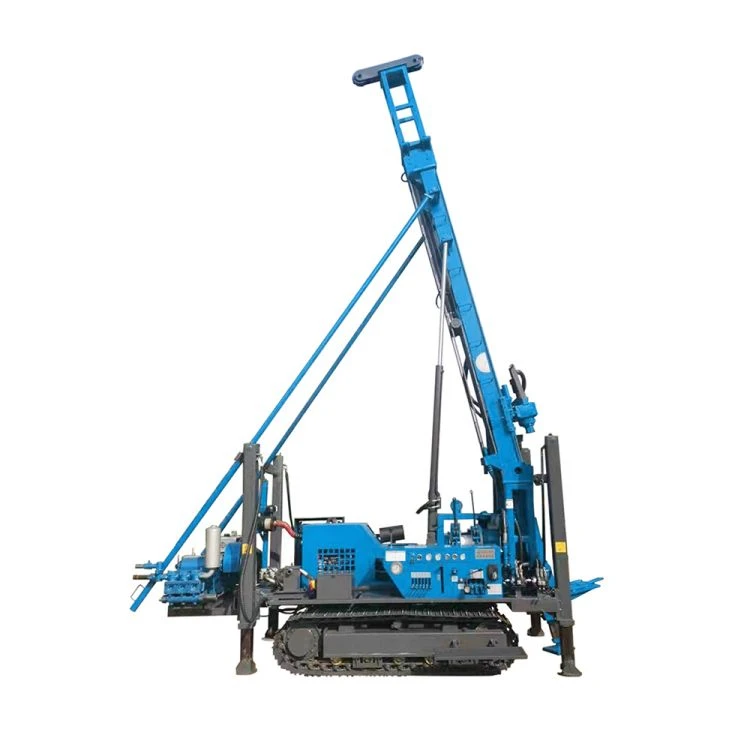
Our Geological Exploration machine is another piece of equipment where roller cone bits are crucial. When doing geological exploration, you need to be able to drill through different types of rocks to get core samples. The roller cone bit, with its ability to work in various rock formations, is the go - to tool for this machine.
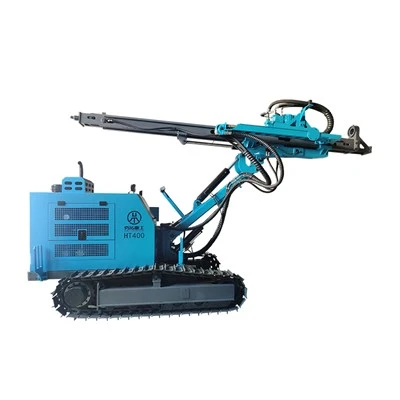
And then there's our Down The Hole Drill Rig. This rig is made for deep drilling, and it demands high - performance drill bits. Roller cone bits are up to the task, as they can maintain their cutting efficiency even at great depths.
Factors Affecting the Performance of Roller Cone Bits
Rock Type
As I mentioned earlier, different types of rocks require different types of roller cone bits. Soft rocks are easier to drill through, so you can use a steel tooth bit. Hard rocks, on the other hand, need a TCI bit. If you try to use the wrong type of bit, you'll end up with a lot of problems. The bit will wear out quickly, and the drilling progress will be really slow.
Weight on Bit (WOB)
The weight on the bit is crucial. If you don't apply enough weight, the teeth won't be able to penetrate the rock effectively. But if you apply too much weight, the bit can become overloaded, and it might get damaged. You need to find the right balance depending on the type of rock and the bit you're using.
Rotation Speed
The speed at which the drill string rotates also affects the performance of the roller cone bit. A higher rotation speed can increase the drilling rate, but it can also cause more wear on the bit. On the other hand, a lower rotation speed might reduce wear, but it will slow down the drilling process. You have to find the optimal rotation speed for each drilling job.
Why Choose Us as Your Drilling Rig Supplier?
We understand the importance of having the right equipment for the job. Our drilling rigs are built to last, and they're compatible with high - quality roller cone bits. Whether you're drilling for water, doing geological exploration, or going deep down for oil and gas, we've got the rig for you.
If you're interested in our products, feel free to reach out for a detailed discussion. We're here to help you understand which drilling rig and roller cone bit combination will work best for your specific project. Don't hesitate to contact us to start the conversation about your drilling needs.
References
- "Drilling Engineering Handbook"
- "Oilfield Equipment and Systems"
- "Rock Mechanics Principles in Drilling"