A casing elevator is a crucial piece of equipment on a drilling rig, playing an integral role in the casing running process. As a well - established drilling rig supplier, I'm here to expand on how this equipment works and its significance in the overall drilling operation.
Basic Concept of a Casing Elevator
A casing elevator is a mechanical device designed to grip and lift the casing pipes during the well - casing installation process. Casing pipes are large - diameter steel pipes that are inserted into a drilled wellbore. Their primary functions include protecting the wellbore from caving in, isolating different geological formations, and providing a conduit for fluid flow during the drilling and production phases.
Structural Components
The structure of a casing elevator consists of several key parts. The main body is usually made of high - strength steel to withstand the heavy loads of the casing strings. There are two main jaws or segments that are used to clamp around the casing pipe. These jaws are shaped to fit snugly on the casing, typically with serrated edges to prevent slippage. The hinge mechanism allows the jaws to open and close, enabling easy installation and removal of the casing pipe. Additionally, there are linkages and a locking system that secure the jaws in place once they are closed around the pipe.
Working Mechanism
Preparation
Before the casing elevator can be used, the drilling rig crew first makes sure that the wellbore is prepared for the casing installation. This involves ensuring that the wellbore has been drilled to the proper depth and that it is of the correct diameter. The casing pipes are also inspected to ensure their quality and integrity.
The casing elevator is then selected based on the size and weight of the casing pipes. Different elevators are designed for different pipe diameters and load - bearing capacities. Once the appropriate elevator is chosen, it is lifted and positioned by the drilling rig's hoisting system, which usually consists of a derrick, traveling block, and drawworks.
Engaging the Casing
The jaws of the casing elevator are opened wide, and the top end of a single length of casing pipe is maneuvered into the space between the jaws. The crew carefully aligns the pipe with the center of the elevator to ensure even distribution of the load. Once properly positioned, hydraulic or mechanical mechanisms are used to close the jaws around the casing pipe. As the jaws close, the serrated edges bite into the pipe's surface, creating a firm grip.
Lifting and Lowering
After the casing elevator has securely grasped the casing pipe, the drawworks on the drilling rig are activated. The cables on the drawworks are wound or unwound, causing the traveling block (to which the elevator is attached) to move up or down. When lifting, the elevator transfers the weight of the casing pipe from the ground or the previous casing joint to the hoisting system. This allows the pipe to be raised off the ground and maneuvered towards the wellbore.
When lowering the casing into the wellbore, the drawworks are controlled to gradually release the cable, lowering the elevator and the attached casing in a controlled manner. As each new casing joint is added, the same process is repeated. The new joint is lifted, its end is carefully aligned with the top of the previously installed casing, and then they are connected using threaded couplings.
Safety Checks and Monitoring
Throughout the operation, the crew constantly monitors the load on the elevator and the position of the casing in the wellbore. Safety devices such as torque sensors and load monitors are used to ensure that the elevator is not overloaded. Any signs of slippage or abnormal loading are immediately addressed. If there are issues with the grip of the elevator, the crew may adjust the locking system or make sure that the jaws are fully engaged with the casing pipe.
Advantages of Using a Casing Elevator
The use of a casing elevator brings several advantages to the drilling operation. Firstly, it greatly reduces the physical labor required to lift and install the casing pipes. Without an elevator, workers would have to use dangerous and labor - intensive methods to handle the heavy pipes.
Secondly, it enhances safety. The locking mechanisms and secure grip of the elevator minimize the risk of the casing pipe falling during the lifting and lowering process. This protects the crew from potential accidents and also prevents damage to the wellbore and the casing itself.
Role in Overall Drilling Process
The casing elevator is a critical element in ensuring the success of a drilling project. A proper casing installation is essential for the long - term stability and functionality of the well. By facilitating the smooth and efficient installation of casing pipes, the elevator helps to maintain the integrity of the wellbore. This, in turn, is necessary for activities such as well completion, where fluids are often injected into or produced from the well.
Compatibility with Different Types of Drilling Rigs
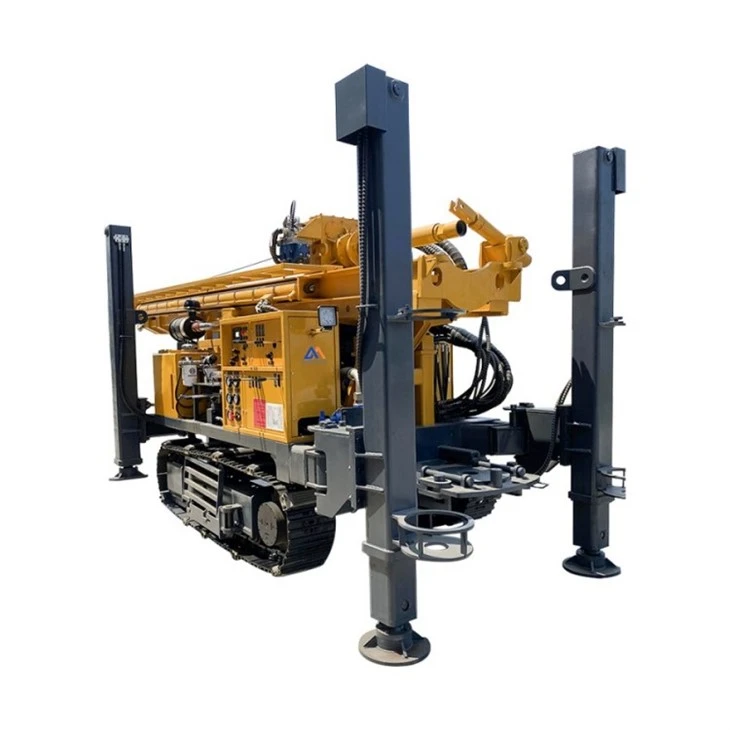
Casing elevators are designed to be compatible with various types of drilling rigs, and they are a versatile addition to rig operations. For instance, in a deep well drilling rig, which is used for reaching great depths, the elevator must be able to handle the extremely long and heavy casing strings. Its robust design and high - load capacity allow it to work in tandem with the deep - well rig's powerful hoisting system.
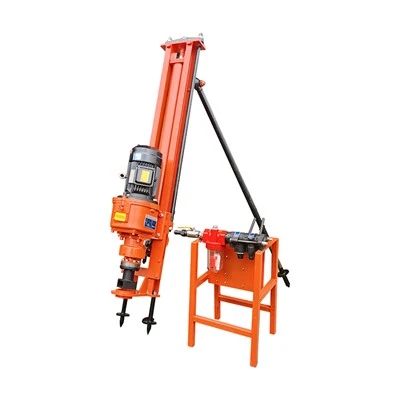
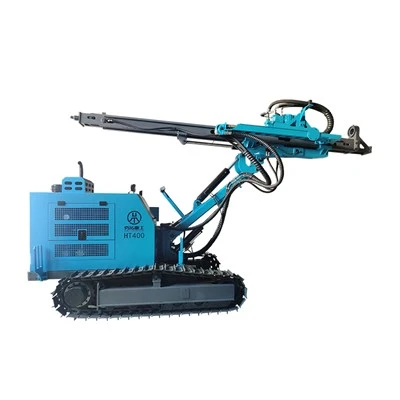
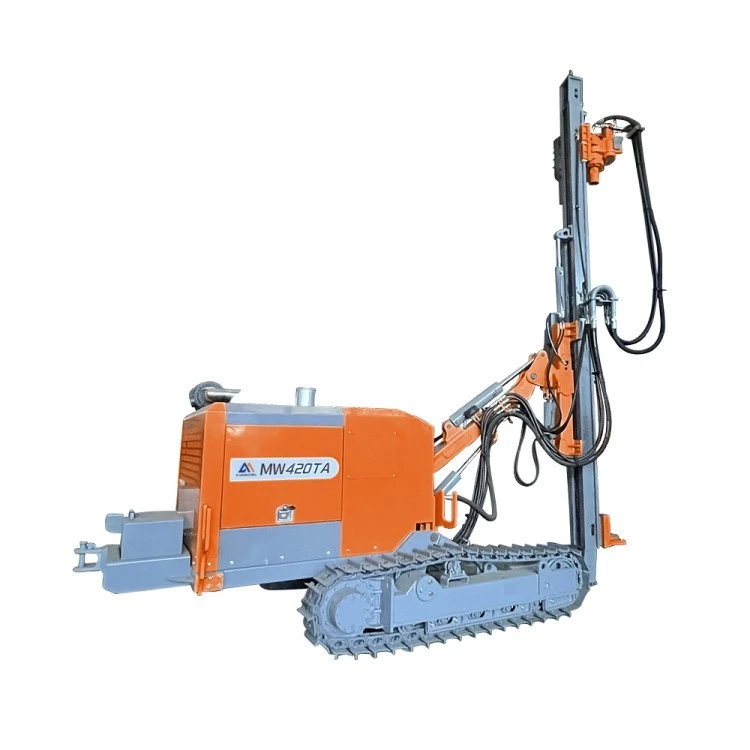
In the case of a dth drilling rig used in open - pit mines or surface drilling operations, the casing elevator can quickly and efficiently load and unload casing pipes, ensuring rapid progress in the drilling process. The Down The Hole Drilling Rig also benefits from the use of a casing elevator, which simplifies the casing installation process in hard - rock and mining applications.
Maintenance and Inspection
To ensure the reliable performance of the casing elevator, regular maintenance and inspection are essential. The mechanical components, such as the jaws, linkages, and locking system, are lubricated to prevent corrosion and ensure smooth operation. The hydraulic systems, if present, are checked for leaks and proper pressure.
Inspections are also carried out to look for signs of wear and tear. Any damaged parts, such as cracked jaws or malfunctioning locking mechanisms, are replaced immediately. By maintaining the elevator in good condition, the drilling rig crew can avoid unexpected downtime and ensure the safety of the casing - running operation.
As a trusted drilling rig supplier, we offer a wide range of high - quality casing elevators that are designed to meet the diverse needs of our customers. Whether you are working on a small - scale water well project or a large - scale oil and gas drilling operation, our elevators are engineered for optimum performance and durability.
If you are interested in enhancing your drilling operations with our top - notch casing elevators and other drilling equipment, we invite you to contact us for a purchasing consultation. Our team of experts is ready to provide you with detailed information about our products and help you select the best solutions for your specific requirements.
References
- API Spec 8C, Specification for Drilling and Production Hoisting Equipment, American Petroleum Institute.
- Bourgoyne, A. T., et al. "Applied Drilling Engineering." Society of Petroleum Engineers, 1986.
- Maloney, J. T. "Drilling Engineering Handbook." PennWell Books, 2004.