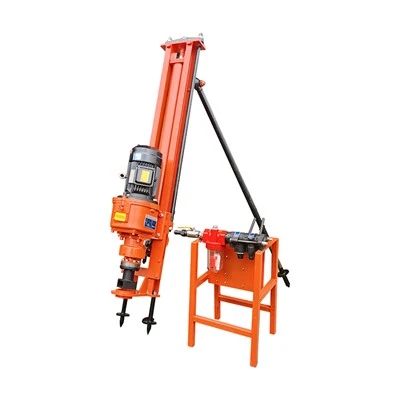
Hey there! As a supplier of pneumatic air leg rock drills, I often get asked about the maintenance cost of these bad boys. So, in this blog, I'm gonna break down what you need to know.
First off, let's understand what a pneumatic air leg rock drill is. It's a powerful tool used in mining, construction, and other industries to drill holes into rocks. It works by using compressed air to power the drill bit. But, like any piece of equipment, it needs regular maintenance to keep it running smoothly and efficiently.
Components Affected by Maintenance
Drill Bit
The drill bit is one of the most crucial parts of the pneumatic air leg rock drill. Over time, it wears down due to the constant friction with the rock. The cost of replacing a drill bit can vary depending on the size, type, and quality. High - quality drill bits can cost anywhere from $50 to $200 each. You might need to replace them every few hours of continuous use, depending on the hardness of the rock. For instance, if you're drilling into really tough granite, the drill bit will wear out faster compared to softer limestone.
Air Motor
The air motor is what powers the drill. It's a complex component that needs regular attention. The main maintenance cost here comes from lubrication and occasional replacement of seals and bearings. You should lubricate the air motor frequently to prevent it from overheating and wearing out. Lubricating oil can cost around $20 - $30 per liter, and you'll use about half a liter every month for normal usage. Seals and bearings replacement might cost around $100 - $300, and you might need to do this once or twice a year, depending on how often you use the drill.
Air Leg
The air leg provides support and stability to the drill. It has its own set of pistons, seals, and hoses that need maintenance. Hoses can get damaged from abrasion or high - pressure air leaks. A new air leg hose can cost around $50 - $100. Replacements of pistons and seals in the air leg might cost around $150 - $250, and these are usually required every 6 - 12 months.
Control Valves
Control valves regulate the flow of compressed air to the drill. They can get clogged with dirt and debris over time, which affects the performance of the drill. Cleaning the control valves is a relatively inexpensive maintenance task, but if they need to be replaced, a new control valve can cost around $80 - $150. You'll probably need to replace them once every 1 - 2 years.
Calculating the Total Maintenance Cost
Let's assume you're using the pneumatic air leg rock drill for about 200 hours a month. Based on the above components and their replacement intervals:
- Drill bits: If you replace a drill bit every 10 hours (for tough rock), you'll need 20 drill bits a month. At an average cost of $100 per bit, that's $2000 per month.
- Air motor lubrication: Using half a liter of lubricating oil at $25 per liter, that's $12.5 per month. Seal and bearing replacement once a year at $200 translates to about $17 per month.
- Air leg: Hose replacement every 6 months at $75 means about $13 per month. Piston and seal replacement once a year at $200 is about $17 per month.
- Control valve: Replacement once every 2 years at $120 means about $5 per month.
Adding it all up, the total monthly maintenance cost for this usage scenario is approximately $2064.


Tips to Reduce Maintenance Costs
- Regular Cleaning: Clean the drill after every use. Use compressed air to blow out any dust or debris from the components. This simple step can prevent a lot of wear and tear.
- Proper Storage: Store the drill in a dry and clean place. Exposure to moisture can cause rust and corrosion, which will increase maintenance costs.
- Training: Make sure your operators are properly trained. Incorrect usage can cause unnecessary damage to the drill.
Related Products
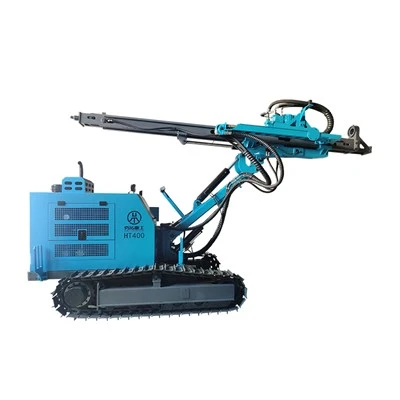
If you're looking for other types of rock - drilling equipment, we also offer small down the hole drilling, hand held rock drilling equipment, and mini pneumatic drill. These products also have their own maintenance requirements, but they can be great options for different types of projects.
Conclusion
So, as you can see, the maintenance cost of a pneumatic air leg rock drill depends on various factors such as usage, rock hardness, and the quality of the components. But with proper maintenance and care, you can keep these costs in check and get the most out of your drill.
If you're interested in purchasing a pneumatic air leg rock drill or have any questions about maintenance or our other products, feel free to get in touch with us for a friendly chat and to discuss your specific needs. We're here to help you find the best solution for your projects.
References:
- Industry knowledge and experience in pneumatic air leg rock drill supply.
- Manufacturer's manuals and specifications for pneumatic air leg rock drills.