Hey there! As a piston compressor supplier, I get asked all the time, "How do I choose the right piston compressor for my application?" Well, you've come to the right place. In this blog post, I'm going to break down the key factors you need to consider when selecting a piston compressor that fits your specific needs.
Understanding Your Application
First things first, you need to have a clear understanding of what you'll be using the piston compressor for. Different applications have different requirements, and that's going to play a huge role in your decision-making process.
Let's say you're in the construction industry. You might need a compressor that can handle heavy-duty tasks like powering pneumatic tools on a job site. In this case, you'll want a compressor with a high air delivery rate and enough power to keep up with the demand.
On the other hand, if you're a small business owner running a workshop, you might only need a compressor for light-duty tasks like inflating tires or powering small airbrushes. A smaller, more compact compressor would be a better fit for this type of application.
Key Factors to Consider
Now that you have a better idea of your application, let's dive into the key factors you should consider when choosing a piston compressor.
Air Pressure and Flow Rate
One of the most important factors to consider is the air pressure and flow rate your application requires. Air pressure is measured in pounds per square inch (PSI), and flow rate is measured in cubic feet per minute (CFM).
You'll need to determine the minimum PSI and CFM requirements for your tools or equipment. For example, if you're using a pneumatic nail gun, it might require a minimum of 90 PSI and 2 CFM to operate effectively. Make sure the compressor you choose can deliver at least these minimum requirements.
It's also a good idea to choose a compressor with a slightly higher PSI and CFM rating than your actual requirements. This will give you some extra capacity in case you need to use multiple tools simultaneously or if your tools require a higher air flow rate under certain conditions.
Duty Cycle
The duty cycle of a compressor refers to the amount of time it can run continuously before it needs to rest. It's usually expressed as a percentage. For example, a compressor with a 50% duty cycle can run for 30 minutes out of every hour and then needs to rest for the remaining 30 minutes.
If you have a high-demand application that requires the compressor to run continuously for long periods of time, you'll want to choose a compressor with a high duty cycle. On the other hand, if your application only requires the compressor to run intermittently, a lower duty cycle compressor might be sufficient.
Tank Size
The tank size of a compressor determines how much compressed air it can store. A larger tank means the compressor can store more air, which can be useful if you need to use your tools for extended periods without the compressor having to run constantly.
However, a larger tank also means the compressor will be heavier and take up more space. So, you'll need to balance your need for air storage with the practicality of the compressor's size and weight.
Power Source
Piston compressors can be powered by electricity, gasoline, or diesel. The power source you choose will depend on your specific application and the availability of power at your location.
Electric compressors are generally quieter and more energy-efficient than gasoline or diesel compressors. They're also a good choice if you're using the compressor indoors or in an area where emissions are a concern.
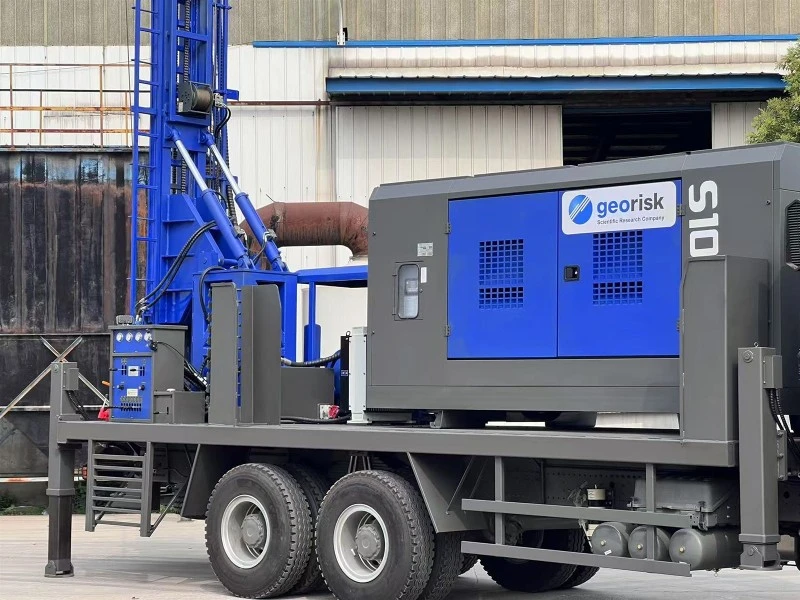
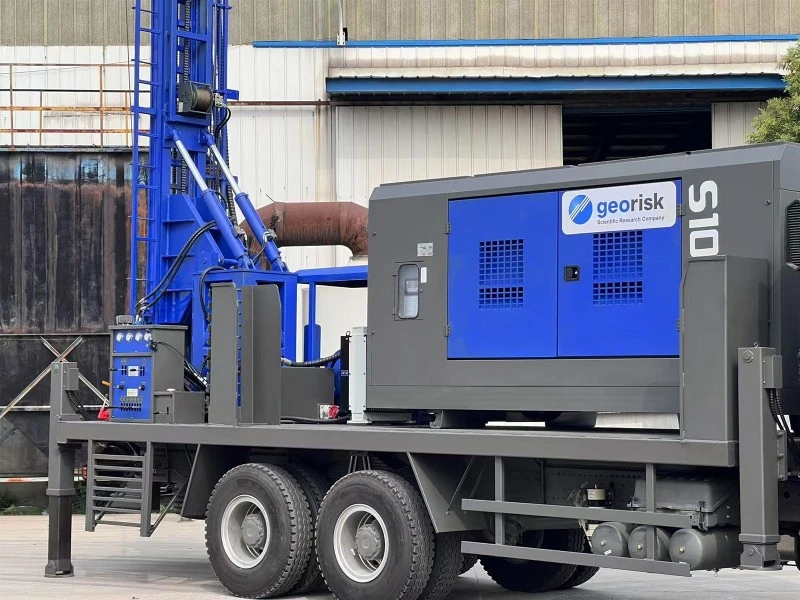
Gasoline and diesel compressors, on the other hand, are more portable and can be used in remote locations where electricity is not available. They're also more powerful than electric compressors, which makes them a good choice for heavy-duty applications.
Noise Level
If you're using the compressor in a residential area or a noise-sensitive environment, you'll want to choose a compressor with a low noise level. Compressors can be quite noisy, especially when they're running at full capacity.
Look for compressors that are specifically designed to be quiet. They usually have features like sound insulation and vibration dampening to reduce noise levels.
Types of Piston Compressors
There are several types of piston compressors available on the market, each with its own advantages and disadvantages. Let's take a look at some of the most common types.
Single-Stage Piston Compressors
Single-stage piston compressors are the most basic type of piston compressor. They have one piston that compresses the air in a single stroke. These compressors are typically smaller and less expensive than multi-stage compressors, but they also have a lower maximum pressure rating.
Single-stage compressors are a good choice for light-duty applications like inflating tires, powering small air tools, and operating airbrushes.
Two-Stage Piston Compressors
Two-stage piston compressors have two pistons that compress the air in two stages. The first piston compresses the air to an intermediate pressure, and then the second piston further compresses the air to a higher pressure.
Two-stage compressors are more powerful and efficient than single-stage compressors. They can deliver higher pressures and are better suited for heavy-duty applications like powering large pneumatic tools and operating industrial equipment.
Small Mobile Piston Air Compressor
If you need a compressor that's portable and easy to move around, a Small Mobile Piston Air Compressor might be the right choice for you. These compressors are typically powered by gasoline or diesel and are designed to be used in remote locations or on job sites.
They're usually smaller and lighter than stationary compressors, but they still have enough power to handle a variety of tasks. Whether you're inflating tires on a construction site or powering a small air tool in the field, a small mobile piston air compressor can get the job done.
Making Your Decision
Now that you have a better understanding of the key factors to consider and the different types of piston compressors available, it's time to make your decision. Here are some tips to help you choose the right compressor for your application:
- Do your research: Read reviews and compare different models to find the compressor that best meets your needs and budget.
- Consider your future needs: If you think you might need to expand your operations or use more powerful tools in the future, it might be a good idea to choose a compressor with some extra capacity.
- Get expert advice: If you're still not sure which compressor is right for you, don't hesitate to reach out to a professional. As a piston compressor supplier, I'm always happy to help you find the perfect compressor for your application.
Contact Us for Procurement and Negotiation
If you're interested in purchasing a piston compressor, I'd love to hear from you. We offer a wide range of high-quality piston compressors at competitive prices. Whether you need a small mobile compressor for light-duty tasks or a large industrial compressor for heavy-duty applications, we have the right solution for you.
Don't hesitate to contact us to discuss your specific requirements and get a quote. Our team of experts will work with you to find the perfect compressor for your needs and help you with the procurement process.
References
- Compressed Air and Gas Institute (CAGI). (2023). Compressor Handbook.
- ASME. (2023). Pressure Vessel and Piping Codes.
- Manufacturer's product manuals and specifications.