Can a core drilling rig be used in offshore drilling? This is a question that often arises in the exploration and extraction industries. As a core drilling rig supplier, I've had numerous discussions with clients about the feasibility and practicality of using core drilling rigs in offshore environments. In this blog, I'll delve into the details of whether core drilling rigs can be employed in offshore drilling, exploring their capabilities, limitations, and the factors to consider.
Understanding Core Drilling Rigs
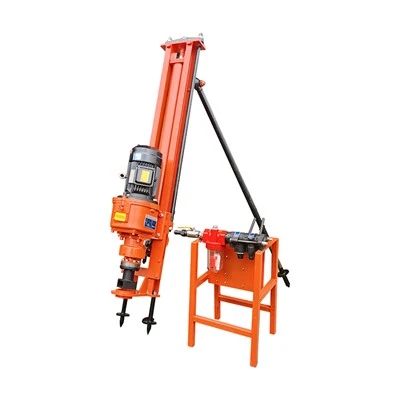
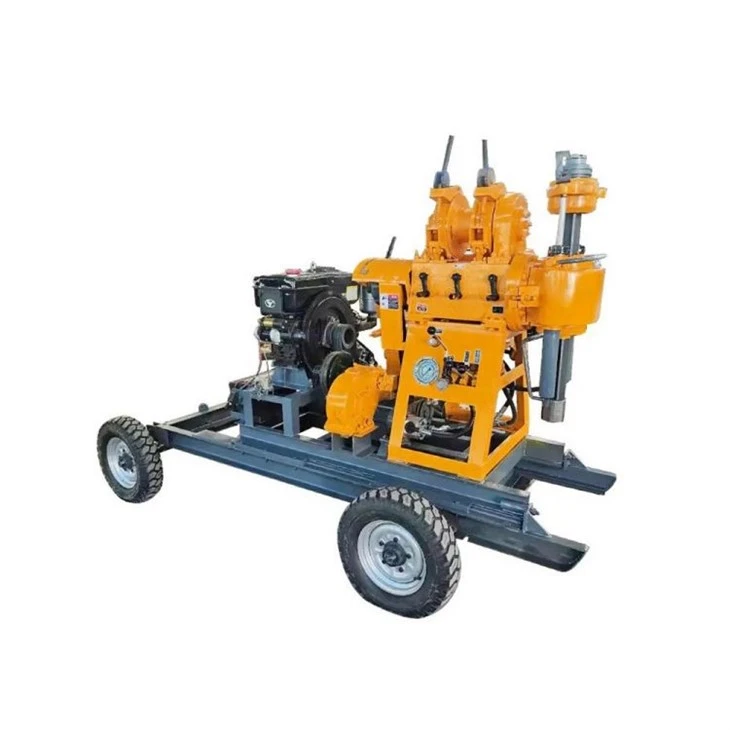
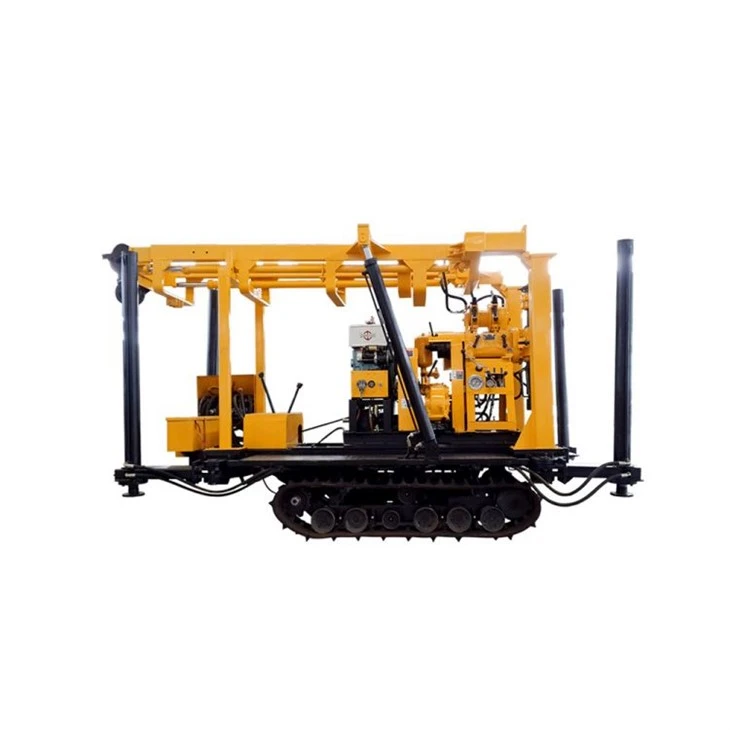
Before we discuss their applicability in offshore settings, let's first understand what core drilling rigs are. A Core Drilling Rig is a specialized piece of equipment designed to extract cylindrical samples, known as cores, from the subsurface. These cores provide valuable information about the geological composition, rock properties, and potential mineral or hydrocarbon deposits. Core drilling rigs come in various sizes and configurations, ranging from small, Portable Core Drilling Rig suitable for shallow drilling to large, heavy - duty rigs capable of reaching great depths.
Advantages of Using Core Drilling Rigs in Offshore Drilling
One of the primary advantages of using core drilling rigs in offshore drilling is the high - quality data they can provide. Cores obtained from offshore drilling can offer detailed insights into the subsurface geology, including the presence of oil and gas reservoirs, the characteristics of the rock formations, and the potential for fluid flow. This information is crucial for accurate resource assessment and reservoir modeling, which are essential steps in the exploration and development of offshore oil and gas fields.
Core drilling rigs can also be more precise compared to other drilling methods. They can target specific geological horizons or structures, allowing for a more focused exploration approach. This precision can reduce the risk of drilling in unproductive areas and increase the chances of discovering commercially viable resources.
Another benefit is the ability to preserve the integrity of the core samples. Unlike some other drilling techniques that may crush or distort the rock, core drilling rigs extract intact cylindrical samples. These samples can be analyzed in the laboratory to determine properties such as porosity, permeability, and lithology, which are vital for understanding the reservoir's potential.
Challenges and Limitations
However, using core drilling rigs in offshore environments also presents several challenges. One of the most significant challenges is the harsh offshore conditions. The rigs need to withstand strong winds, high waves, and corrosive saltwater. Specialized design and construction are required to ensure the rig's stability and durability in these conditions. For example, the rig's structure needs to be reinforced to resist the forces exerted by the waves, and all exposed components need to be made of corrosion - resistant materials.
The logistics of operating a core drilling rig offshore are also complex. Transporting the rig, equipment, and personnel to the offshore location can be expensive and time - consuming. Additionally, the rig needs to be properly installed and maintained on the offshore platform or vessel. Any downtime due to equipment failure or maintenance issues can be costly, as it can disrupt the drilling schedule and delay the exploration process.
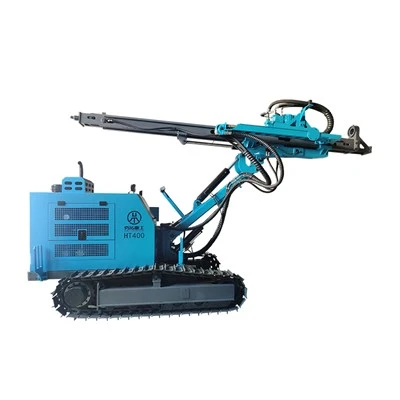
Another limitation is the relatively slow drilling speed of core drilling rigs compared to some other types of drilling rigs, such as Reverse Circulation Drilling Rig. In offshore drilling, where time is often of the essence, the slower drilling speed can increase the overall cost of the project.
Factors to Consider
When deciding whether to use a core drilling rig in offshore drilling, several factors need to be considered. The first factor is the purpose of the drilling. If the primary goal is to obtain detailed geological information for resource assessment, a core drilling rig may be the best choice. However, if the goal is to quickly drill a large number of wells to test the extent of a potential reservoir, a faster - drilling rig may be more appropriate.
The water depth is another crucial factor. In shallow waters, it may be easier to operate a core drilling rig, as the rig can be installed on a fixed platform or a barge. In deeper waters, floating drilling vessels or semi - submersibles may be required, which adds to the complexity and cost of the operation.
The geological conditions of the target area also play a role. If the rock formations are hard and abrasive, the core drilling rig needs to be equipped with appropriate drill bits and cutting tools to ensure efficient drilling. Additionally, the presence of faults, fractures, or unstable formations can pose challenges to core drilling and may require special drilling techniques or equipment.
Adaptations for Offshore Use
To overcome the challenges of using core drilling rigs in offshore environments, several adaptations can be made. The rigs can be designed with a more robust structure to withstand the harsh offshore conditions. For example, the base of the rig can be reinforced to provide better stability on a floating platform, and the mast can be designed to resist high winds.
Corrosion protection is also essential. All metal components of the rig can be coated with anti - corrosion paints or materials, and sacrificial anodes can be installed to protect against galvanic corrosion.
Automation and remote monitoring systems can be incorporated into the rig to improve efficiency and safety. These systems can allow operators to control the drilling process from onshore, reducing the need for personnel to be on the offshore platform at all times. They can also monitor the rig's performance in real - time, enabling early detection of potential problems and timely maintenance.
Conclusion
In conclusion, a core drilling rig can be used in offshore drilling, but it comes with both advantages and challenges. The high - quality data and precision offered by core drilling rigs make them a valuable tool for offshore resource exploration. However, the harsh offshore conditions, complex logistics, and relatively slow drilling speed need to be carefully considered.
As a core drilling rig supplier, we understand the unique requirements of offshore drilling and can provide customized solutions to meet your needs. Whether you are exploring a new offshore field or conducting detailed reservoir characterization, our range of core drilling rigs can be adapted to suit your specific project.
If you are interested in learning more about our core drilling rigs and their suitability for your offshore drilling project, we invite you to contact us for a detailed discussion. Our team of experts is ready to assist you in making the right decision for your exploration and extraction needs.
References
- API RP 16E. Recommended Practice for Design, Selection, Operation, and Maintenance of Drilling Rig Equipment.
- ISO 13531. Petroleum and natural gas industries – Drilling and production equipment – Drilling rigs.
- SPE Journal articles on offshore drilling techniques and equipment.