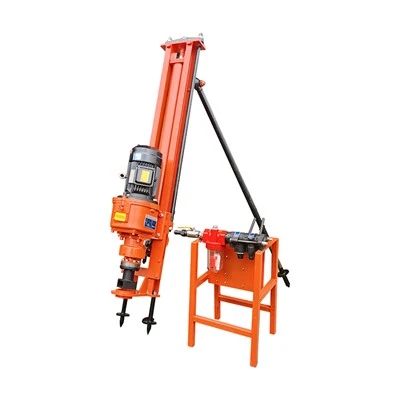
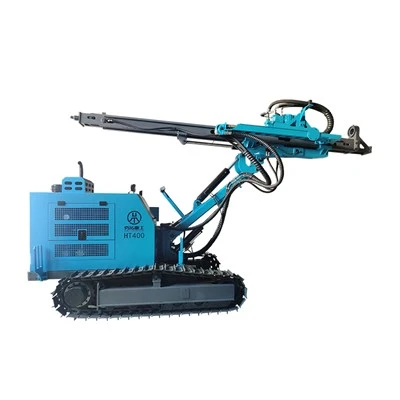
Transporting an air rock drill requires careful planning and execution to ensure the equipment arrives at its destination in optimal condition. As a supplier of air rock drills, I understand the importance of safe and efficient transportation. In this blog post, I'll share some key considerations and best practices for transporting air rock drills.
Pre - transport Preparation
Before moving an air rock drill, a thorough inspection is essential. Check for any loose parts, damage, or signs of wear and tear. Tighten all bolts and fasteners to prevent them from coming loose during transit. This step helps identify potential issues that could worsen during transportation and cause more significant problems later.
Drain all fluids from the air rock drill, including hydraulic oil and fuel if applicable. Fluids can leak during transportation, causing damage to the drill and potentially posing a safety hazard. Make sure to follow proper disposal procedures for the drained fluids according to local regulations.
For air rock drills with delicate components such as control panels or sensors, consider using protective covers. These covers can shield the components from dust, debris, and minor impacts during transit. For instance, a pneumatic air leg rock drill pneumatic air leg rock drill often has complex air - control systems that need protection.
Packaging
Proper packaging is crucial for protecting the air rock drill during transportation. Use high - quality crates or pallets made of sturdy materials such as wood or metal. The crate should be large enough to accommodate the drill with some extra space for padding.
Fill the extra space in the crate with shock - absorbing materials like foam, bubble wrap, or packing peanuts. These materials help cushion the drill against vibrations and impacts during transit. Secure the drill inside the crate using straps or ropes to prevent it from shifting.
Label the crate clearly with important information such as "Fragile", "This Side Up", and the drill's model and serial number. This makes it easier for handlers to handle the package correctly and helps in identifying the drill if needed.
Choosing the Right Transport Method
The choice of transport method depends on several factors, including the size and weight of the air rock drill, the distance of transportation, and the urgency of delivery.
Road Transport
For short - to medium - distance transportation, road transport is often the most convenient option. Trucks can be easily loaded and unloaded, and they offer flexibility in terms of delivery locations. However, it's important to choose a reliable trucking company with experience in transporting heavy equipment.
When using a truck, ensure that the drill is properly secured on the truck bed. Use tie - downs and braces to prevent the drill from moving during transit. Consider using a flatbed truck for larger air rock drills, as it provides more stability and easier loading and unloading.
Rail Transport
Rail transport is suitable for long - distance transportation of air rock drills. Trains can carry large and heavy loads more efficiently than trucks, and they are generally more environmentally friendly. However, rail transport may require additional handling at the origin and destination points.
When using rail transport, work with a freight forwarder who can arrange for proper loading and unloading at the rail terminals. Make sure the drill is loaded onto the railcar securely and that it is protected from the elements during the journey.
Sea Transport
If the air rock drill needs to be transported overseas, sea transport is the most common option. Container ships can carry large quantities of equipment, and they offer cost - effective solutions for long - distance transportation.
When shipping by sea, the drill should be packed in a shipping container. The container should be properly sealed and labeled. Work with a shipping agent who can handle all the necessary paperwork, including customs clearance.
Insurance
Regardless of the transport method chosen, it's important to obtain insurance for the air rock drill during transportation. Insurance can protect you from financial losses in case of damage, theft, or loss of the drill during transit.

When purchasing insurance, make sure to understand the terms and conditions of the policy. Ensure that the policy covers all potential risks associated with the transportation of the drill, including damage caused by accidents, natural disasters, and improper handling.
Handling at Destination
Once the air rock drill arrives at its destination, it's important to handle it carefully during unloading. Use appropriate lifting equipment such as cranes or forklifts, and follow all safety procedures.
After unloading, conduct another inspection of the drill to check for any damage that may have occurred during transportation. If any damage is found, document it thoroughly and contact the insurance company and the transport provider immediately.
Maintenance after Transport
After transportation, it's a good idea to perform some basic maintenance on the air rock drill. Check all the connections, lubricate moving parts, and test the drill to ensure that it is in proper working condition.
For example, a mini pneumatic drill mini pneumatic drill may require some adjustments to its air - pressure settings after being transported.
Special Considerations for Different Types of Air Rock Drills
Different types of air rock drills may have specific transportation requirements. For example, an Integrated Open - pit Down - the - hole Drill Rig Integrated Open - pit Down - the - hole Drill Rig is a large and complex piece of equipment that may need to be disassembled for transportation.
When disassembling the drill, make sure to label all the parts clearly and keep track of all the bolts and small components. Reassemble the drill carefully at the destination, following the manufacturer's instructions.
Conclusion
Transporting an air rock drill is a complex process that requires careful planning and attention to detail. By following the best practices outlined in this blog post, you can ensure that your air rock drill is transported safely and efficiently.
If you are in the market for high - quality air rock drills or need advice on transportation, we are here to help. Our team of experts can provide you with the best solutions for your drilling needs. Contact us today to start a discussion about your requirements and explore the possibilities of purchasing our top - notch air rock drills.
References
- General guidelines for heavy equipment transportation from industry standards.
- Manufacturer's manuals for air rock drills.
- Insurance industry knowledge on cargo insurance for equipment transportation.